Ireland - A Ferry Tale
By train and ferry to Newcastle, across Scotland to Belfast, then around Ireland’s wild and frequently wet west coast via Donegal, Sligo, Westport, Connemara, Galway, the Burren, Killarney, Cork, Waterford and Kilkenny to Dublin. Return by night ferry to Wales, through the Cotswolds, Oxford, Cambridge and Harwich, then via Hoek van Holland, Belgium and Aachen back towards home. A 2800 km ferry tale of rain windows, steep little roads, greenways, pub backyards, damp tents, rare sunshine and too many ferries to call it a simple bike tour.
Wed May 13 - my train - every time an adventure
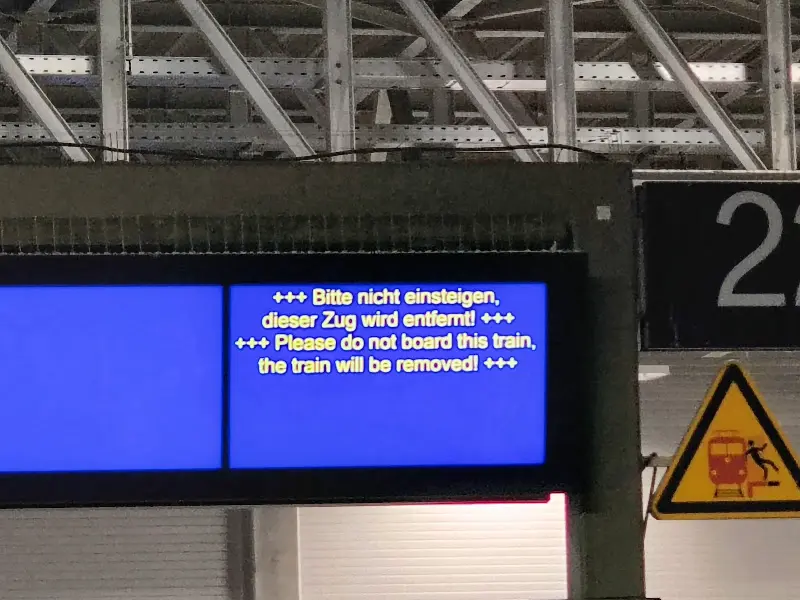
Start at 11.30pm in Munich Hbf, ICE train to Cologne, where I have a 2.5-hour layover to transfer to a train to Amsterdam. My luggage packed...
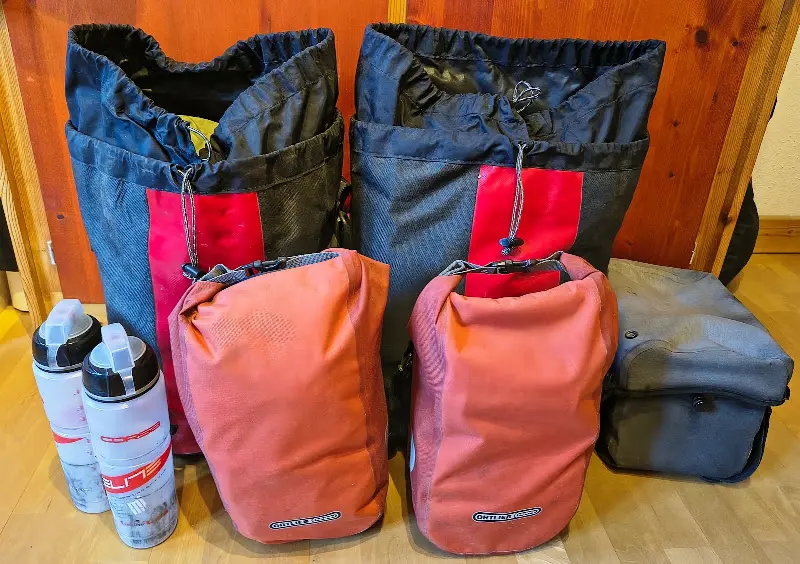
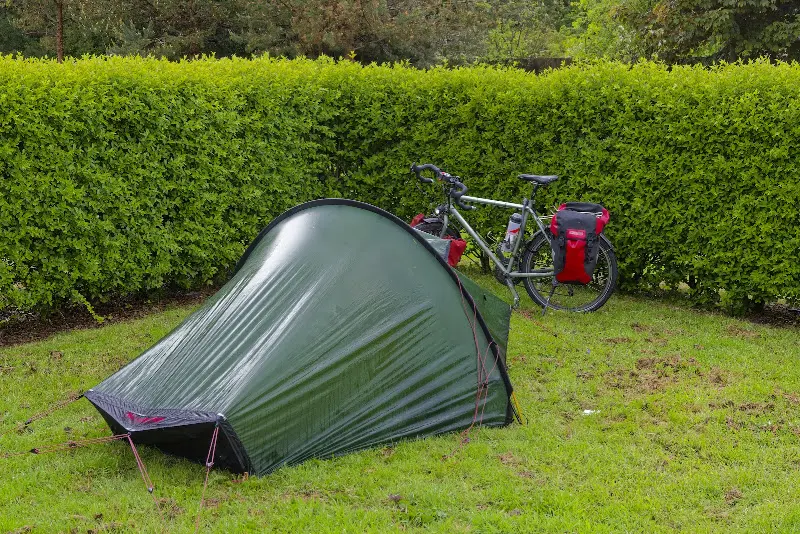
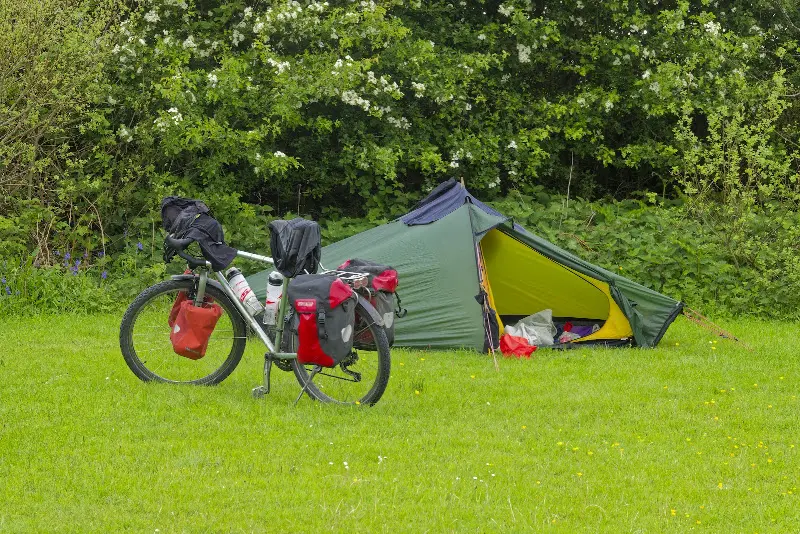
...and here bike and tent for the trip.
Thu May 14 - first Ferry
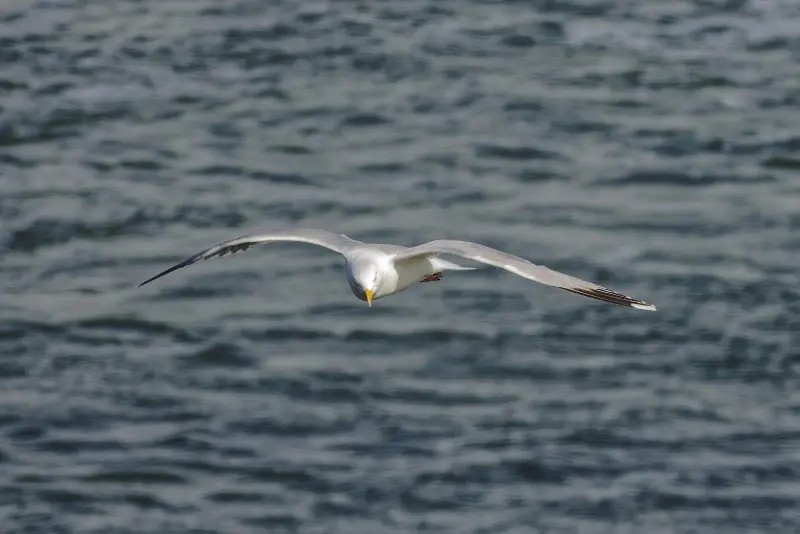
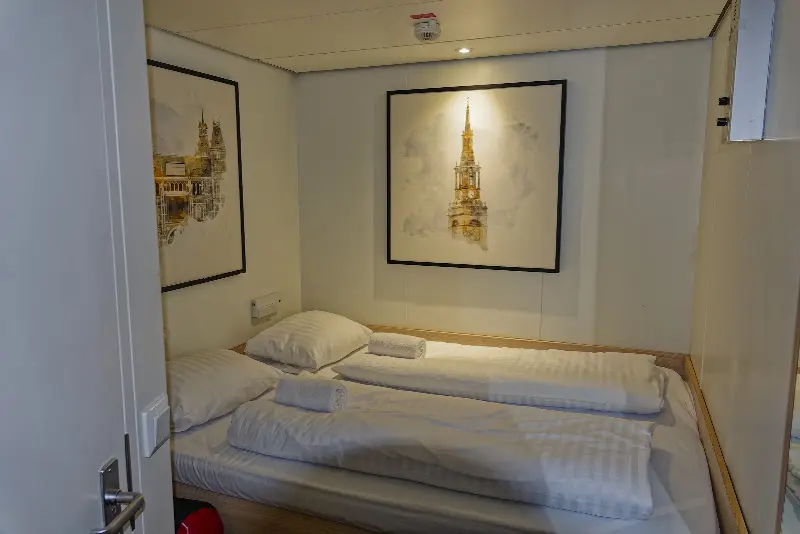
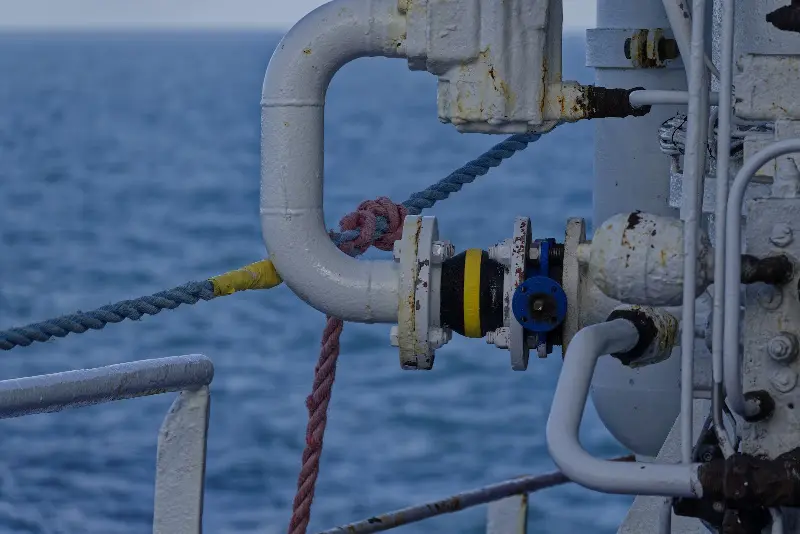
The trains were on time, and I reached the ferry at about 2 p.m. I have never had to wait so long for boarding. Until midnight the weather was calm, but then strong winds and considerable waves started and lasted until morning.
Amsterdam
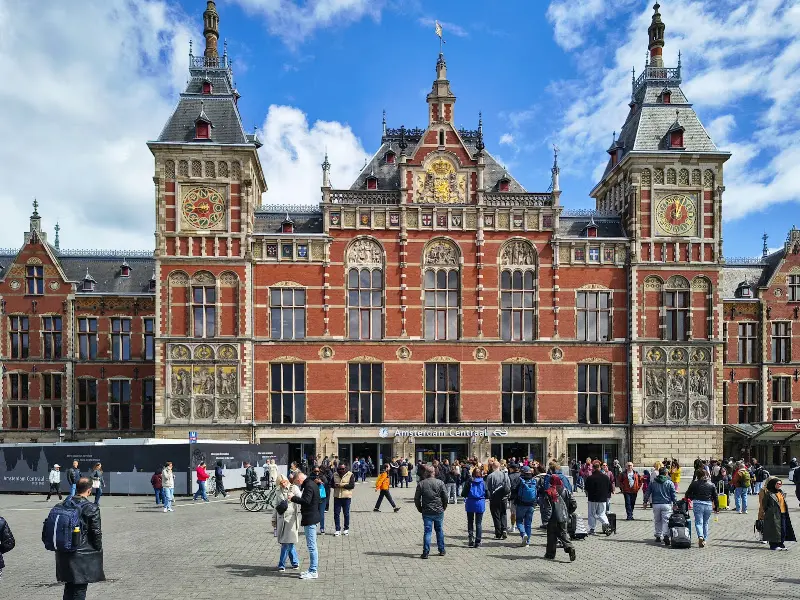
Amsterdam, the capital and largest city of the Netherlands, is located in the province of North Holland at the mouth of the Amstel River. Its name refers to the original dam built in the Amstel to control flooding. The city has about 934,000 inhabitants within the municipality, around 1.46 million in the urban area, and roughly 2.5 million in the wider metropolitan region. Because of its extensive canal network, much of it now listed as a UNESCO World Heritage Site, Amsterdam is often called the “Venice of the North.”
The city began as a small fishing village in the 12th century, but grew into one of the world’s most important ports during the Dutch Golden Age of the 17th century. At that time, Amsterdam became a leading centre of trade, finance and art. The Amsterdam Stock Exchange, founded in 1602, is often regarded as the world’s oldest modern securities exchange. The city also became famous for its relatively open and tolerant atmosphere, a tradition that still shapes its image today. Although Amsterdam is the official capital of the Netherlands, the national government, parliament, royal court and foreign embassies are located in The Hague.
Amsterdam is one of Europe’s major cultural and tourist destinations. Its best-known sights include the historic canal belt, Dam Square with the Royal Palace, the Rijksmuseum with masterpieces of the Dutch Golden Age, the Van Gogh Museum, the Anne Frank House, the Stedelijk Museum for modern art, the Concertgebouw, the Scheepvaartmuseum, Artis Zoo and the Hortus Botanicus. The narrow canal houses with their gabled façades are among the most recognizable features of the city. Amsterdam is also known for its nightlife, festivals, red-light district and cannabis coffee shops, all of which contribute to its international reputation.
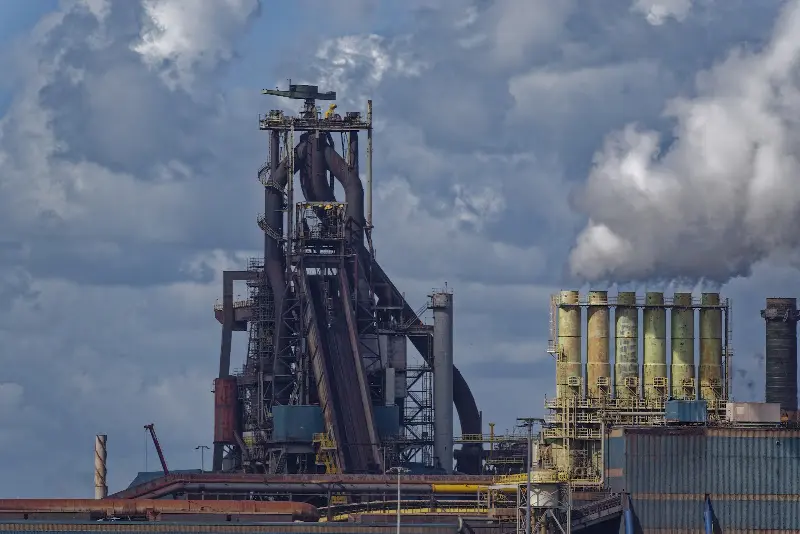
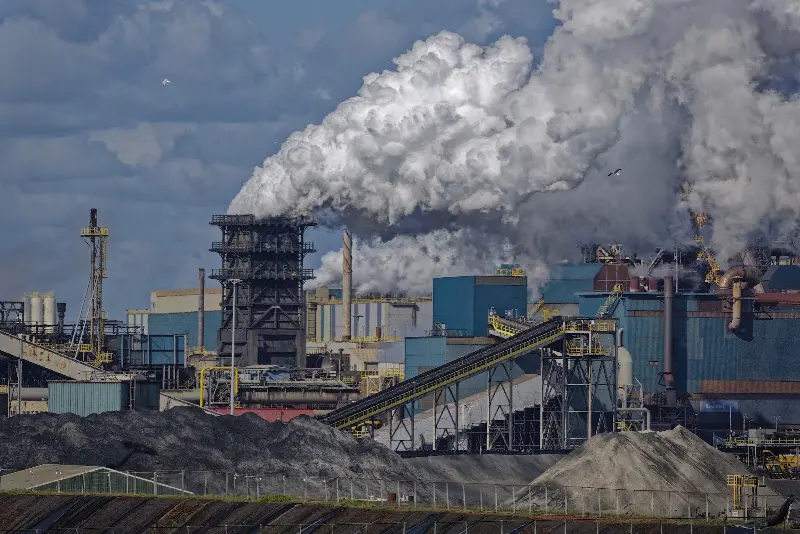
In modern times, Amsterdam is an important financial, cultural and technological centre. Many Dutch institutions and international companies have offices or European headquarters there. The Port of Amsterdam is one of the largest in Europe, and nearby Schiphol Airport is one of the continent’s busiest airports. Cycling is central to everyday life in the city, with an extensive network of bike paths and lanes. Amsterdam is also one of the world’s most multicultural cities, with people of around 180 nationalities living there. Famous figures associated with the city include Rembrandt, Vincent van Gogh, Baruch Spinoza, René Descartes, John Locke and Anne Frank.
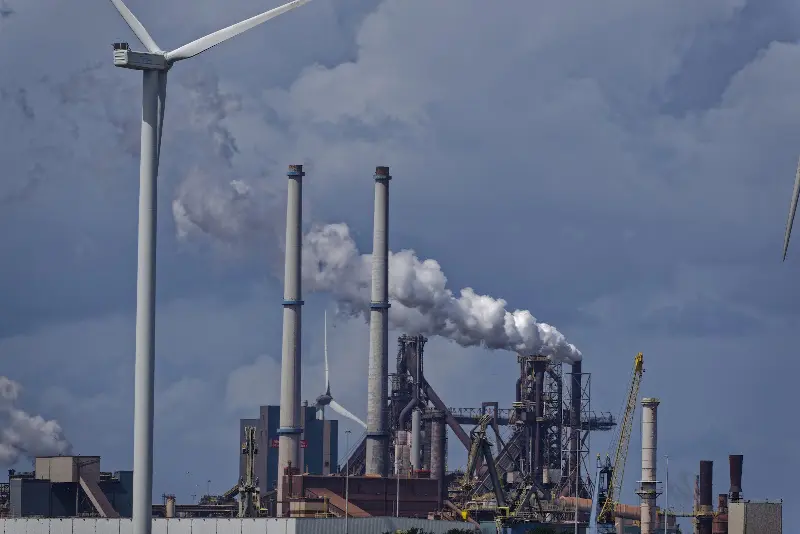
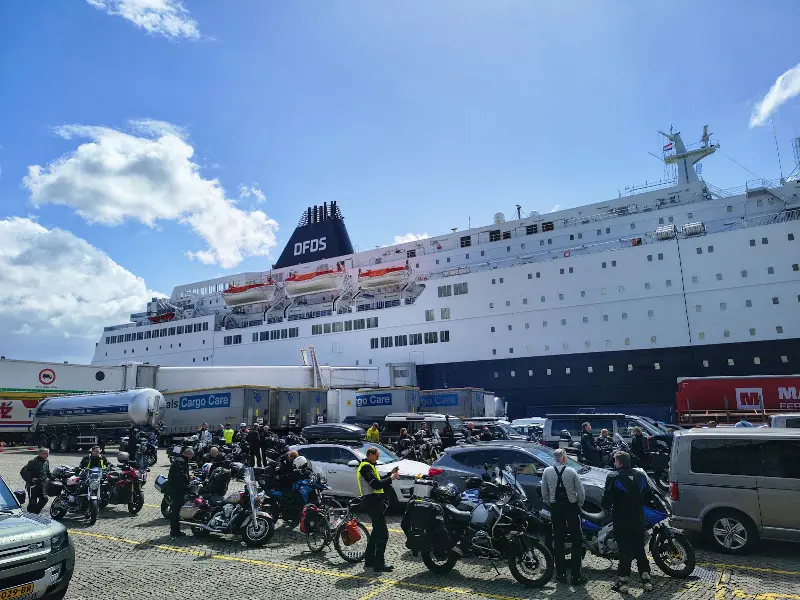
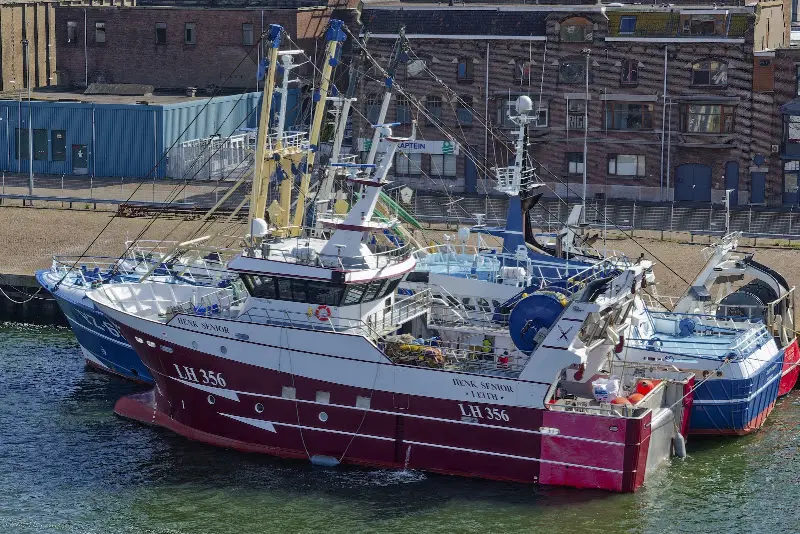
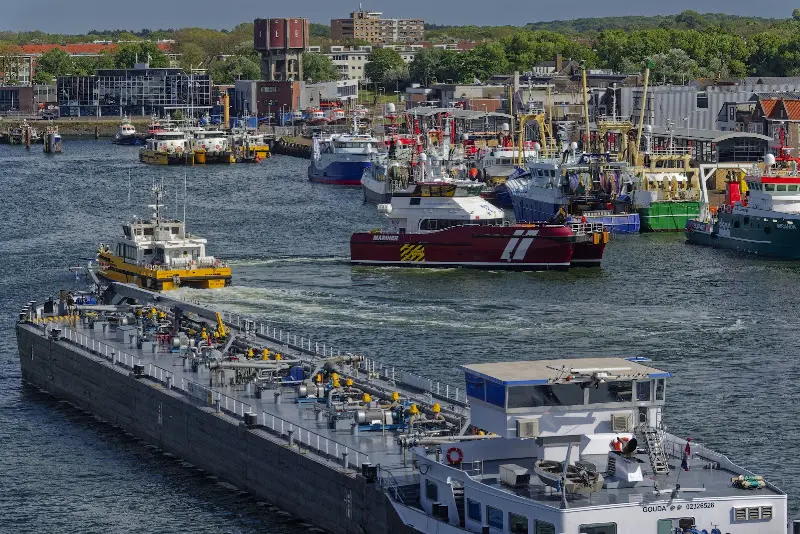
Fri May 15 - From Ferry to Farm
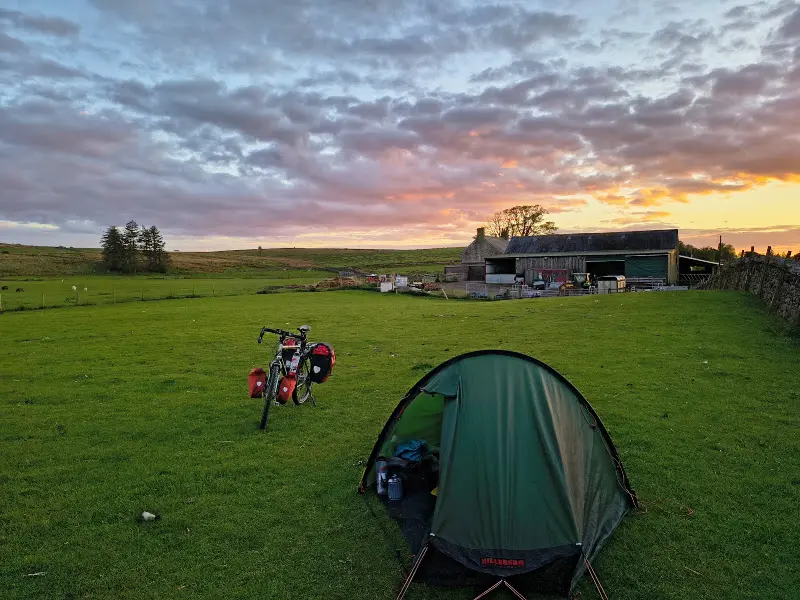
After that stormy night, the ferry arrived in Newcastle at about 9:15 a.m. local time. I left the ship at 10:30 and followed a good part of Hadrian’s Cycleway towards the city centre. I withdrew some money from an ATM and later bought noodles, pesto and bread at Lidl. A £20 note from 2014 or earlier — probably from my last holiday — was not accepted, so I will have to change it at a bank. Rain was coming up, so I stopped at one of the farms that offer camping spots only to hikers on Hadrian’s Way and cyclists. Not very busy here tonight.
Newcastle upon Tyne
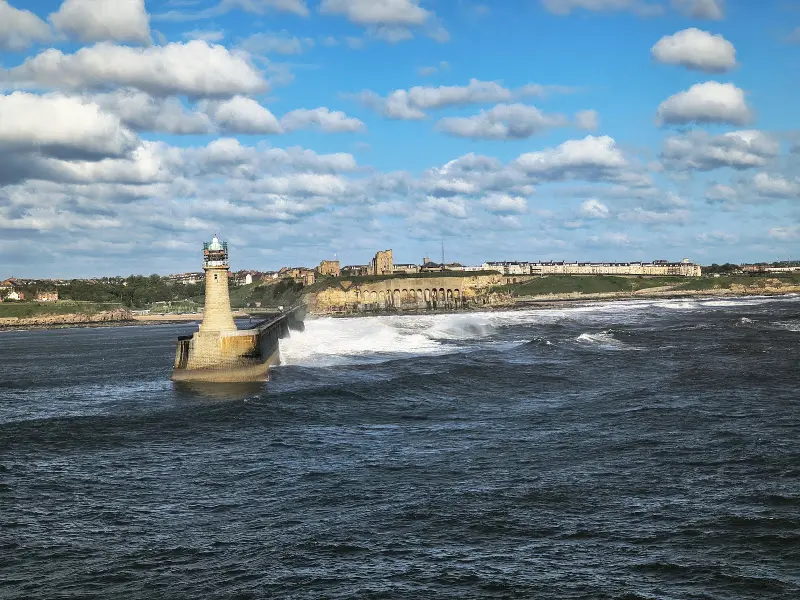
Newcastle upon Tyne, usually simply called Newcastle, is a major city in North East England. It lies on the northern bank of the River Tyne, opposite Gateshead, and forms part of the wider Tyneside conurbation. The city has a population of around 300,000, while the larger urban area is home to well over 800,000 people. Newcastle is known for its bridges across the Tyne, its industrial heritage, its lively city centre and the distinctive local “Geordie” identity and dialect.
The area has ancient roots. During the Roman period, a settlement called *Pons Aelius* stood here, connected with the eastern end of Hadrian’s Wall, which ran across northern England from the Tyne to the Solway Firth. The modern name comes from the “new castle” built by the Normans in the late 11th century, after which the settlement grew into an important medieval town. In later centuries Newcastle became especially important through the coal trade; the phrase “carrying coals to Newcastle” reflects its long role as one of England’s great coal-exporting centres.
During the Industrial Revolution, Newcastle and the surrounding Tyneside area developed into a major centre of shipbuilding, engineering, heavy industry and railway innovation. The region is strongly associated with figures such as George and Robert Stephenson, pioneers of early steam railway engineering. Although much of the old heavy industry declined in the 20th century, Newcastle reinvented itself as a centre for education, culture, services and nightlife. It is home to Newcastle University and Northumbria University, giving the city a large student population.
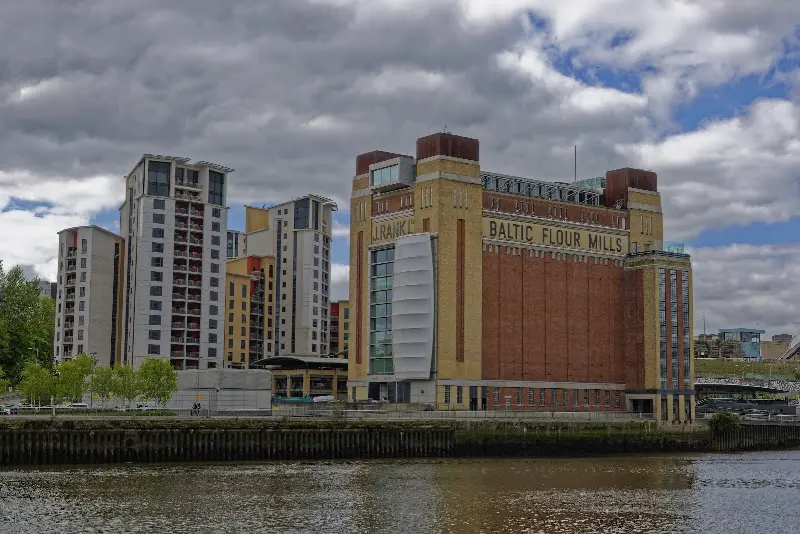
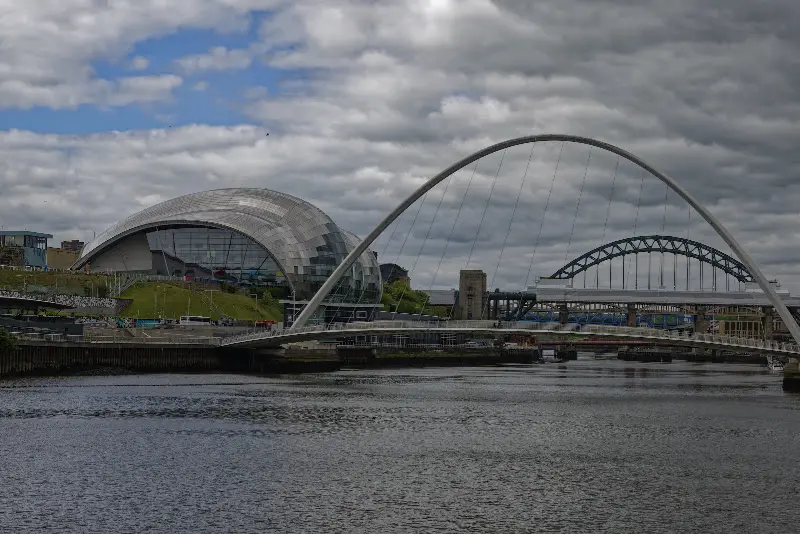
Important sights include the Castle Keep and Black Gate, Newcastle Cathedral, the elegant Georgian streets of Grainger Town, Grey Street, the Theatre Royal, St James’ Park football stadium and the Quayside along the River Tyne. The famous Tyne Bridge links Newcastle with Gateshead, where modern cultural landmarks such as the BALTIC Centre for Contemporary Art and the Glasshouse International Centre for Music stand nearby. For travellers, Newcastle is also a gateway to Northumberland, Hadrian’s Wall country and ferry connections from nearby North Shields across the North Sea.
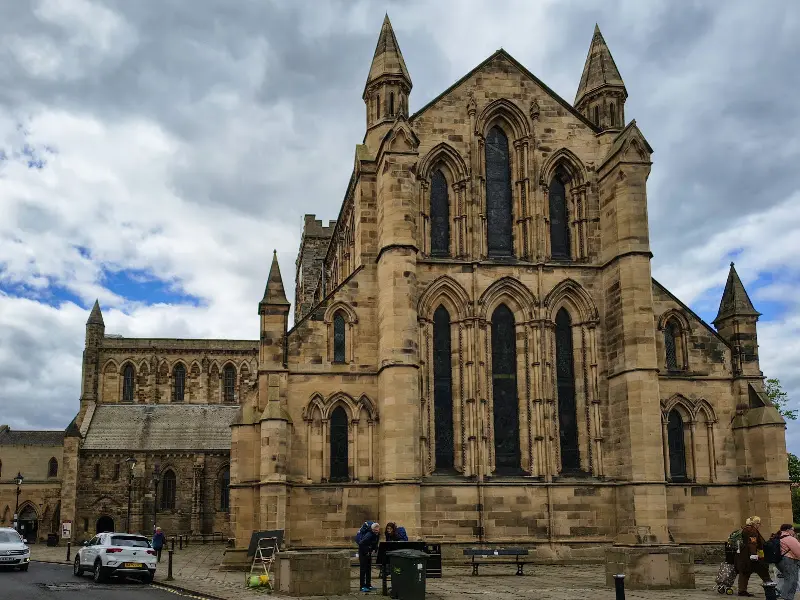
Hexham Abbey
Hexham Abbey, dedicated to St Andrew, has its origins in a monastery founded by St Wilfrid in 674. Its remarkable Anglo-Saxon crypt still survives and was built partly from reused Roman stone, reflecting the closeness of Hadrian’s Wall and other Roman sites in the region. The present church is largely medieval, dating from Hexham’s time as an Augustinian priory in the 12th and 13th centuries. Among its notable features are the Night Stair, carved choir stalls, and the ancient Frith Stool, linked to the abbey’s former right of sanctuary.
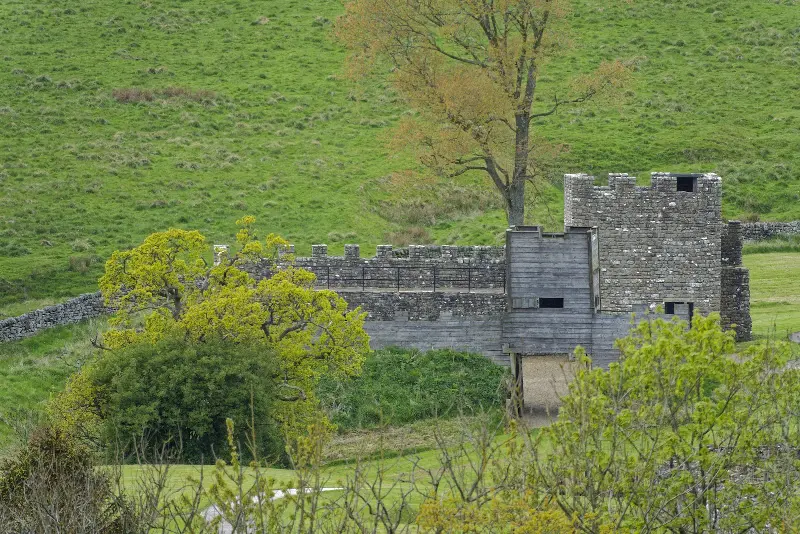
Kastell Vindolanda
Vindolanda was a Roman auxiliary fort and civilian settlement just south of Hadrian’s Wall, occupied for much of the Roman period in Britain. The site predates the Wall itself: the first timber forts were built here around AD 85, decades before Hadrian’s Wall was constructed in the 120s. Over time several forts, both timber and stone, were built one above another as the garrison changed and the frontier developed. Vindolanda guarded the Stanegate, the important Roman road running east–west across northern Britain.
The site is especially famous for the Vindolanda Tablets, thin wooden writing tablets preserved in waterlogged soil. Dating mainly from the late 1st and early 2nd centuries, they are among the oldest surviving handwritten documents in Britain. They include military reports, supply lists, personal letters and even a birthday invitation, giving unusually direct insight into everyday life on the Roman frontier. Excavations have also produced large numbers of shoes, textiles, tools, weapons and other objects, many of them displayed in the site museum.
Hadrian’s Wall
Hadrian’s Wall was built from AD 122 onwards on the orders of the Roman emperor Hadrian, marking the northern frontier of the Roman province of Britannia. It stretched for about 73 Roman miles — roughly 117 km — from Wallsend on the River Tyne in the east to Bowness-on-Solway in the west. The Wall was not simply a defensive barrier, but part of a controlled frontier system with forts, milecastles, turrets, roads, ditches and supply routes. Along the Wall stood major forts such as Housesteads, Chesters, Birdoswald and Vindolanda nearby, supported by smaller milecastles placed at regular intervals and observation turrets between them. To the south ran the vallum, a large earthwork that helped define the military zone. The Wall controlled movement, trade and taxation across the frontier as much as it defended against attack. Today Hadrian’s Wall is a UNESCO World Heritage Site and one of the best-preserved Roman frontier landscapes in Europe.
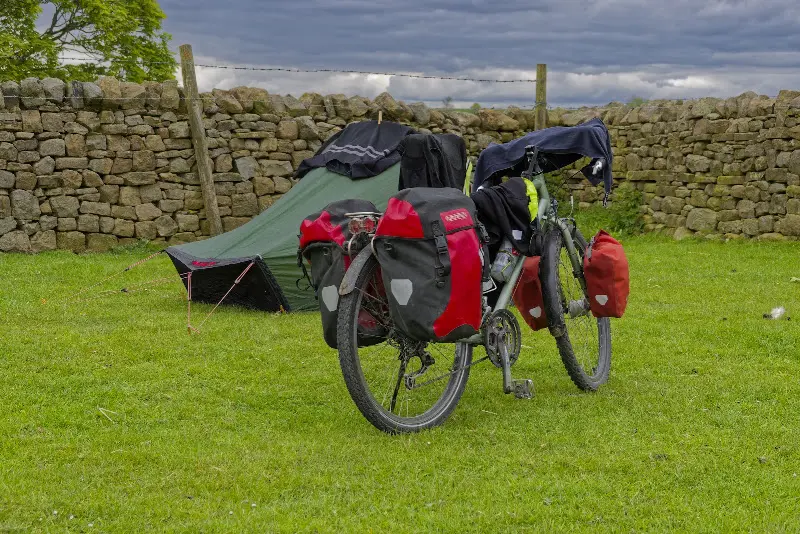
Sat May 16 - Farm to Pub
The day started with sunshine, but after Dumfries it became cold and rainy. Tonight I am camping in the backyard of a pub — even with a warm shower.
Dumfries and Robert Burns
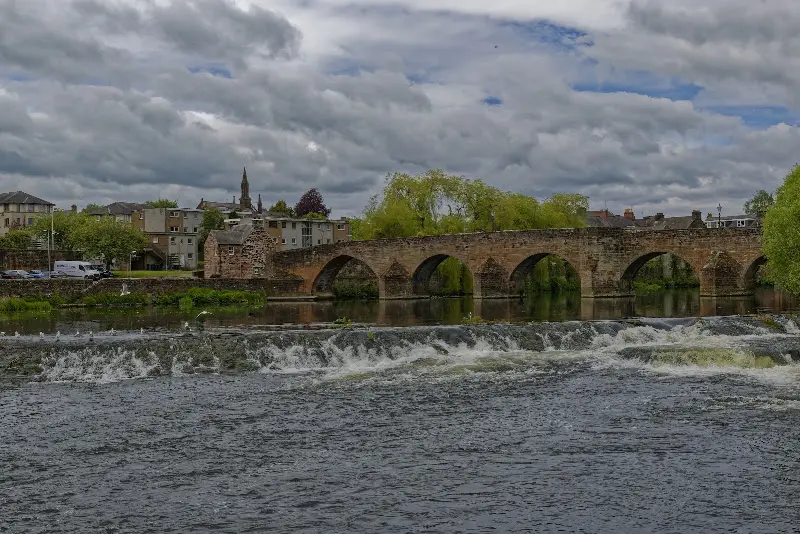
Dumfries is a historic market town in south-west Scotland, situated on the River Nith. Because of its location close to the English border, it played an important role in the turbulent history of the region, including the medieval conflicts between Scotland and England. The town is often called the “Queen of the South” and became an important administrative, commercial and cultural centre for the surrounding area. Its old bridge, riverside setting and Georgian buildings still reflect its long history as a regional town. Dumfries is closely associated with Robert Burns, Scotland’s national poet, who spent the final years of his life there. Burns moved to Dumfries in 1791 while working as an excise officer, and continued to write some of his best-known songs and poems in the town, including works linked to Scottish identity and popular tradition. He died in Dumfries in 1796 at the age of 37 and is buried in the Burns Mausoleum in St Michael’s Churchyard. Several sites in the town preserve his memory, including Robert Burns House, where he lived with his family, and the Globe Inn, one of his favourite drinking places.
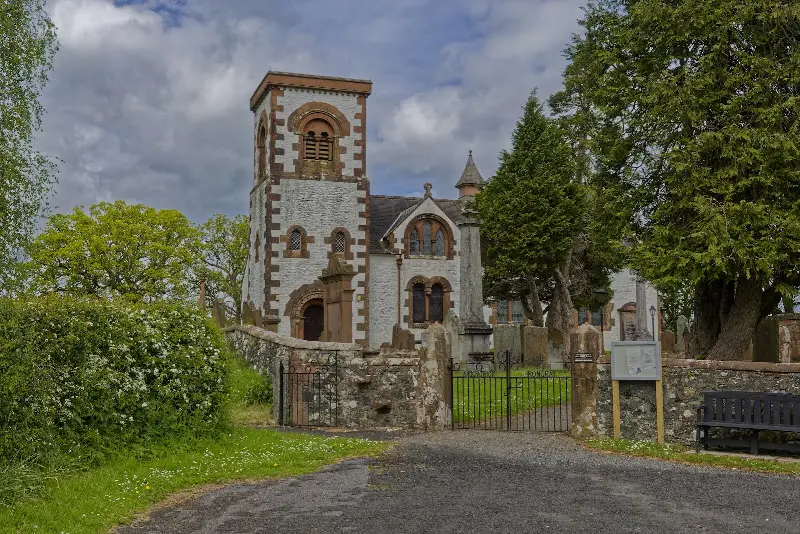
Kirkpatrick Irongray Parish Church - Romanesque style church, with 3-stage square entrance tower.White washed rubble with red ashlar dressings.
Sun May 17 - from Pub to Belfast
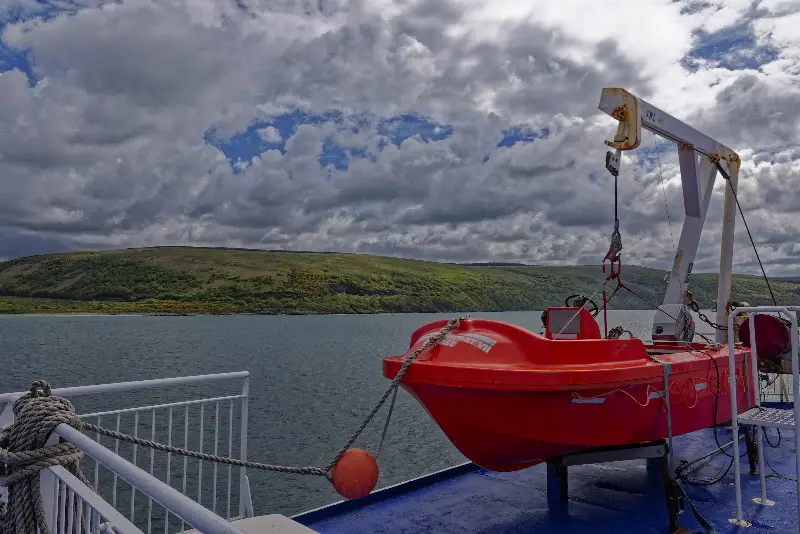
I got up quite early this morning and caught the 10:25 ferry to Belfast. Belfast welcomed me with rain: ten minutes of rain, ten minutes dry, and so on.
After a few hours I left Belfast to the northeast, heading for a campsite, but then the rain would not stop. I am now sitting in the campsite common room for the evening. Around 7 p.m. the rain should get lighter.
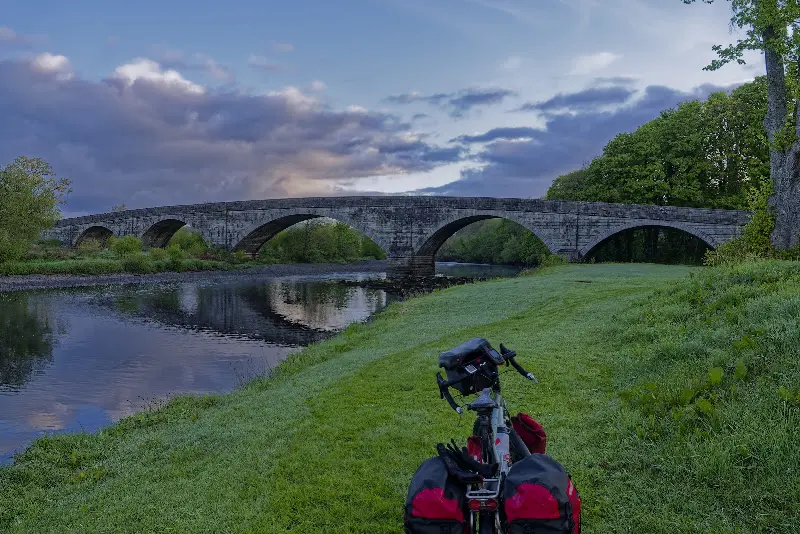
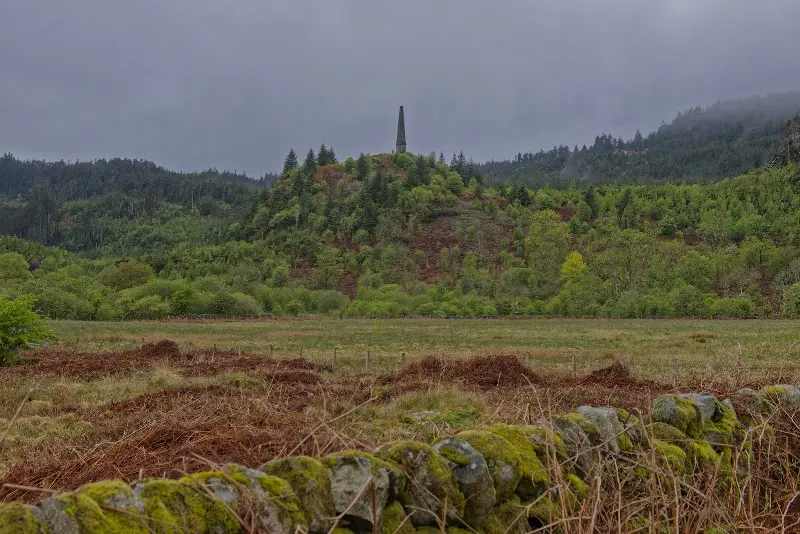
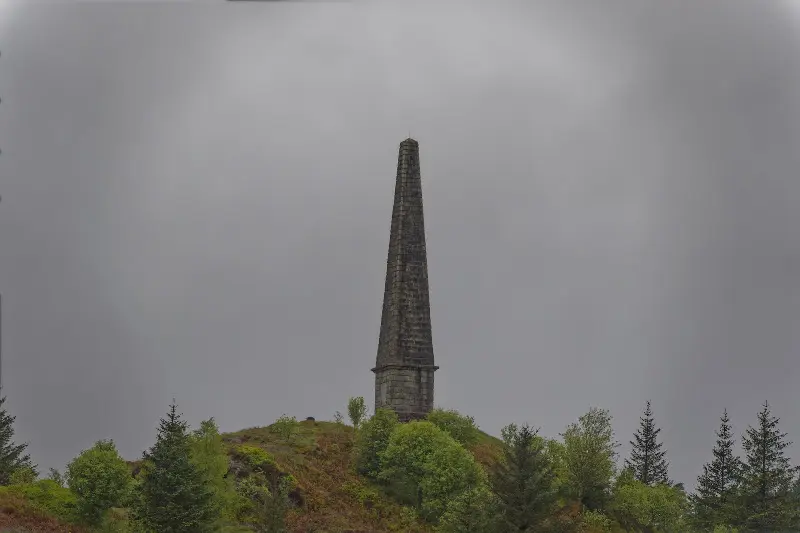
Alexander Murray Monument
The Alexander Murray Monument was erected in 1835 in memory of Alexander Murray, who was born nearby in 1775 into a poor shepherding family. Largely self-taught as a child, he showed an exceptional talent for languages and eventually rose to become Professor of Oriental Languages at the University of Edinburgh. His career was remarkable for the time, taking him from a rural Galloway childhood to one of Scotland’s leading academic institutions. The monument stands high on the hillside above the valley, in a prominent position with wide views across the surrounding landscape and towards the northern slopes of Cairnsmore of Fleet. It marks both Murray’s local origins and the unusual story of social mobility and scholarship that made him a celebrated figure in the region.
Belfast
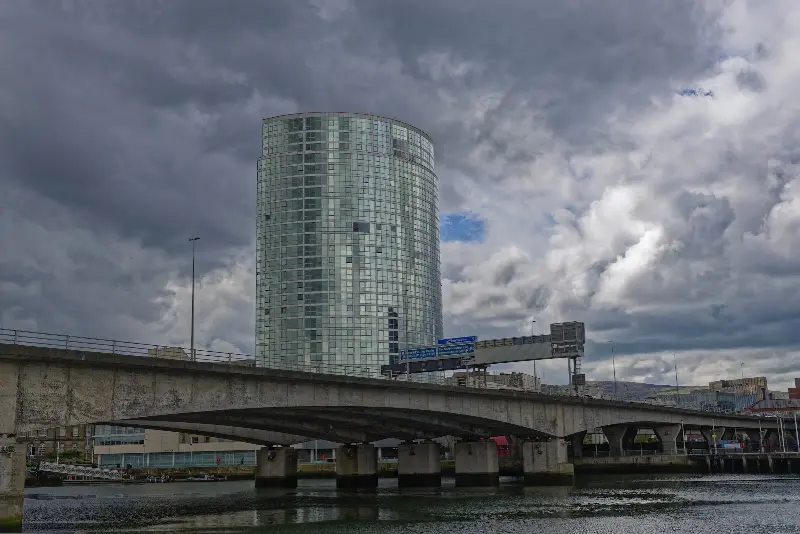
Belfast is the capital and largest city of Northern Ireland, situated at the mouth of the River Lagan where it opens into Belfast Lough. The city grew from a small settlement into a major industrial centre, especially from the 18th and 19th centuries onwards. It became famous for linen production — Belfast was once nicknamed “Linenopolis” — as well as shipbuilding, engineering, rope-making and tobacco manufacture. Its position as a port city made it one of the most important urban centres in Ireland and Britain during the industrial age.
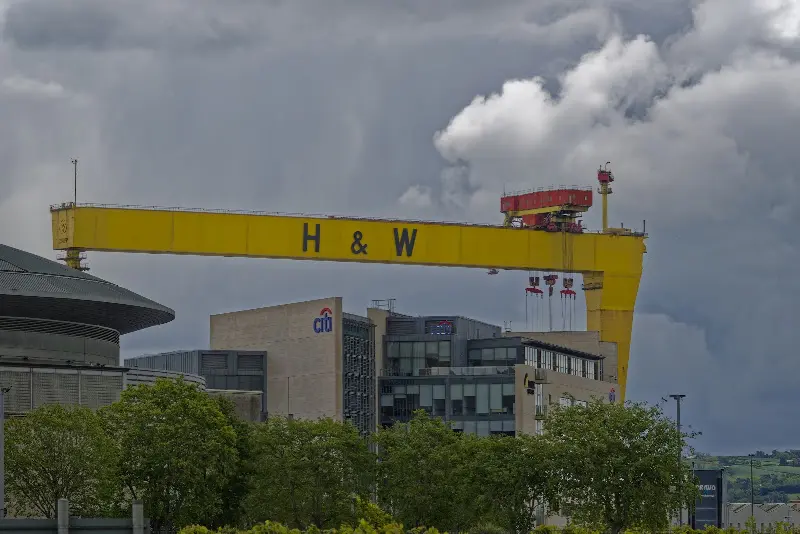
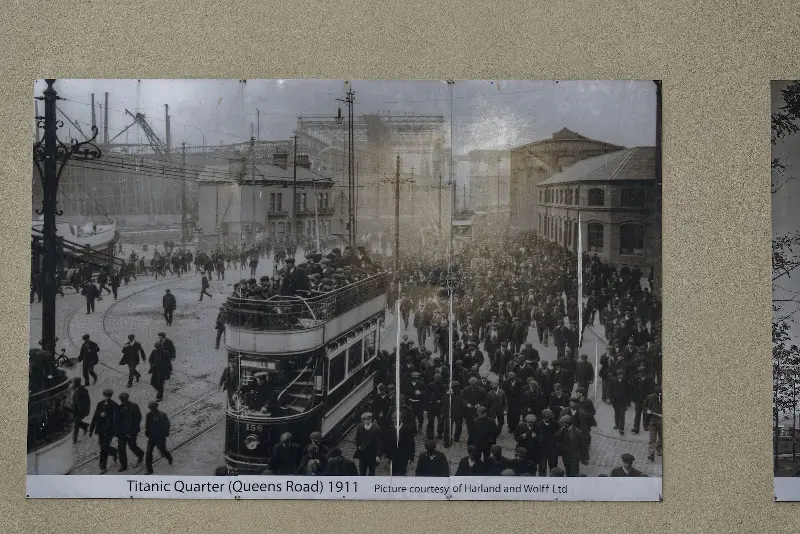
The city’s best-known industrial name is Harland & Wolff, the shipyard whose giant cranes, Samson and Goliath, still dominate the skyline. It was here that RMS Titanic was built before her launch in 1911 and disastrous maiden voyage in 1912. The former shipyard area has since been redeveloped as the Titanic Quarter, with the Titanic Belfast museum now one of the city’s major attractions. This mix of industrial heritage and modern regeneration is one of the most visible themes in present-day Belfast.
Belfast is also strongly marked by the history of the Troubles, the decades of political and sectarian conflict in Northern Ireland from the late 1960s to the Good Friday Agreement of 1998. Murals, peace walls, memorials and former flashpoints remain part of the urban landscape, especially in parts of west and north Belfast. At the same time, the city has changed greatly since the peace process, with new cultural venues, restaurants, hotels, public spaces and a much livelier tourism scene.
Today Belfast is a compact and energetic city with a strong cultural identity. Its centre includes grand civic architecture, Victorian pubs, markets, theatres and music venues, while the surrounding districts range from university quarters to working harbour landscapes. For visitors, the city offers a combination of maritime history, political history, architecture, nightlife and access to the surrounding countryside of County Antrim and County Down.
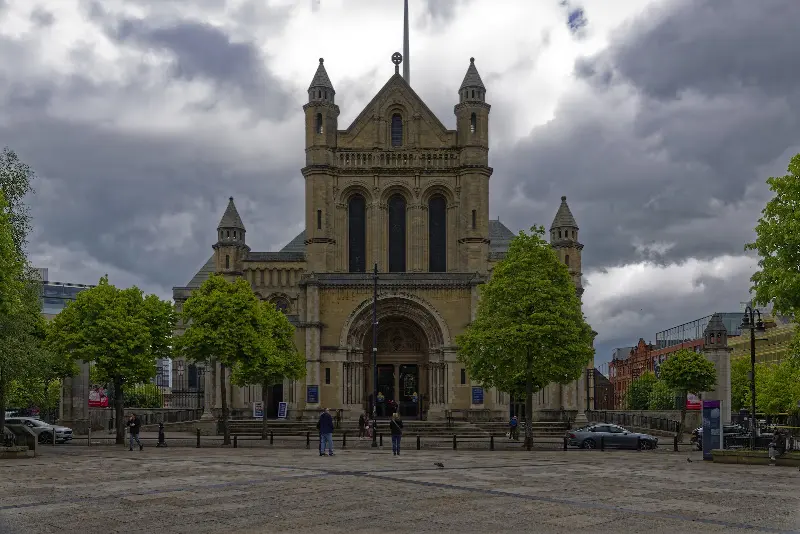
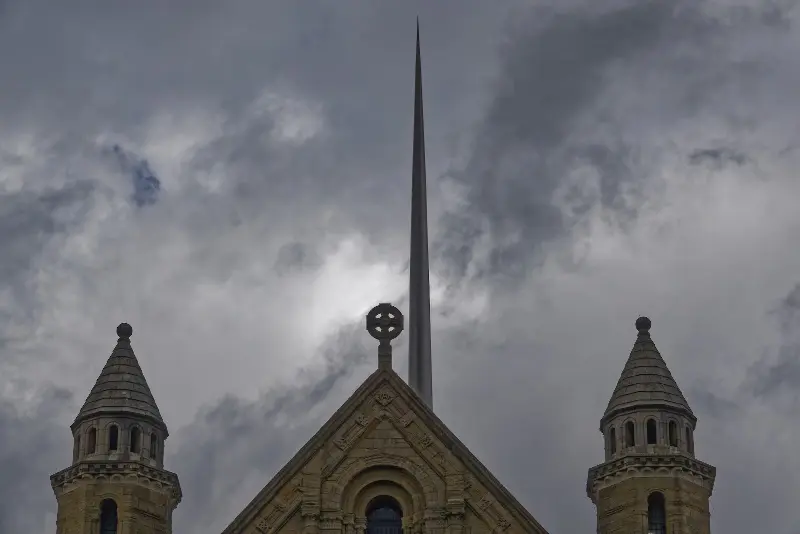
St Anne’s Cathedral
St Anne’s Cathedral, also known as Belfast Cathedral, stands in the Cathedral Quarter and belongs to the Church of Ireland. Construction began in 1899 on the site of an earlier parish church, and the building developed gradually over the 20th century. Its Romanesque style, mosaics, carved stonework and stained glass make it one of Belfast’s major religious buildings. A modern addition is the stainless-steel “Spire of Hope,” installed in 2007, which rises high above the cathedral roof.
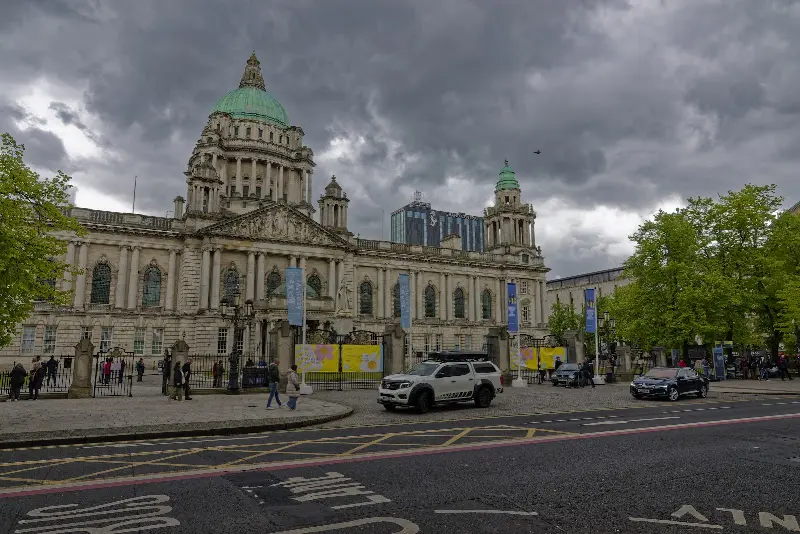
Belfast City Hall
Belfast City Hall is one of the city’s most prominent landmarks, standing in Donegall Square in the centre of Belfast. It was built after Belfast was granted city status by Queen Victoria in 1888 and opened in 1906. The building is designed in an Edwardian Baroque style, with a large central dome and Portland stone exterior. The grounds include memorials and gardens, among them the Titanic Memorial Garden, reflecting Belfast’s shipbuilding history.
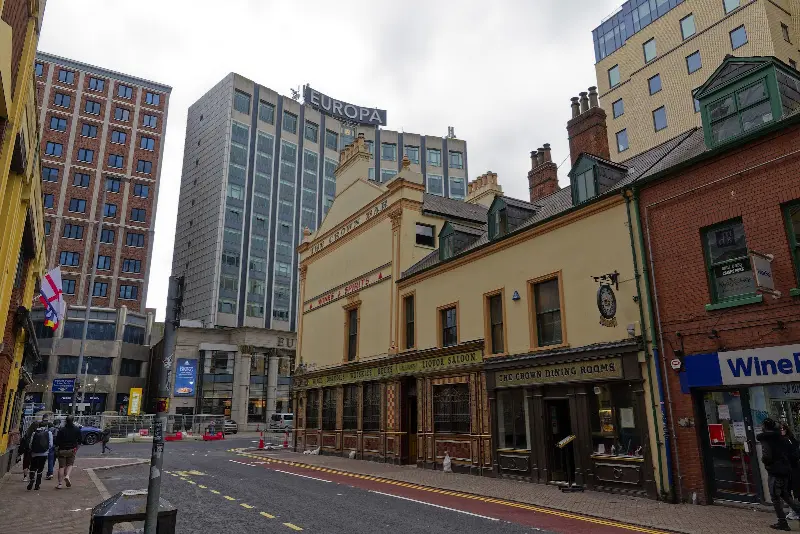
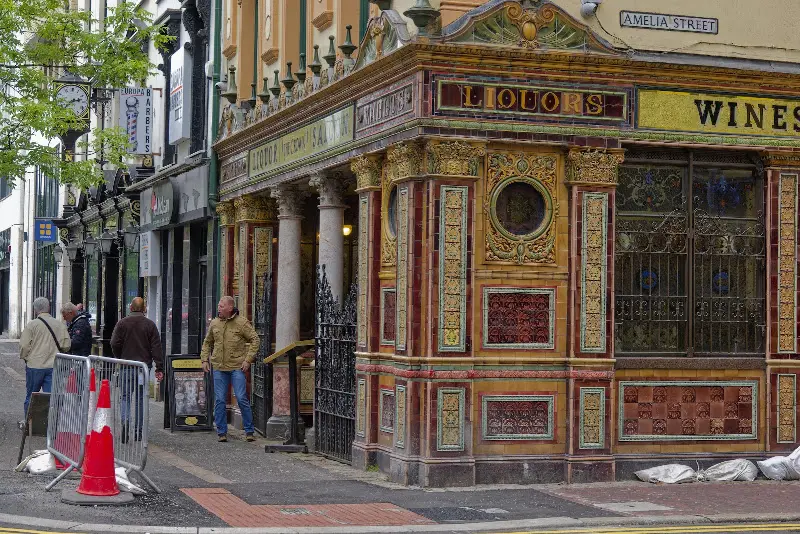
The Crown Liquor Saloon and the Europa Hotel
The Crown Liquor Saloon is one of Belfast’s most famous pubs and one of the finest surviving Victorian “gin palaces” in Britain and Ireland. Dating mainly from the late 19th century, it is known for its ornate tiles, stained glass, carved woodwork, decorative ceiling and private snugs. Now owned by the National Trust and still operating as a pub, it is a popular place for traditional food, oysters and a pint of Guinness.
Directly opposite stands the Europa Hotel, closely associated with the Troubles. Because of its central location and use by journalists, politicians and visitors, it was repeatedly damaged by bomb attacks and became known as one of Europe’s most bombed hotels. Today the contrast is striking: the Crown represents preserved Victorian Belfast, while the Europa recalls the city’s more recent and violent history, as well as its recovery.
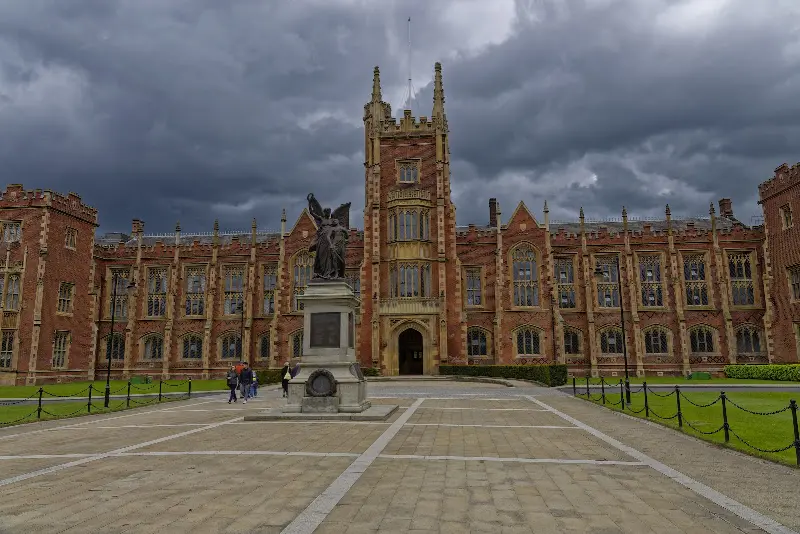
Queen’s University Belfast
Queen’s University Belfast is one of the leading universities in Ireland and the United Kingdom. Its origins go back to Queen’s College Belfast, founded in 1845, and it became a university in its own right in 1908. The main Lanyon Building, designed by architect Charles Lanyon and opened in 1849, is one of the most recognizable examples of Gothic Revival architecture in the city. The university area, south of the city centre, gives Belfast a strong student presence and is close to the Botanic Gardens and the Ulster Museum.
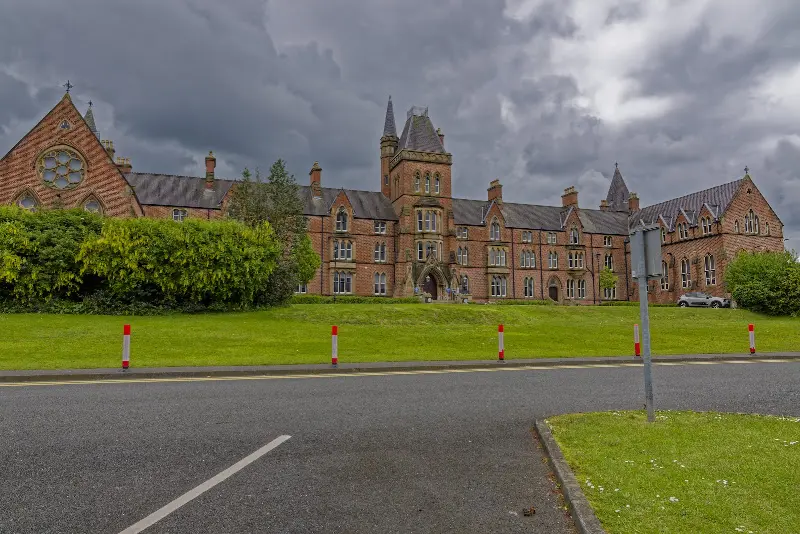
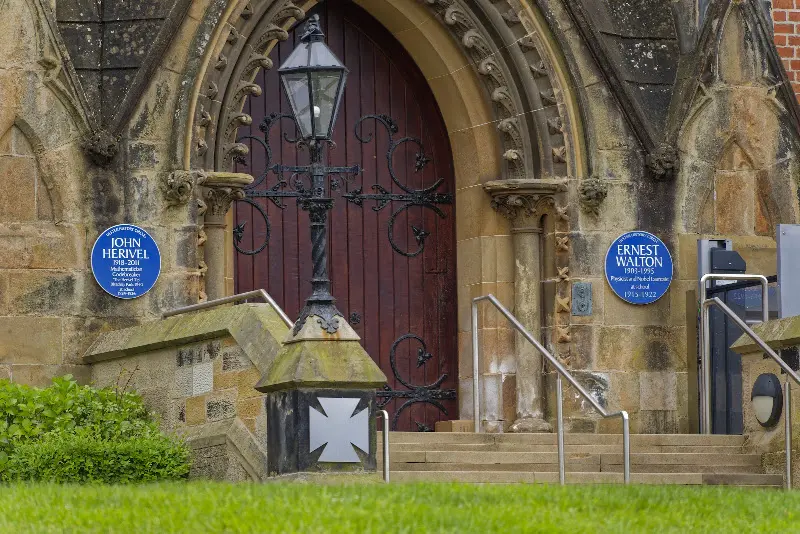
At Methodist College Belfast I found a personal thread running through several parts of my own life. The school honours Sir Ernest Walton, the Irish physicist who, together with John Cockcroft, was awarded the Nobel Prize in Physics in 1951 for the first artificial splitting of the atomic nucleus. Walton had been a pupil here before studying at Trinity College Dublin and later working at Cambridge, where the famous Cockcroft–Walton experiment was carried out.
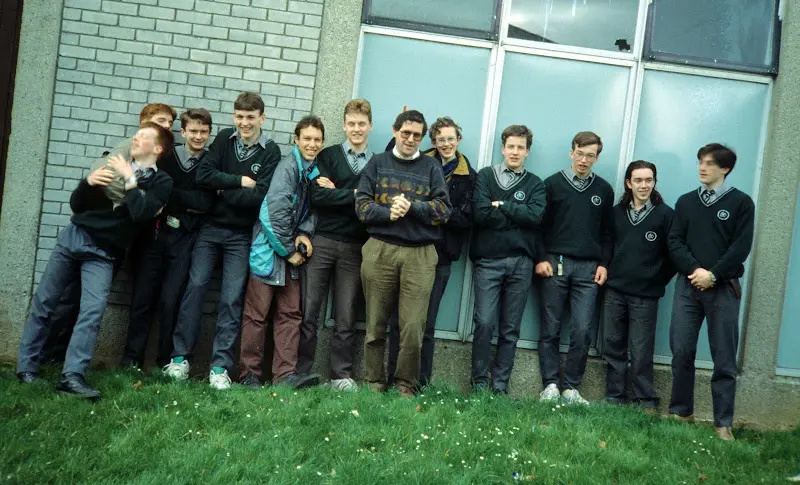
Walton was born in Dungarvan, in County Waterford — another place on this journey, and a place with its own importance for me. In 1992 I went to school there at St Augustine’s College, where I dived deeply into mathematics and physics and met people who still had personal memories of Walton. At the time this was simply part of the local background; only later did I fully understand how remarkable it was that a Nobel Prize winner in physics had come from that same small coastal town.
The Belfast connection adds another layer. In 1995, in a youth hostel in the Bavarian Alps, I met my girlfriend, who had gone to Methodist College Belfast. Years later, standing in front of that school with my bicycle, I was looking not only at a building connected with Ernest Walton, but also at a place linked to my own biography in a rather improbable way.
So the photograph is more than just a note about a famous former pupil. It connects Dungarvan, Belfast, the Bavarian Alps, school memories, mathematics, physics, and my later studies in physics.
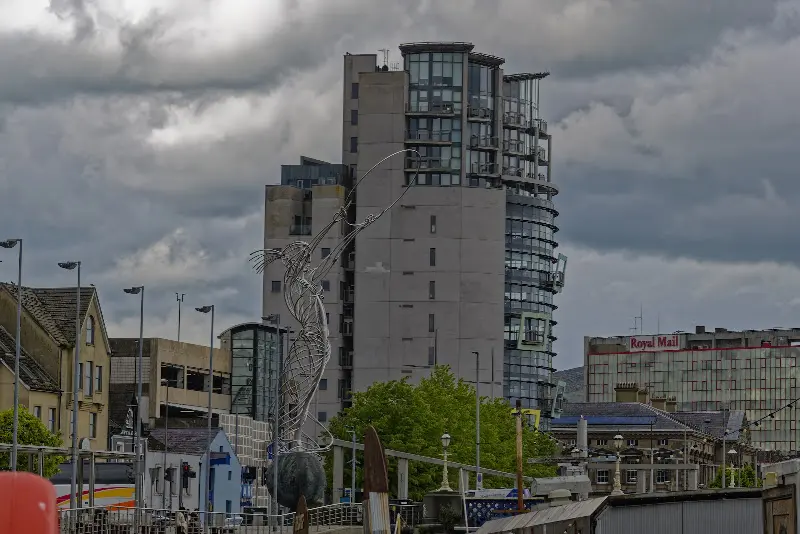
Harland & Wolff and the Titanic
Harland & Wolff is the great shipyard of Belfast, founded in 1861 by Edward James Harland and Gustav Wilhelm Wolff. During the late 19th and early 20th centuries it became one of the largest and most important shipbuilding companies in the world, closely linked to Belfast’s rise as an industrial city. The yard was especially known for its relationship with the White Star Line, for which it built some of the most famous ocean liners of the age. Its two giant yellow gantry cranes, Samson and Goliath, were added much later in the 20th century but have become modern landmarks of the Belfast skyline.
The most famous ship built by Harland & Wolff was RMS Titanic, constructed in Belfast and launched in 1911. She was one of three Olympic-class liners built for the White Star Line, alongside Olympic and Britannic, and represented the height of Edwardian engineering and luxury. After fitting out, Titanic sailed from Belfast to Southampton before beginning her maiden voyage in April 1912. Her sinking after striking an iceberg in the North Atlantic became one of the best-known maritime disasters in history. Today the former shipyard area is part of the Titanic Quarter, where the Titanic Belfast museum tells the story of the ship, the yard and the people who built her.