Ireland - A Ferry Tale
Mon May 25 - from thriving Galway to the Green Acres at the Shannon
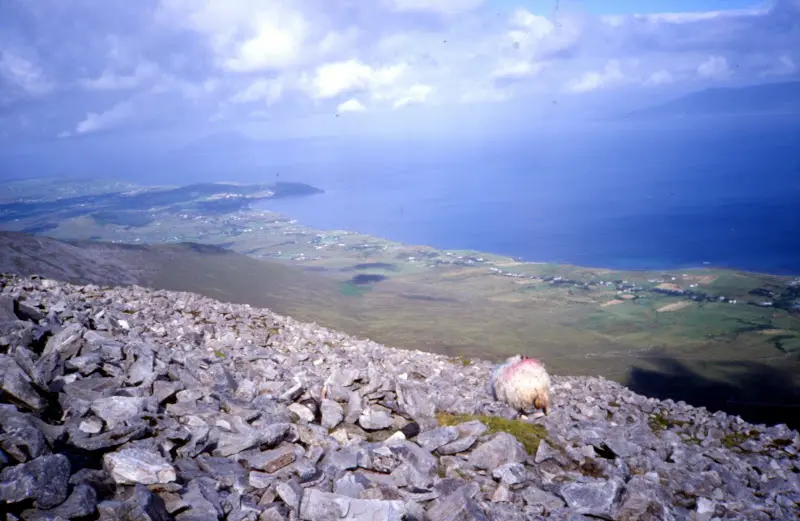
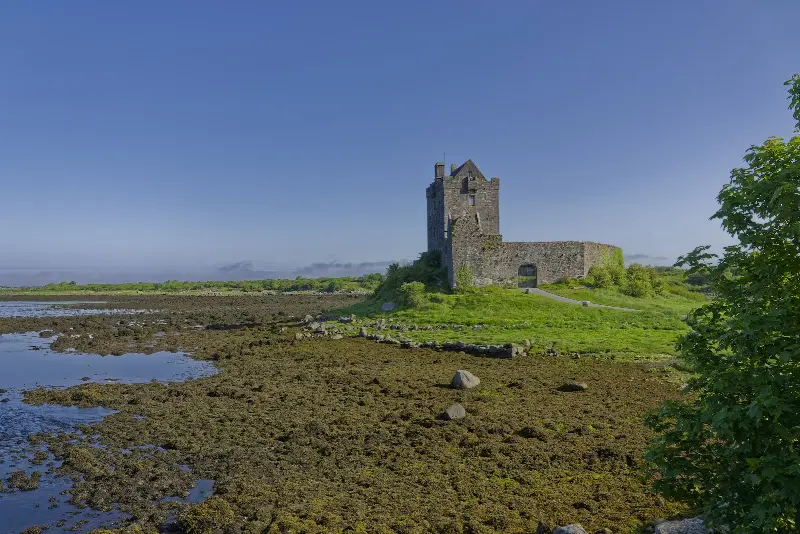
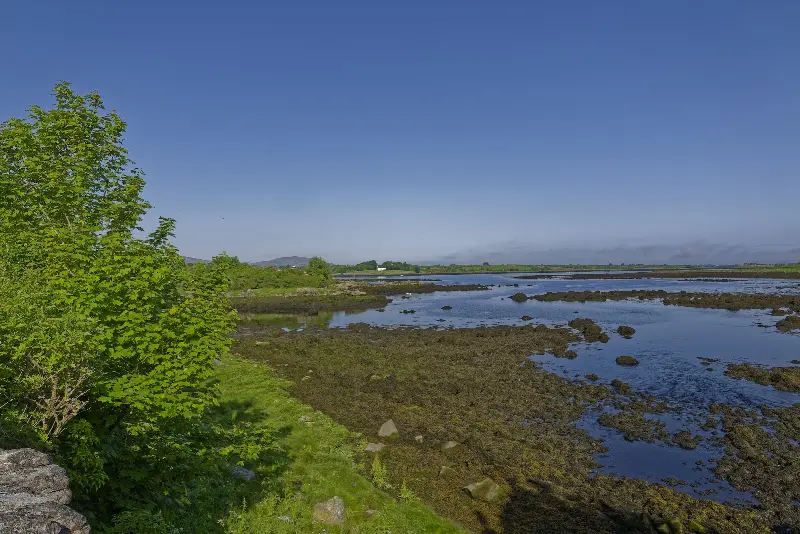
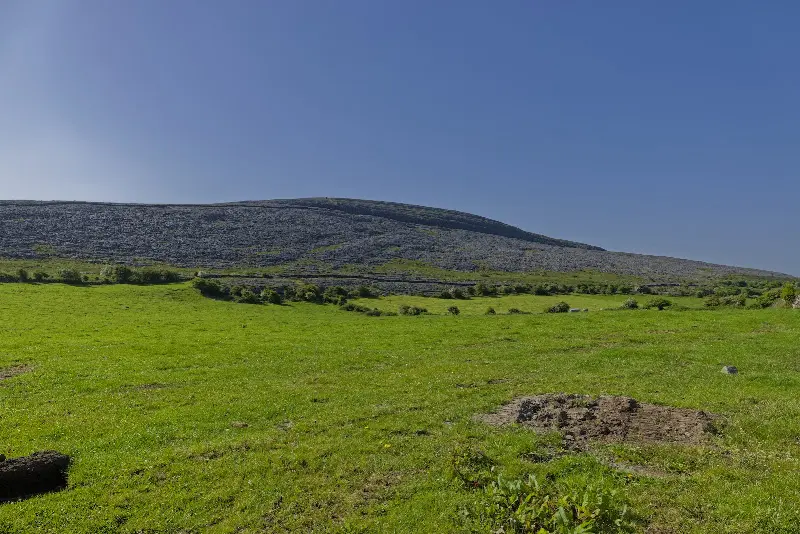
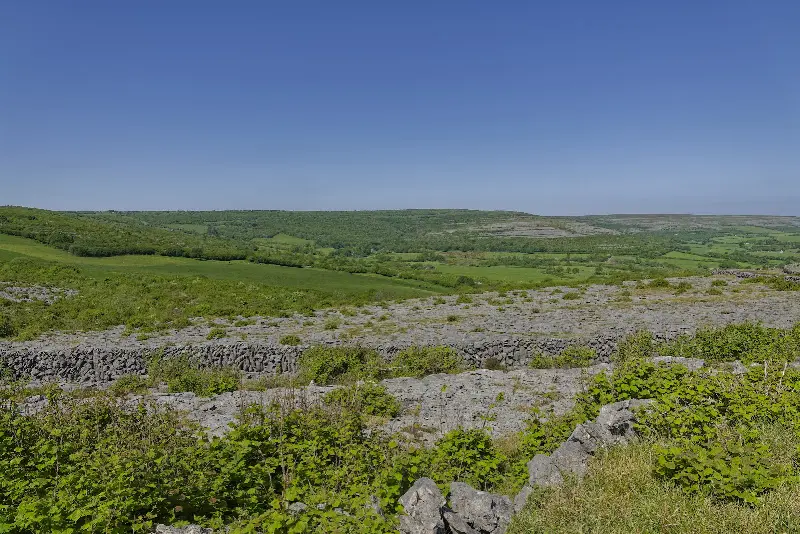
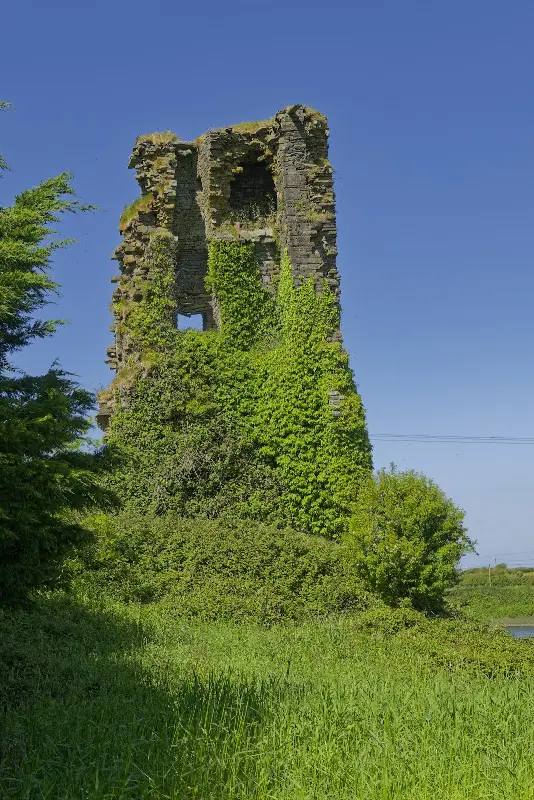
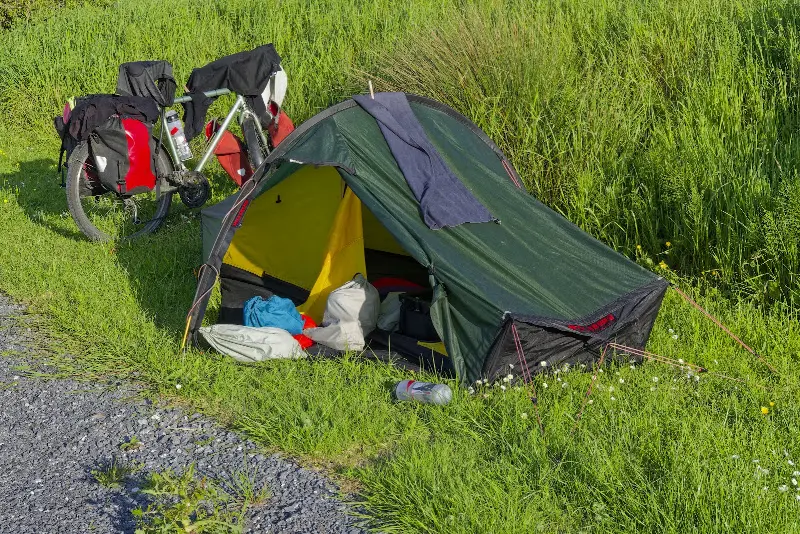
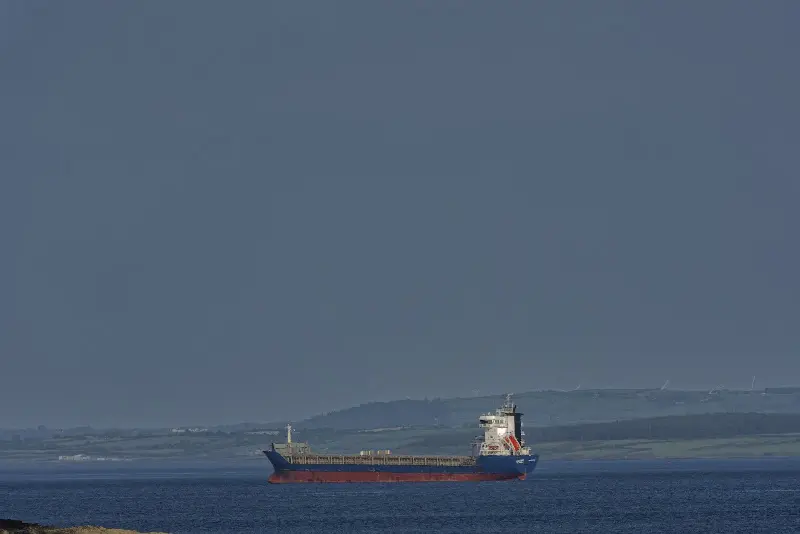
Sunny day — well, some mist early in the morning, but by about 9 it had cleared up. The Burren landscape was hilly, with lots of rock in the fields and a bit less lush green. The Cliffs of Moher would have been a highlight today, and I passed by the car park and the queues of people at the entrance and on the way up to the cliffs. I gave it a miss, since I have seen them more than once before. I headed south to the Shannon river/fjord, which I will cross early tomorrow morning.
The Burren
The Burren is a distinctive karst landscape in County Clare, on the west coast of Ireland, famous for its pale limestone pavements, rocky hills and unusual mixture of plants. Its name comes from the Irish Boireann, often translated as “great rock” or “rocky place,” which describes the terrain well. At first sight the Burren can look almost bare compared with the greener landscapes often associated with Ireland, but it is one of the country’s most ecologically rich regions.
The limestone was formed hundreds of millions of years ago in a warm shallow sea and was later shaped by ice, rain and underground drainage. The result is a landscape of cracked pavements, called clints and grikes, caves, disappearing streams, dry valleys and terraced hillsides. Because water quickly drains through the limestone, the surface can appear dry and stony, while complex cave systems and springs lie below. Poulnabrone Dolmen, one of Ireland’s best-known prehistoric portal tombs, is among the many archaeological sites in the Burren.
One of the most remarkable features of the Burren is its plant life. Arctic, Alpine and Mediterranean species can grow close together here, helped by the limestone, thin soils and mild Atlantic climate. In spring and early summer the apparently bare rock can be covered with gentians, mountain avens, orchids and other wildflowers. Traditional winter grazing by cattle also helped maintain this unusual habitat by preventing scrub from taking over.
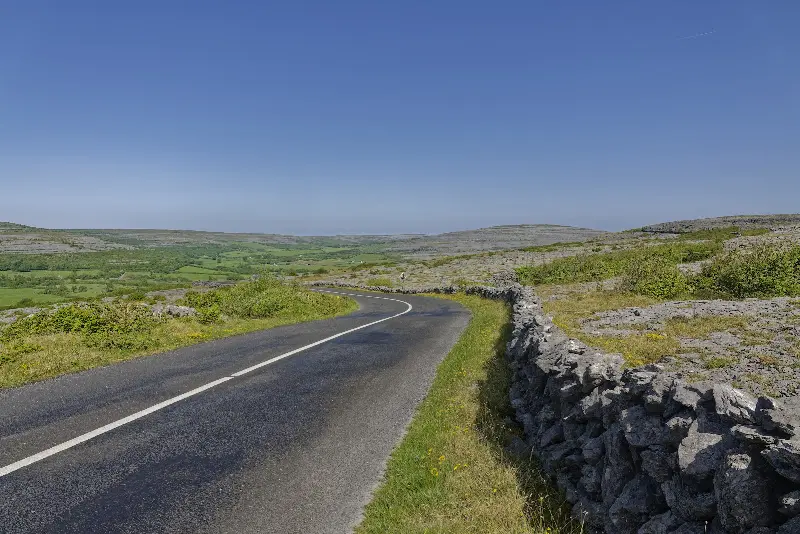
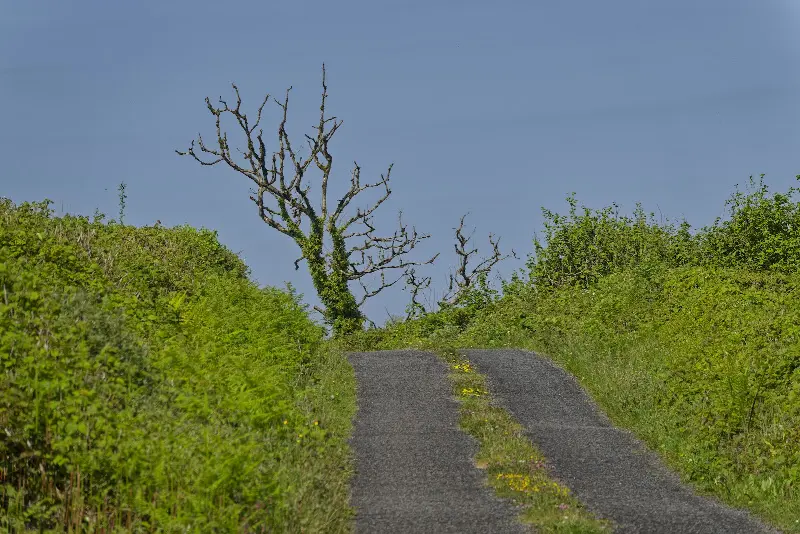
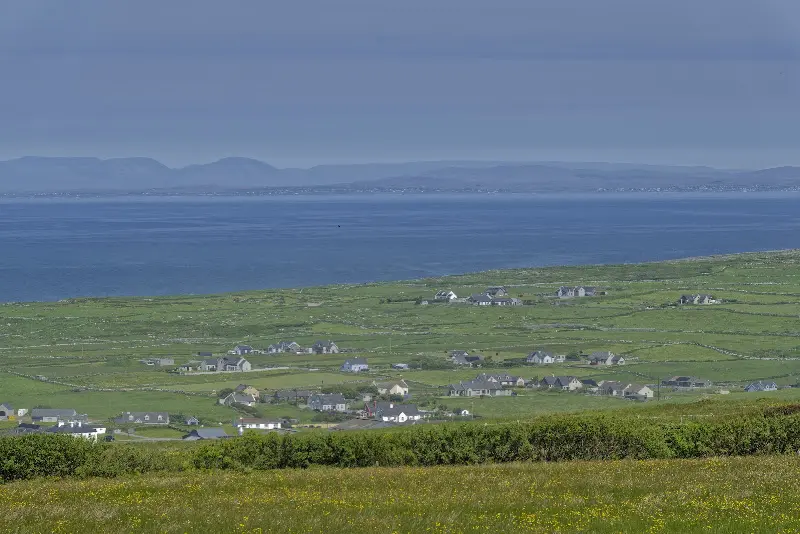
For travellers on the west coast, the Burren offers a very different mood from Connemara or Donegal. It is open, grey, stony and often wind-swept, but full of detail when seen slowly. By bicycle, the landscape is especially striking: stone walls, scattered farms, rocky fields, low hills and glimpses of Galway Bay or the Atlantic. Its beauty is less lush than much of Ireland, but it is one of the most memorable landscapes along the Wild Atlantic Way.
Tue May 26 - from Shannon to tourist-busy Killarney
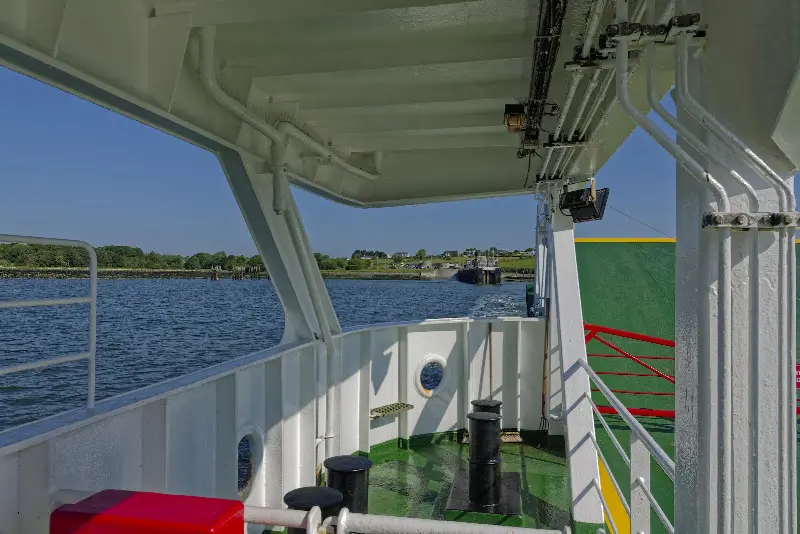
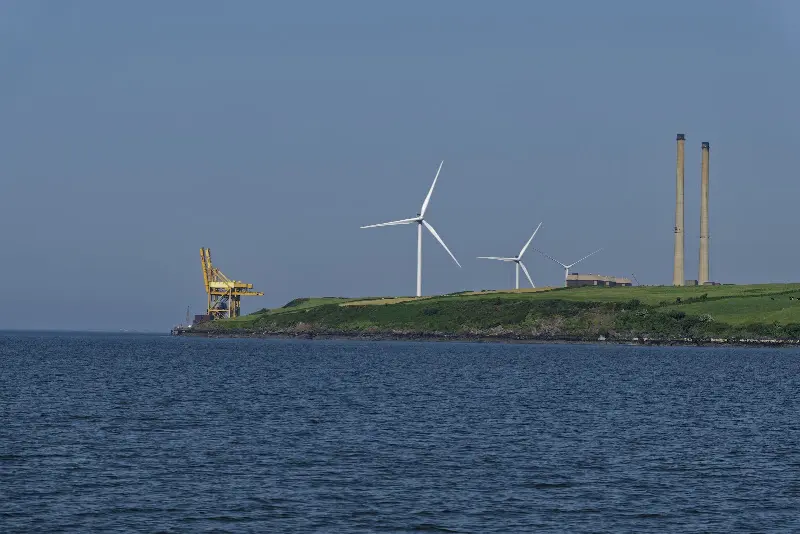
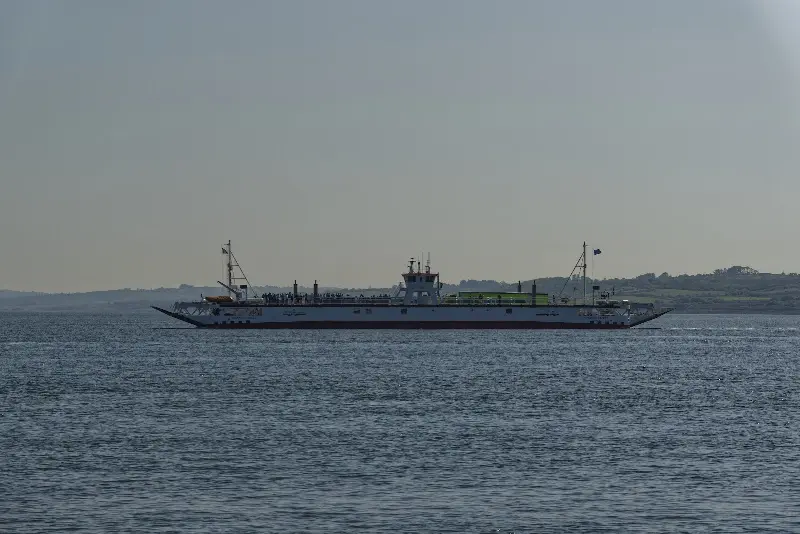
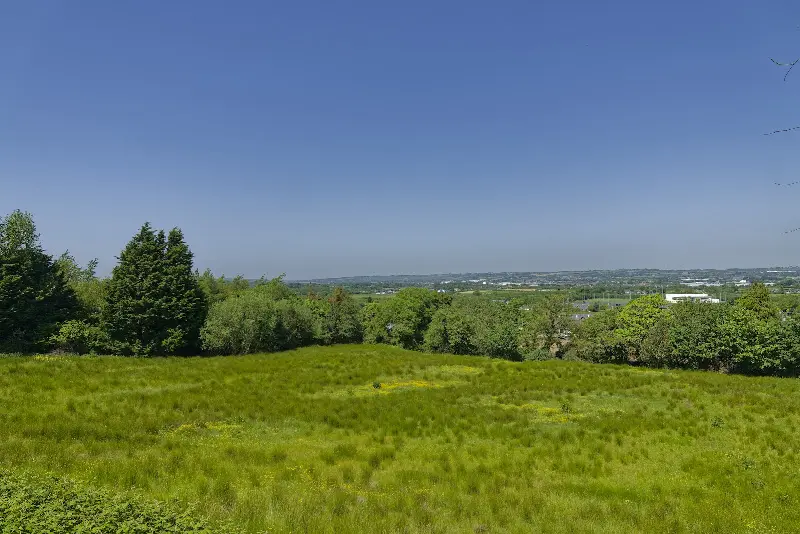
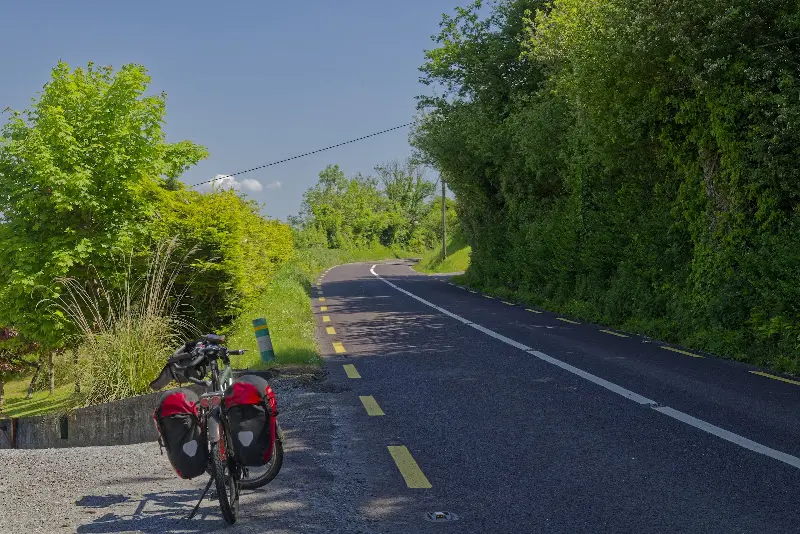
Ferry at 9:30, with a café at the port — very convenient. About 25 minutes to cross, then on small roads south to Tralee and via some hills to Killarney. The town is busy with tourists. I was lucky to spot a cycle path a few yards away, hidden by trees and bushes, which guided me into the city for the last few kilometres. Again, a very sunny and dry day. Cannot complain for the moment. Traffic in general is very dense, even on the small roads.
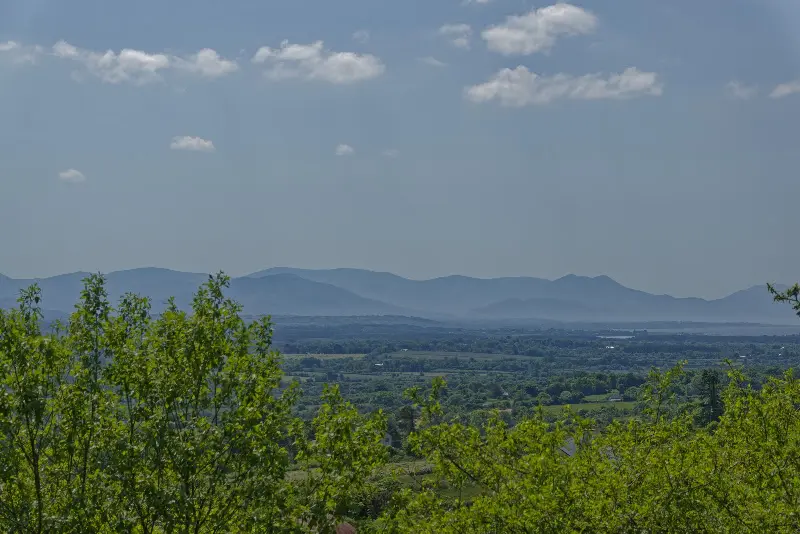
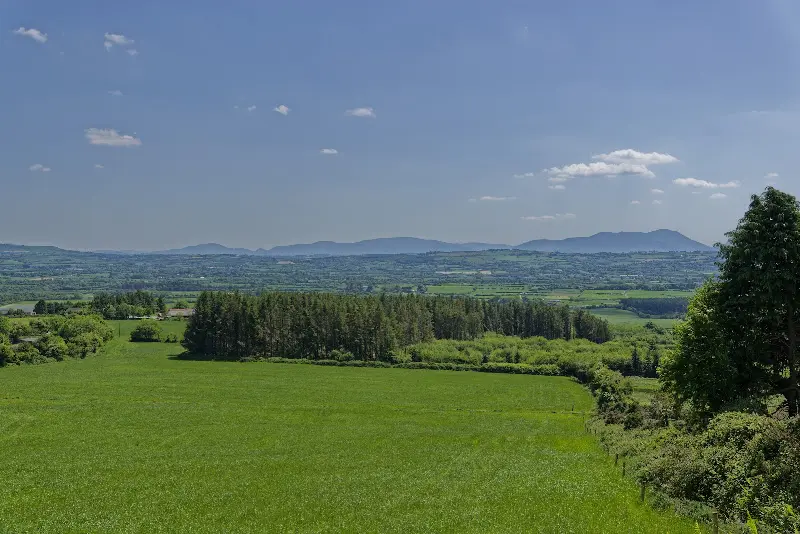
Killarney
Killarney is one of Ireland’s best-known tourist towns, situated in County Kerry in the south-west of the country. It lies beside the Lakes of Killarney and at the edge of Killarney National Park, with mountains, woodland and water forming the landscape around the town. Its Irish name is Cill Airne, usually understood as “church of the sloes.” Because of its position on the Ring of Kerry and close to the Gap of Dunloe, Muckross, and the Kerry mountains, Killarney has long been a major base for visitors exploring this part of Ireland.
Tourism in Killarney has deep roots. The beauty of the lakes and mountains attracted travellers from the 18th and 19th centuries onwards, especially during the Romantic period, when wild and picturesque landscapes became fashionable. The arrival of the railway in the 19th century made the town much more accessible and helped establish it as a classic Irish resort. Queen Victoria’s visit to Muckross House in 1861 also added to the area’s fame, even if the costs of preparing for the visit caused serious financial strain for the Herbert family who owned the estate.
Killarney National Park, founded in 1932, was Ireland’s first national park. It includes the three main Lakes of Killarney — Lough Leane, Muckross Lake and Upper Lake — as well as oak woods, waterfalls, mountains and historic buildings. Muckross House, Muckross Abbey, Ross Castle and Torc Waterfall are among the best-known sights. The park is also important ecologically, with native oak and yew woodlands, red deer, and rare habitats linked to the mild, wet Atlantic climate.
Today Killarney is both beautiful and very busy, especially in the tourist season. The town has many hotels, restaurants, pubs, jaunting cars and tour buses, and it often feels like one of the main gateways into scenic Ireland. For a cyclist, the surrounding roads can mean wonderful views but also heavy traffic, particularly on popular routes. Still, the combination of lakes, mountains, old estates and national park scenery makes Killarney one of the defining stops in the south-west of Ireland.
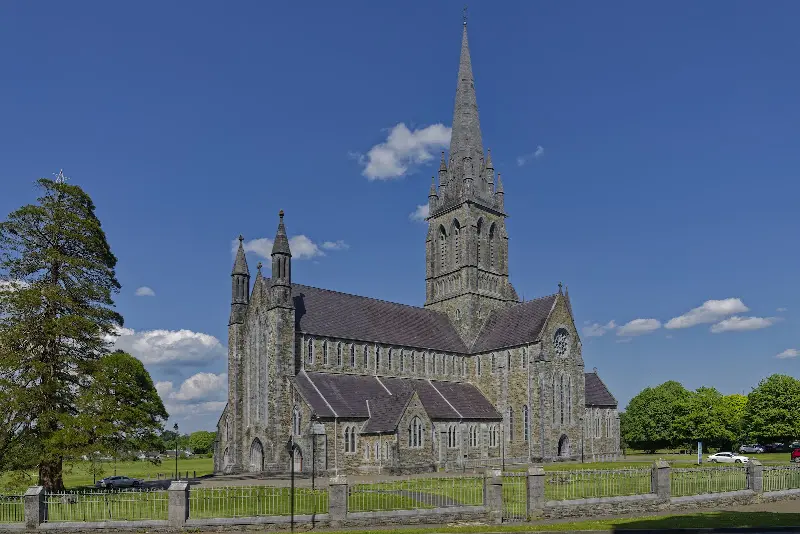
Wed May 27 - from Killarney to Skibbereen
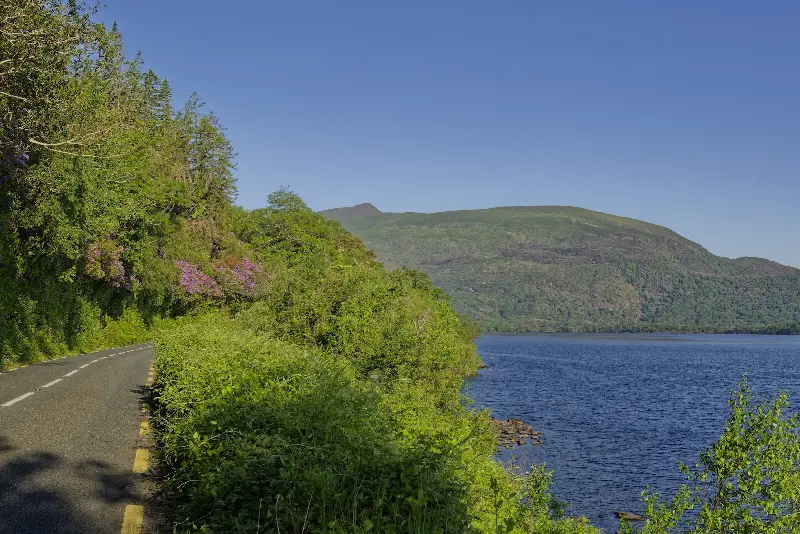
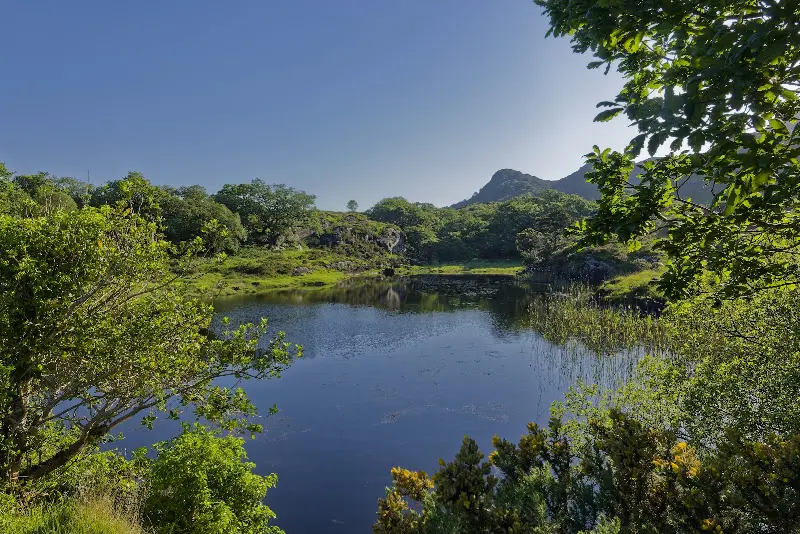
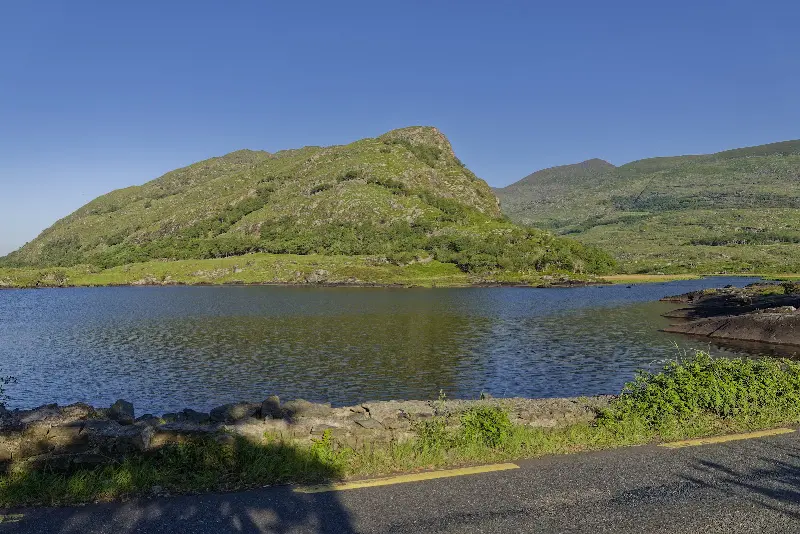
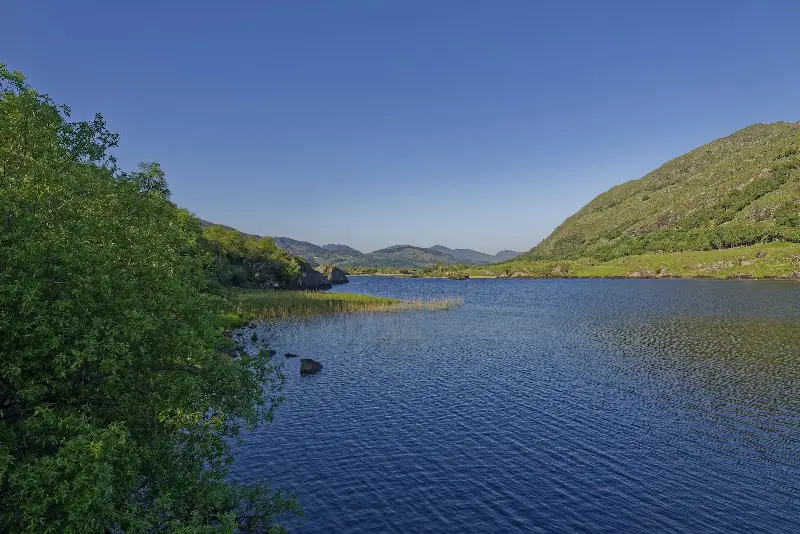
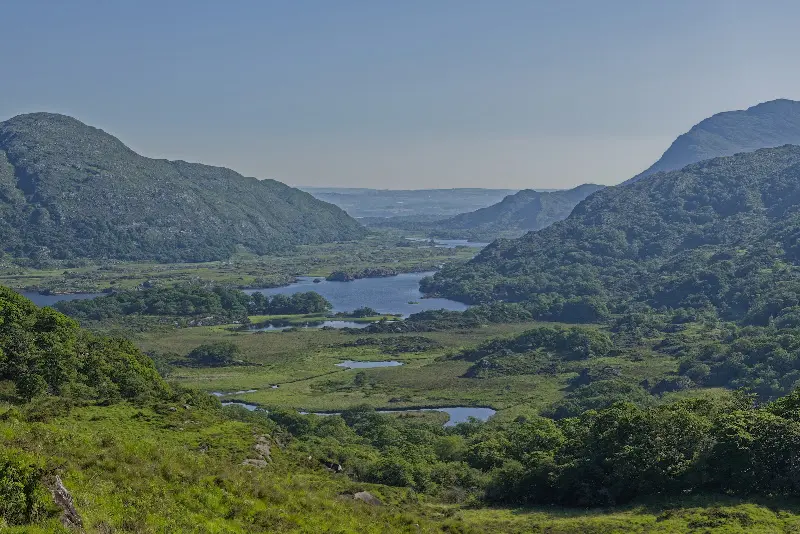
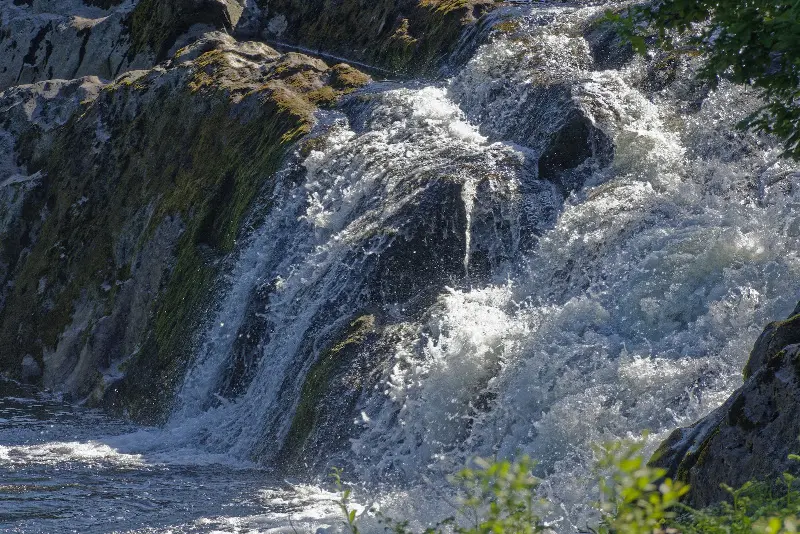
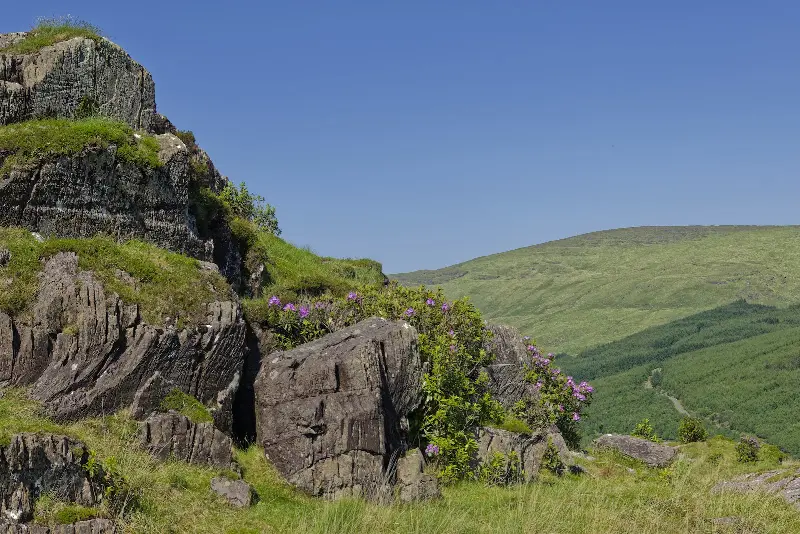
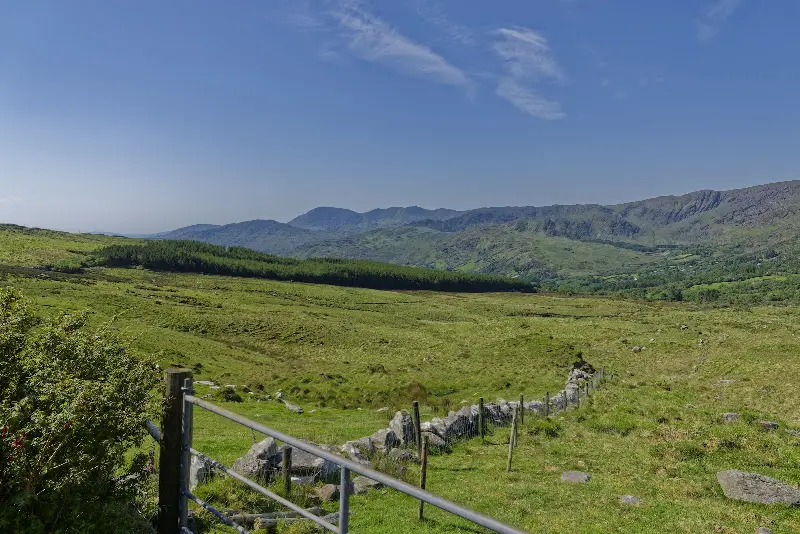
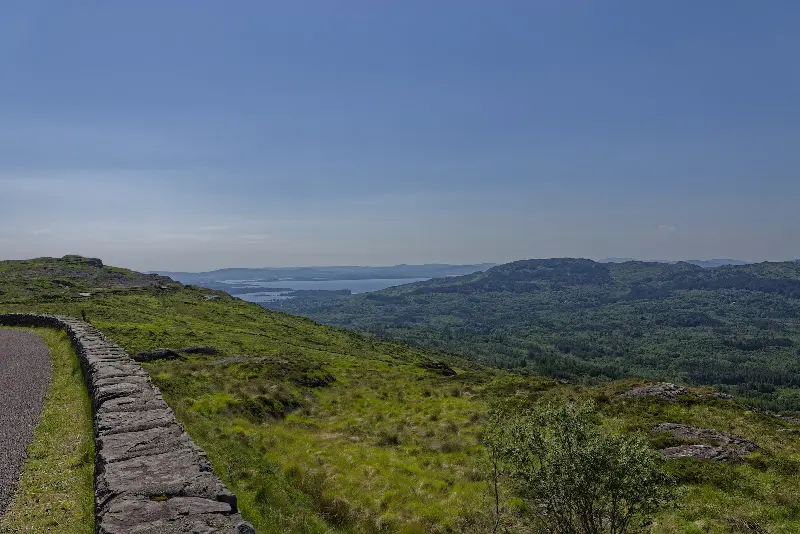
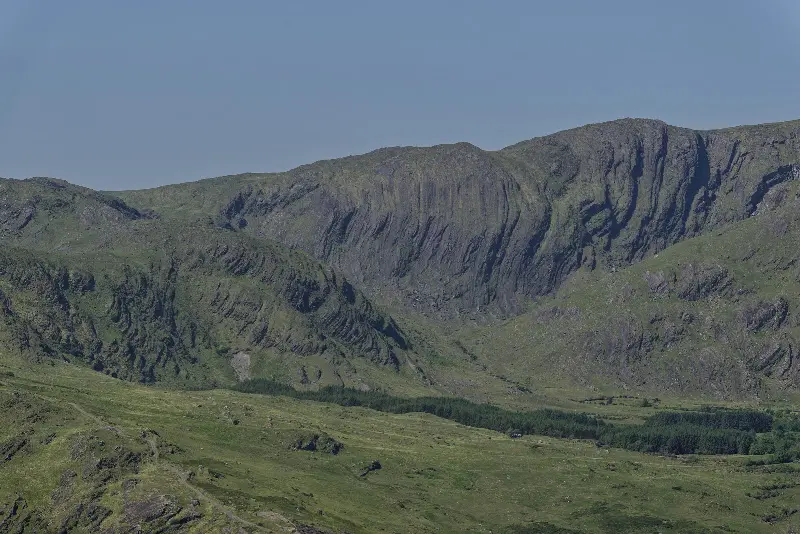
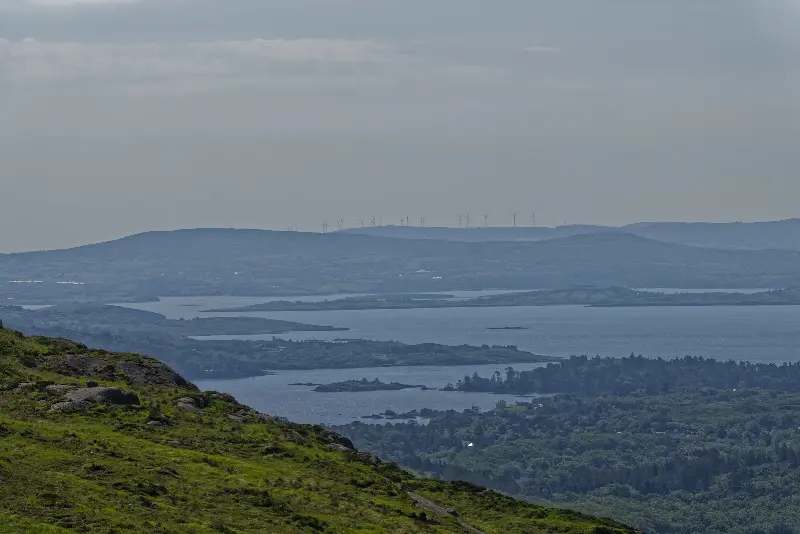
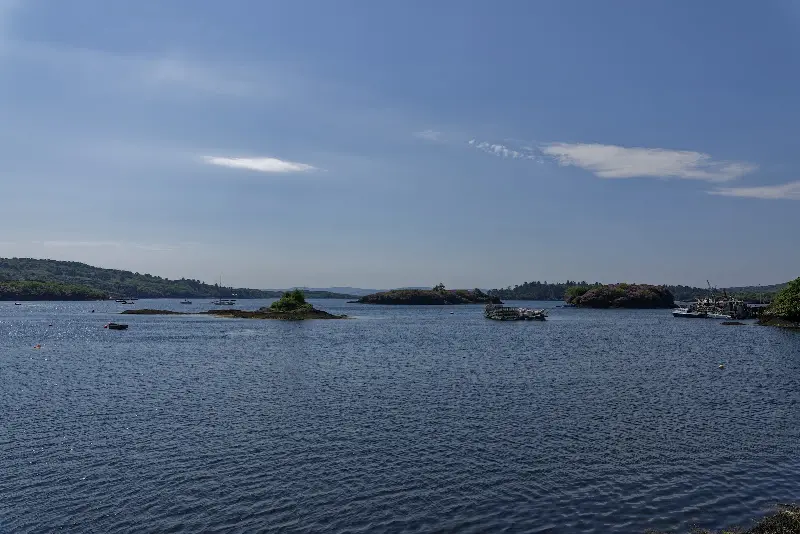
The early bird has fewer cars on the road. Since Killarney is known to be busy, I started early, and a few metres had to be climbed. First came Ladies View, then the lakes of Killarney and Kenmare, another climb to Glengarriff, then Bantry and Skibbereen. Mountains or hills, the sea, lakes, blue sky and green surroundings — not bad.
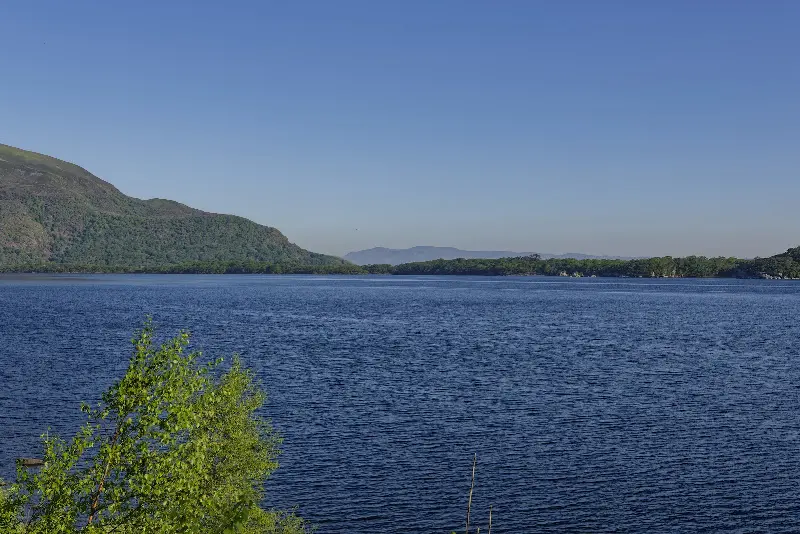
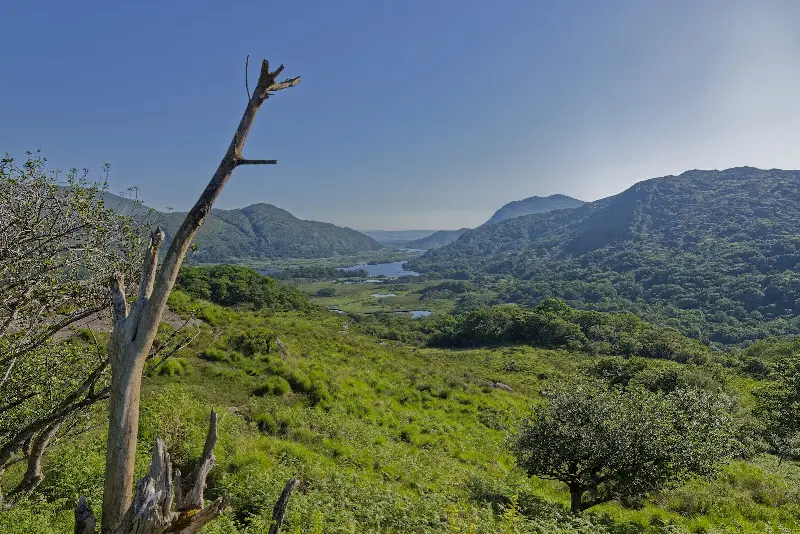
Ladies’ View
Ladies’ View is a famous viewpoint on the road from Killarney to Kenmare, overlooking the Lakes of Killarney and the surrounding mountains of Killarney National Park. It takes its name from Queen Victoria’s visit in 1861, when her ladies-in-waiting are said to have admired the view from this spot. For cyclists it is a noticeable climb out of Killarney, but the reward is one of the classic panoramas of County Kerry.
Kenmare, Glengarriff and Skibbereen
Kenmare is a small town in County Kerry, situated at the head of Kenmare Bay between the Ring of Kerry and the Beara Peninsula. It was founded as a planned town in the 17th century by Sir William Petty and later developed as a market and service centre for the surrounding rural area. With its colourful streets, stone buildings, pubs and position between mountains and sea, Kenmare is a popular stop for travellers moving between Killarney, the Ring of Kerry and West Cork.
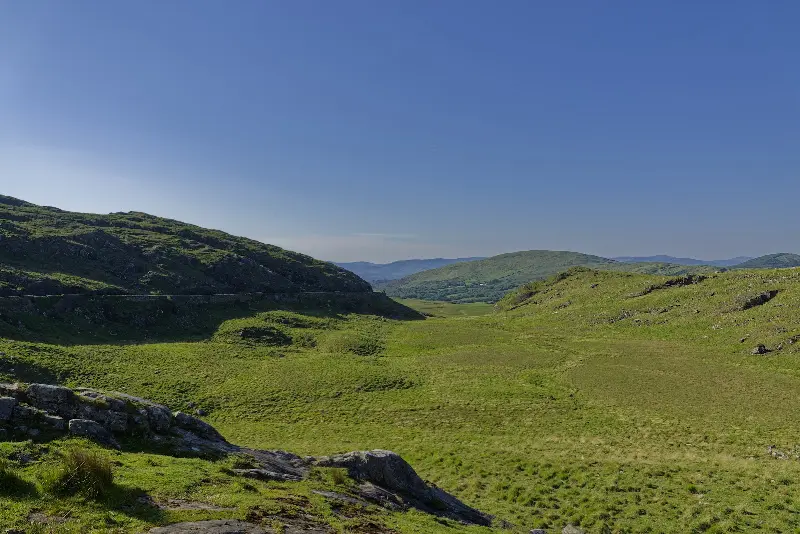
From Kenmare the road towards Glengarriff crosses into a landscape of hills, valleys and Atlantic inlets. Glengarriff, in County Cork, lies on Bantry Bay and is known for its mild, sheltered setting, influenced by the Gulf Stream. The area has rich vegetation, woodland and views towards the mountains and islands of the bay. It is also the departure point for boats to Garnish Island, famous for its gardens. For cyclists, the route between Kenmare and Glengarriff is memorable for its climbs, descents and changing views between Kerry and West Cork.
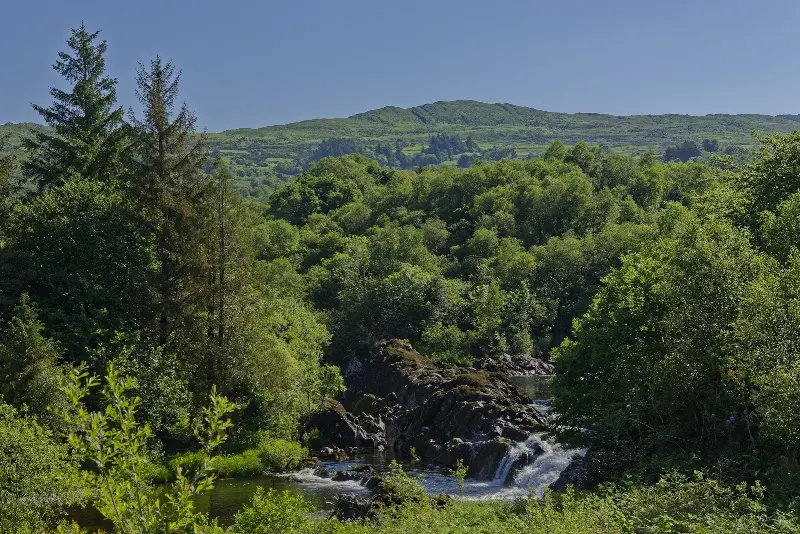
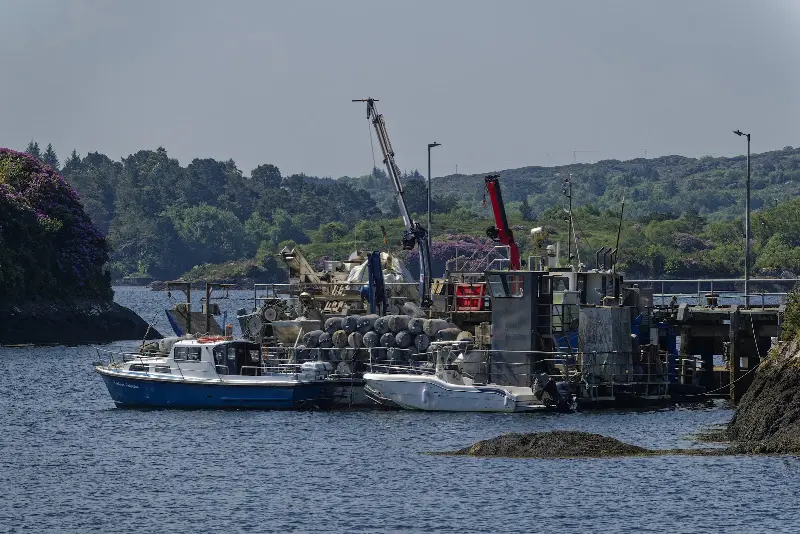
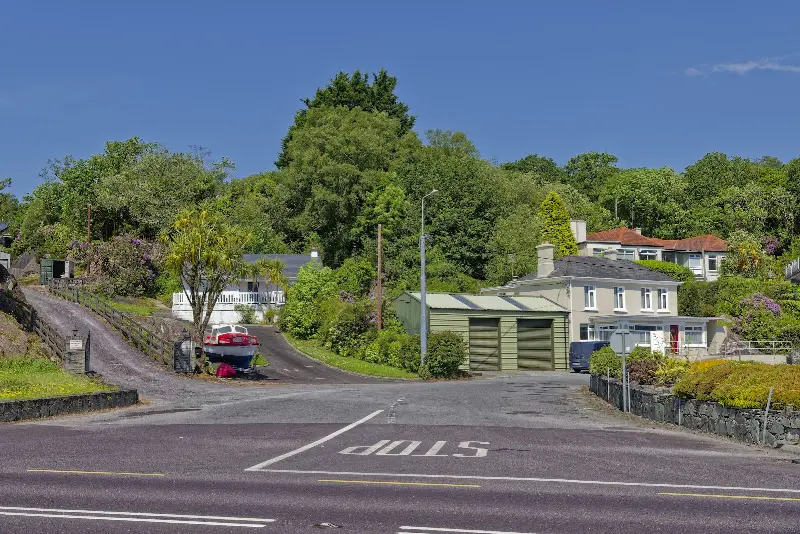
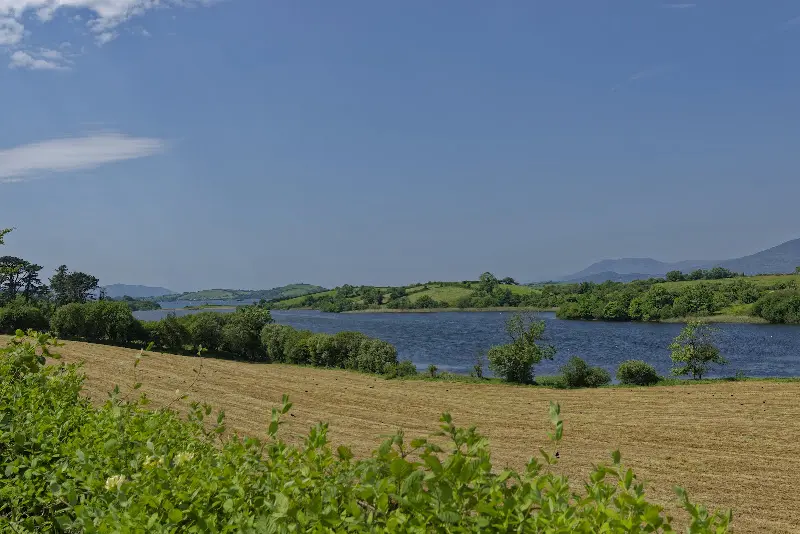
Skibbereen lies further east in West Cork, on the River Ilen. It is an important market town for the surrounding region and is strongly associated with the history of the Great Famine. The Skibbereen area was among the worst affected parts of Ireland in the 1840s, and the local heritage centre tells this story in detail. Today the town is also known as a gateway to the coast around Baltimore, Lough Hyne and the islands of Roaringwater Bay. Together, Kenmare, Glengarriff and Skibbereen mark a transition from the mountains of Kerry into the softer but still rugged landscapes of West Cork.
Thu May 28 - from Skibbereen to a home for (motor) cyclists
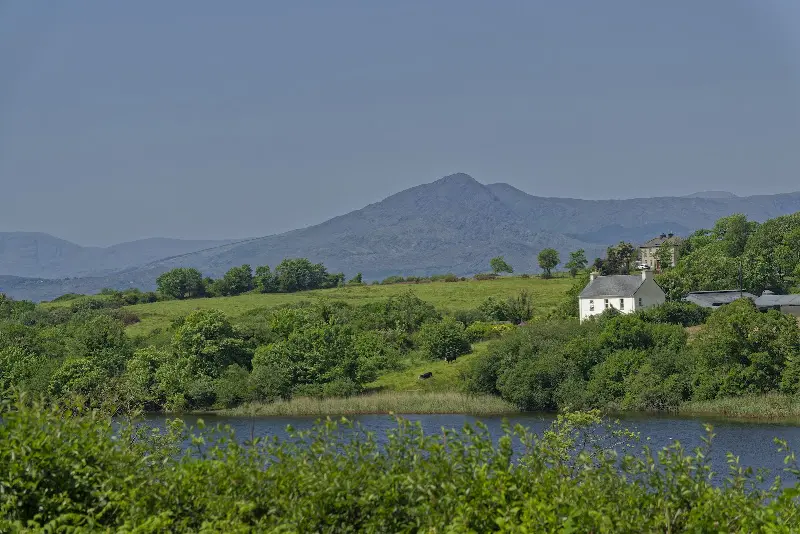
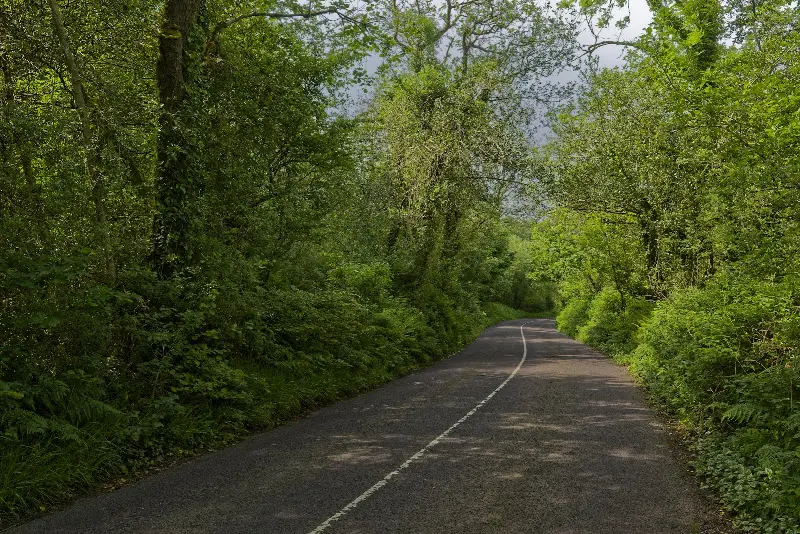
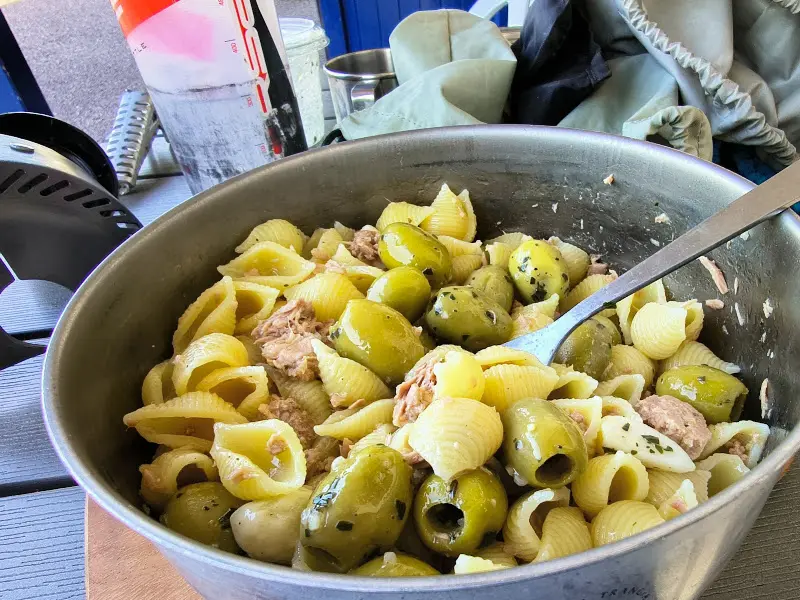
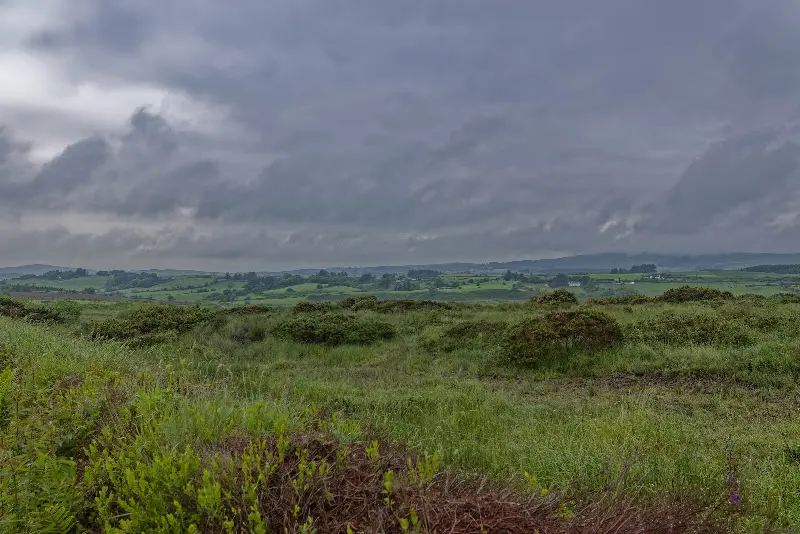
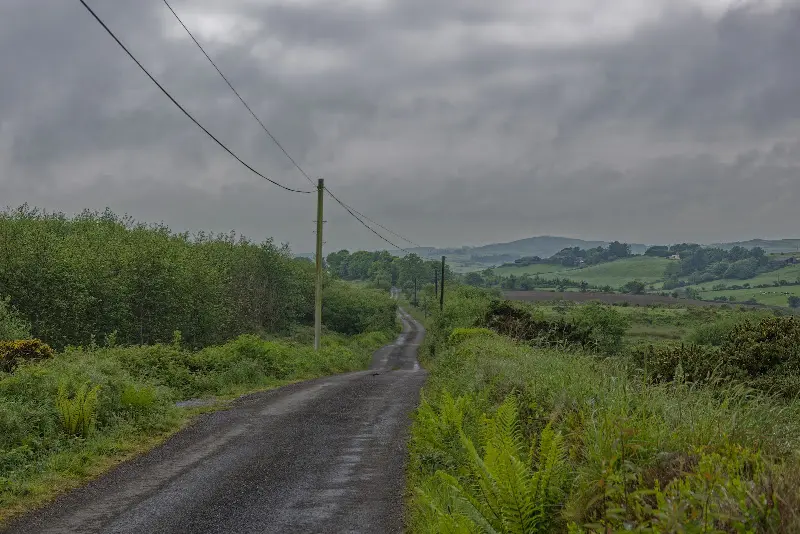
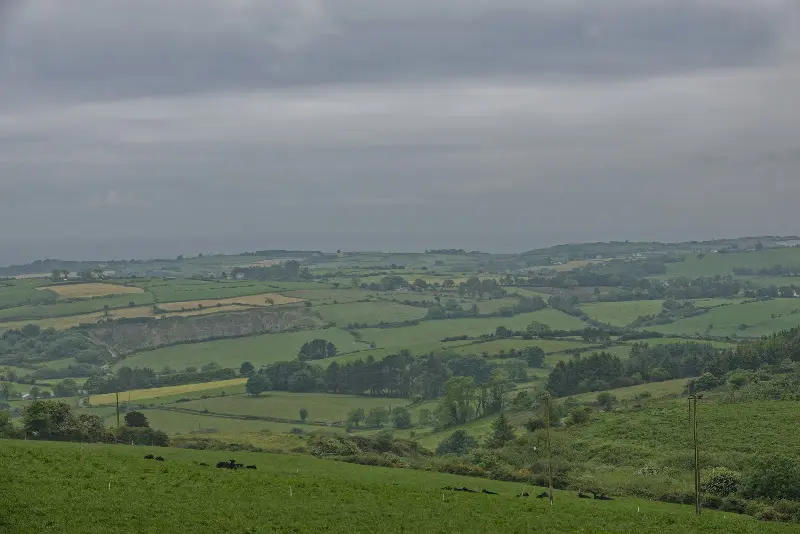
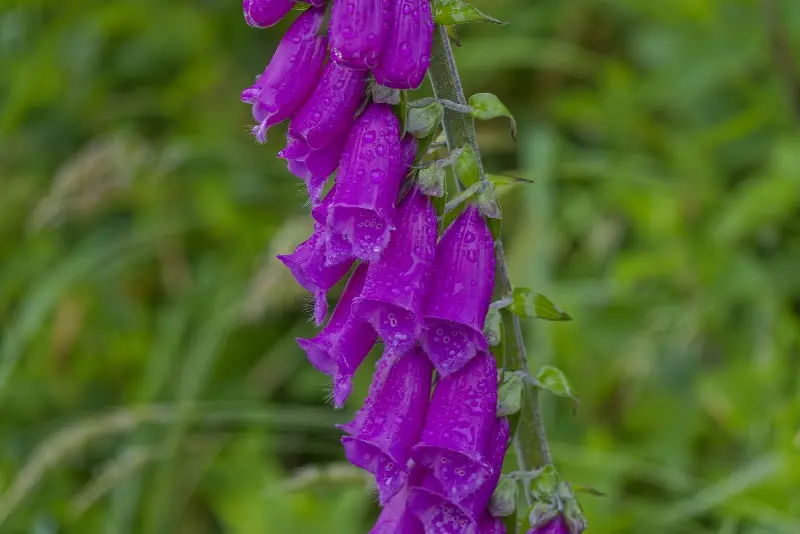
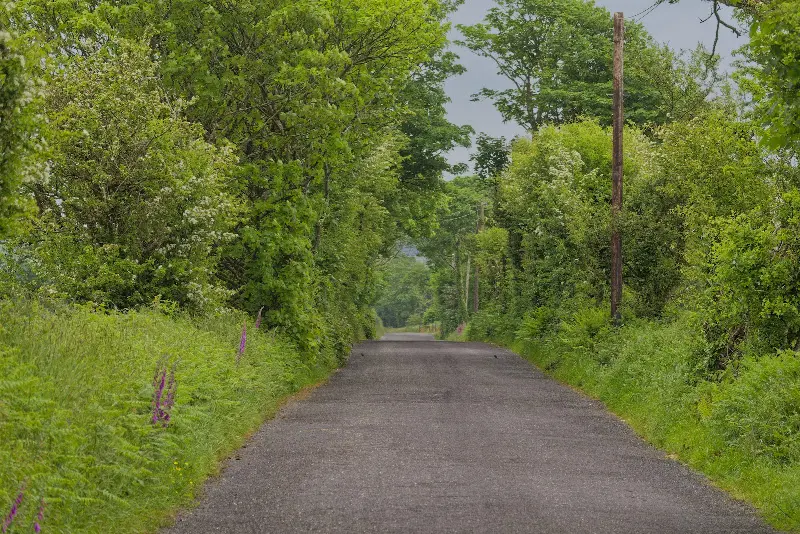
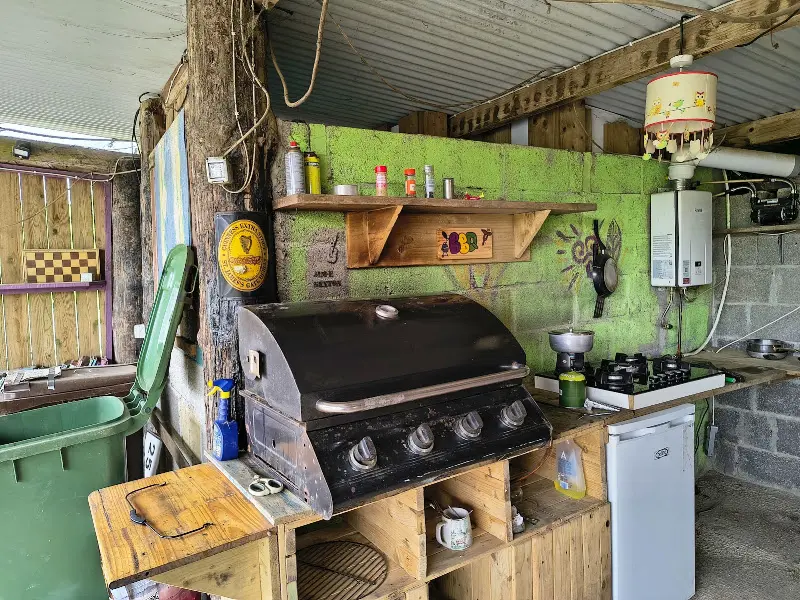
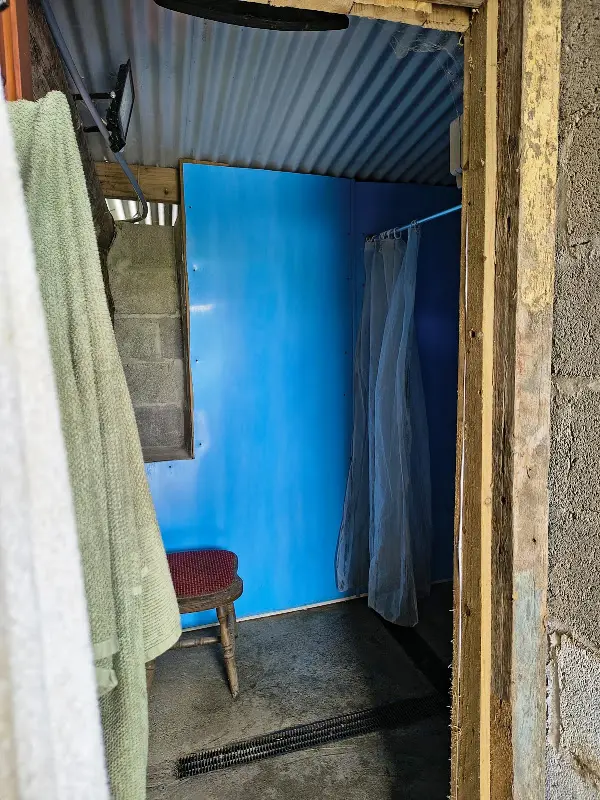
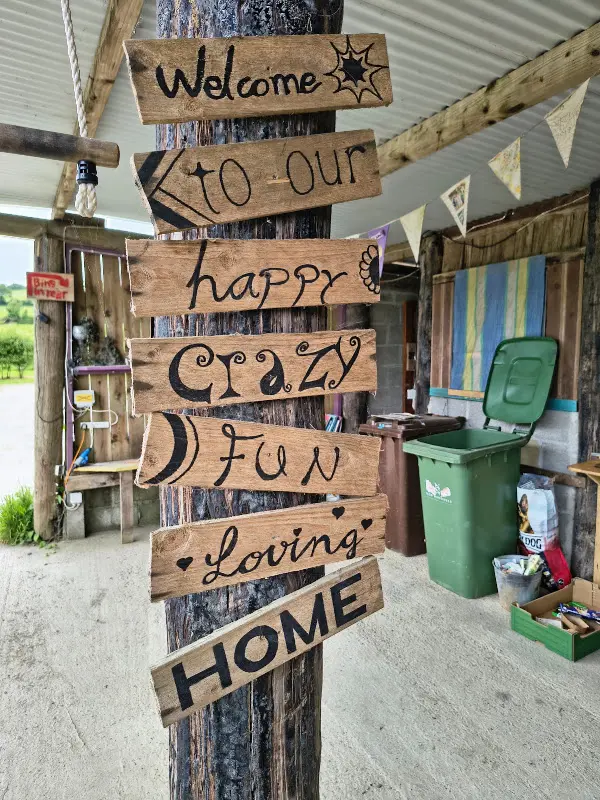
The day started with light rain. It was cloudy all day, so only a few pictures were taken. Rain again in Kinsale, so I stopped early and camped at a farm for motorcyclists.
Clonakilty, Michael Collins and Timoleague
Clonakilty is a lively market town in West Cork, close to the Atlantic coast and surrounded by rolling farmland, small roads and seaside villages. It is especially associated with Michael Collins, one of the central figures in Ireland’s struggle for independence. Collins was born in 1890 at Woodfield, near Sam’s Cross, a few kilometres outside Clonakilty. He became involved in Irish republican politics, took part in the 1916 Easter Rising, and later played a leading role in the Irish War of Independence as an organiser, intelligence leader and Minister for Finance in the revolutionary Dáil government.
Collins was one of the Irish delegates who negotiated the Anglo-Irish Treaty in 1921, which led to the creation of the Irish Free State but also split the independence movement and helped trigger the Irish Civil War. He became Chairman of the Provisional Government, but was killed in an ambush at Béal na Bláth, not far from Clonakilty, in August 1922, at the age of only 31. In Clonakilty today, his memory is kept alive through monuments, local history, and the Michael Collins House museum, which tells the story of his life, the revolutionary period and the complicated legacy of the Treaty.
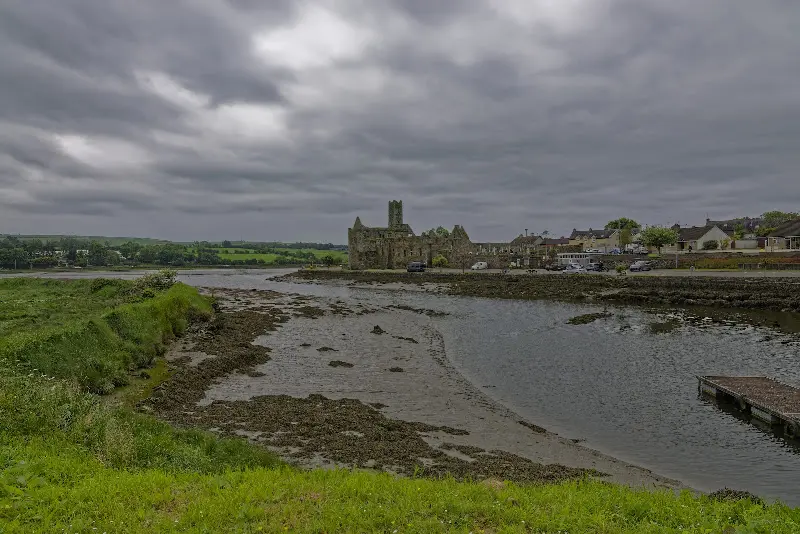
Further east along the West Cork coast lies Timoleague, a small village at the head of Courtmacsherry Bay. Its name comes from the Irish Tigh Molaga, meaning “house of Molaga,” referring to Saint Molaga, who is traditionally associated with an early monastic settlement here. The village is best known for the ruins of Timoleague Friary, a Franciscan foundation with medieval origins, standing in a striking position beside the water. The friary was expanded over the centuries, damaged during later conflicts, and eventually fell into ruin, but its walls, arches and tower still dominate the village.
Together, Clonakilty and Timoleague show two different sides of West Cork history: the modern revolutionary memory of Michael Collins and the older medieval and monastic landscape of coastal Ireland. For a cyclist, the area also offers the typical West Cork mixture of short climbs, sea inlets, green fields, stone ruins and small towns where national history and local geography are closely interwoven.
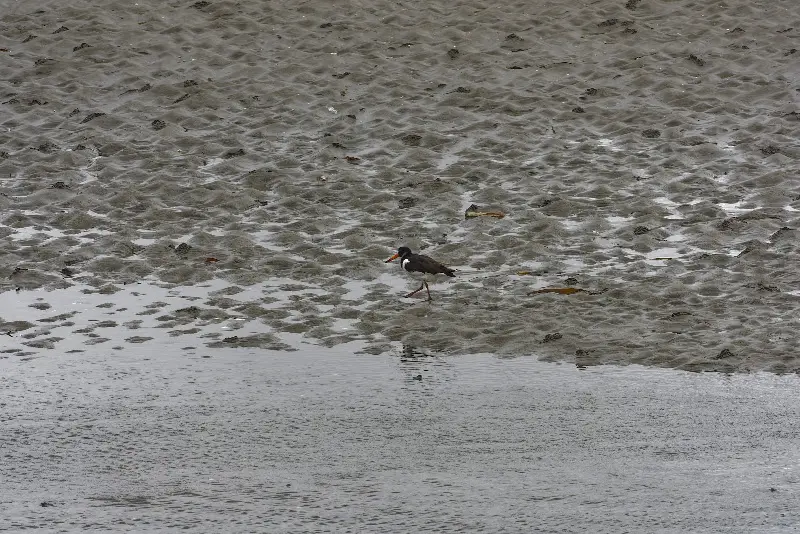
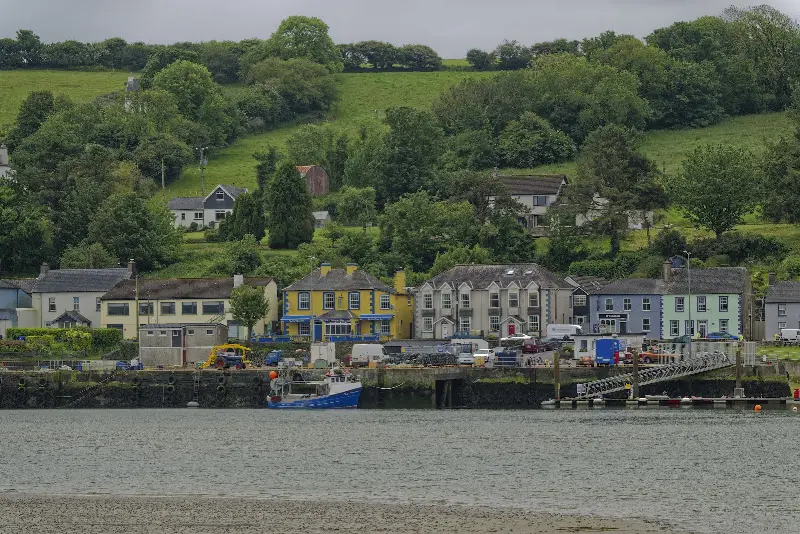
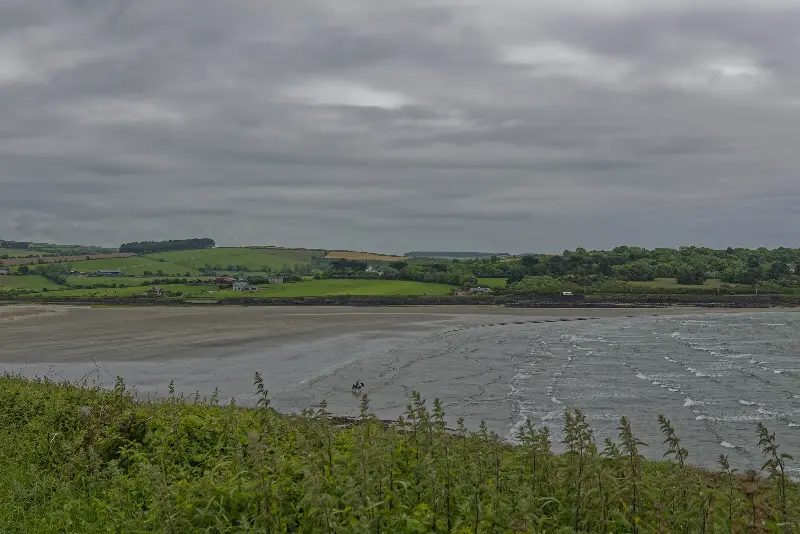
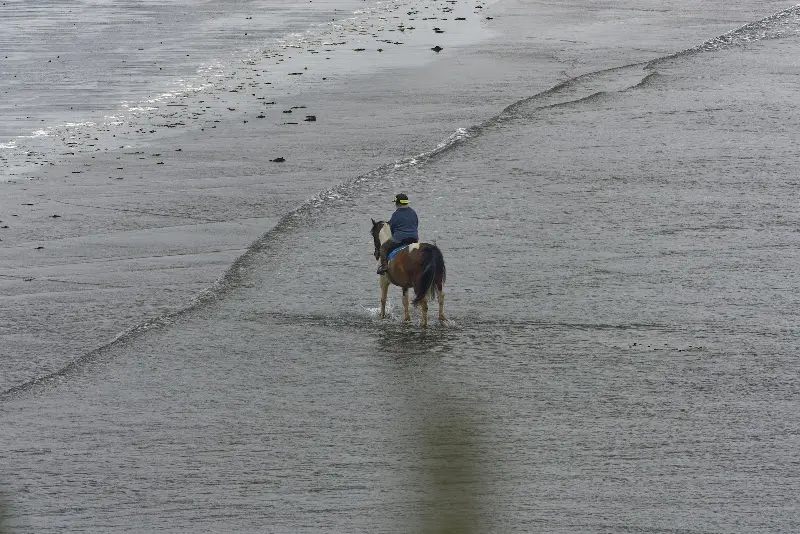
Kinsale
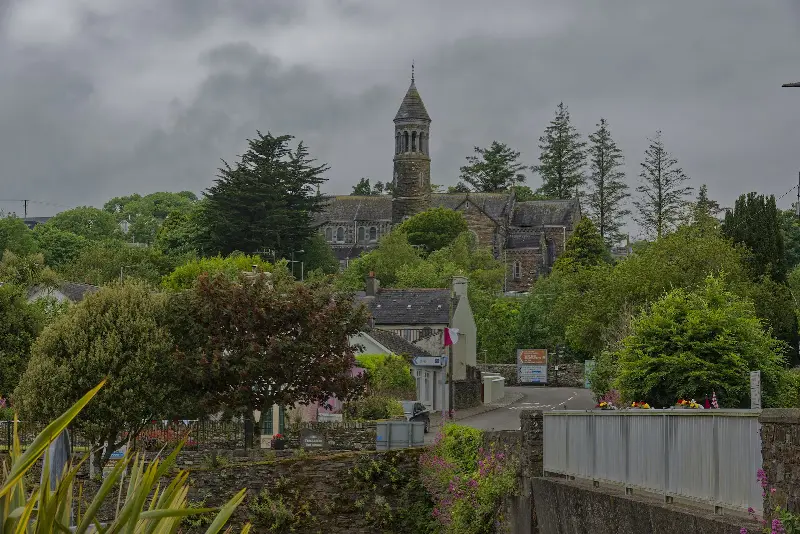
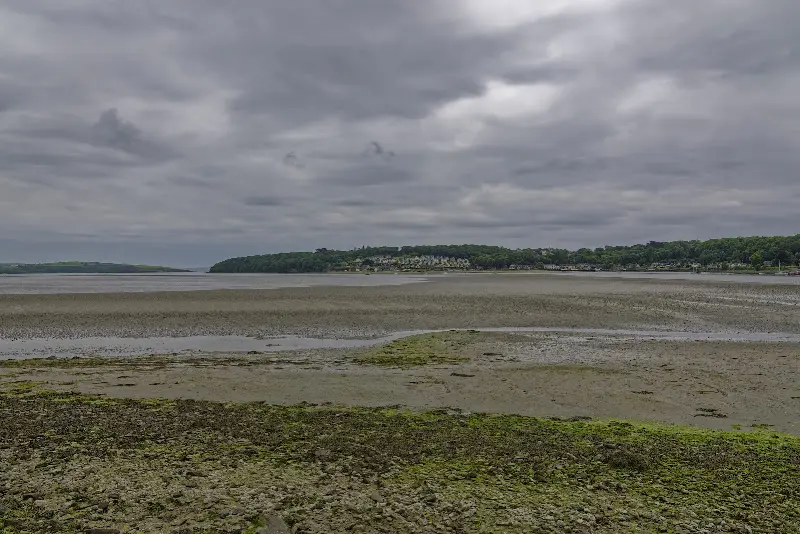
Kinsale is a historic harbour town in County Cork, set at the mouth of the River Bandon. Its sheltered harbour made it an important port for trade, fishing and naval activity, and the town played a major role in Irish history during the Battle of Kinsale in 1601–1602, a decisive conflict in the Nine Years’ War. The defeat of the Irish and Spanish forces there helped end Gaelic resistance to English rule.
Today Kinsale is known for its colourful streets, marina, restaurants and strong reputation for food. Its maritime past is still visible in the harbour, the narrow town centre and nearby fortifications such as Charles Fort and James Fort, built to defend the approaches from the sea. The town is also a popular starting or ending point for coastal routes through West Cork.
Fri May 29 - from Motofeirme to Dungarvan
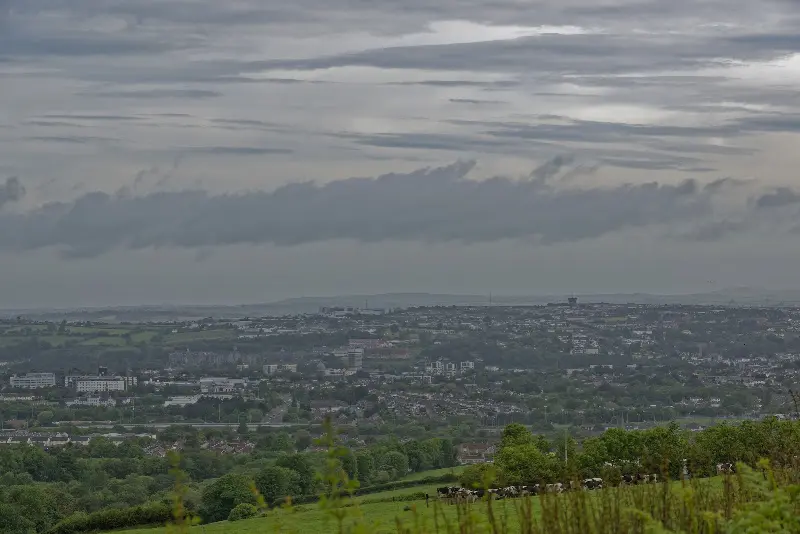
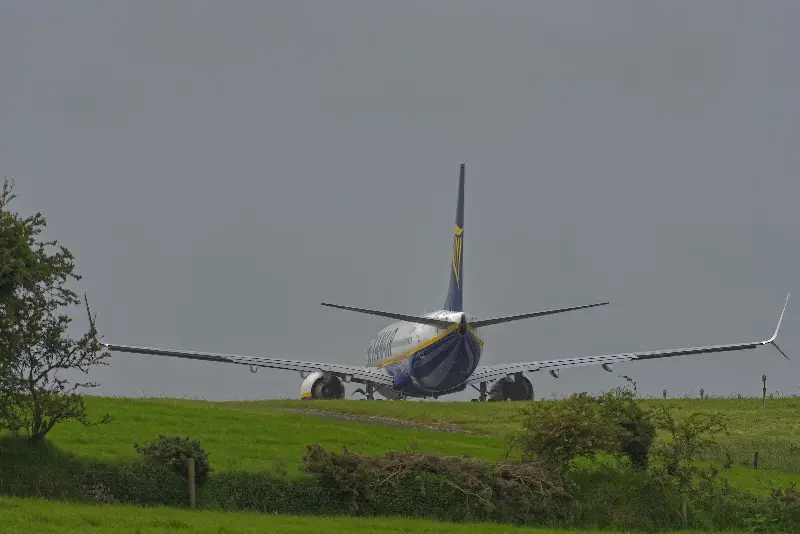
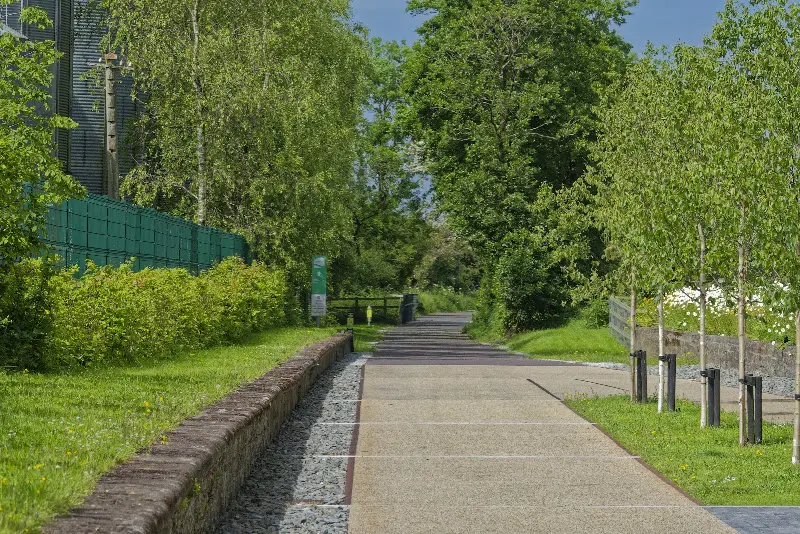
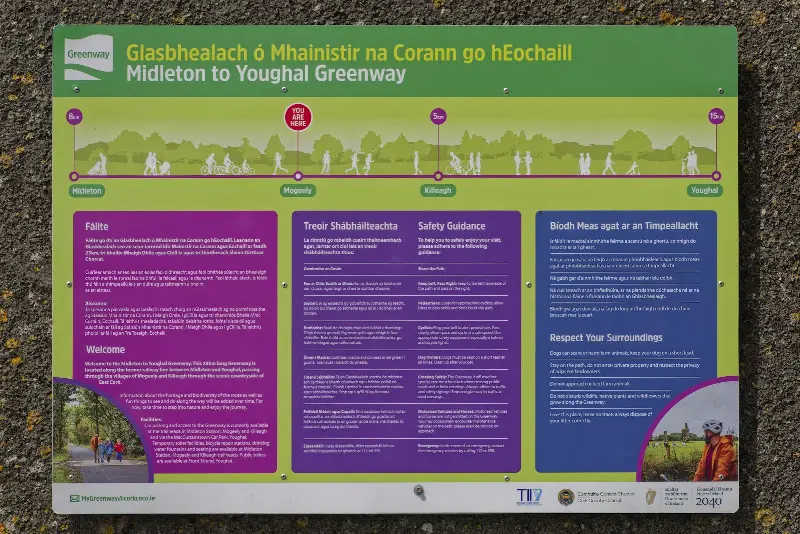
The day started cloudy. It was very hilly to Cork, passing by the airport. Cork itself seems to be built on seven hills, and I made the mistake of climbing them all. Later there was a nice greenway — an old railway track turned into a bike path — all the way to Youghal. For the rest I did not want to use the main road, so I tried some backcountry roads. They became steep, and even on the smallest roads here there is always traffic.
Cork
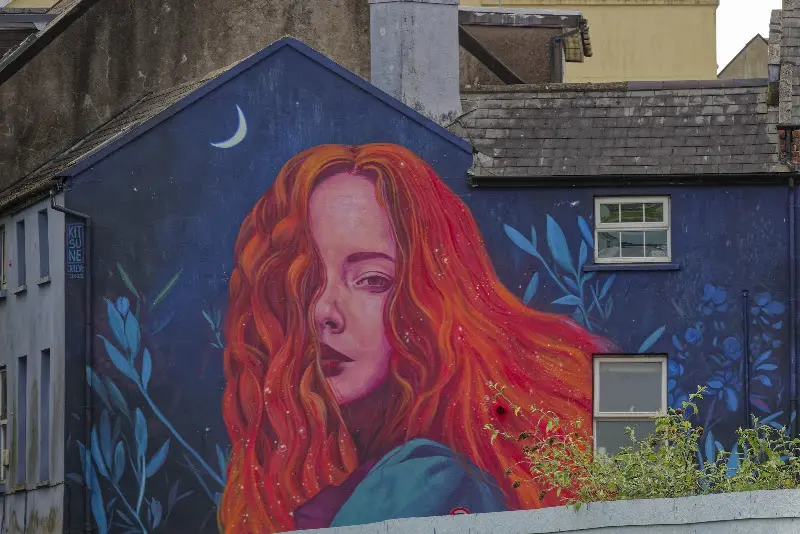
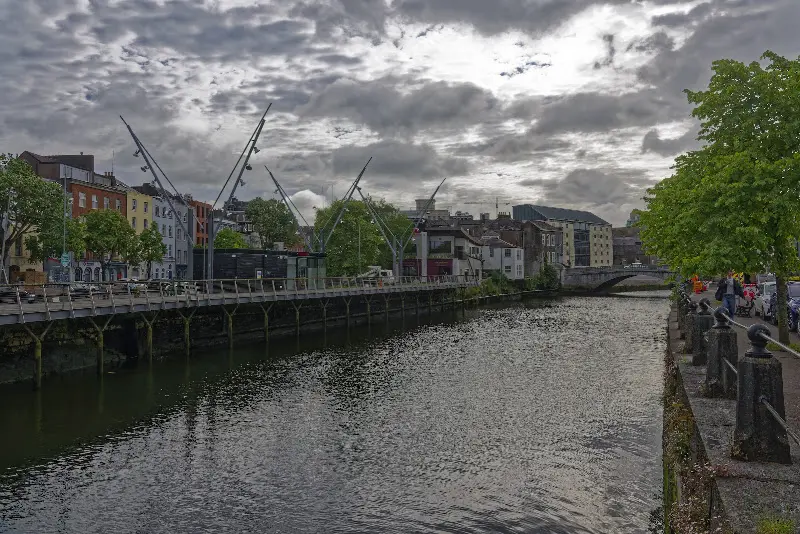
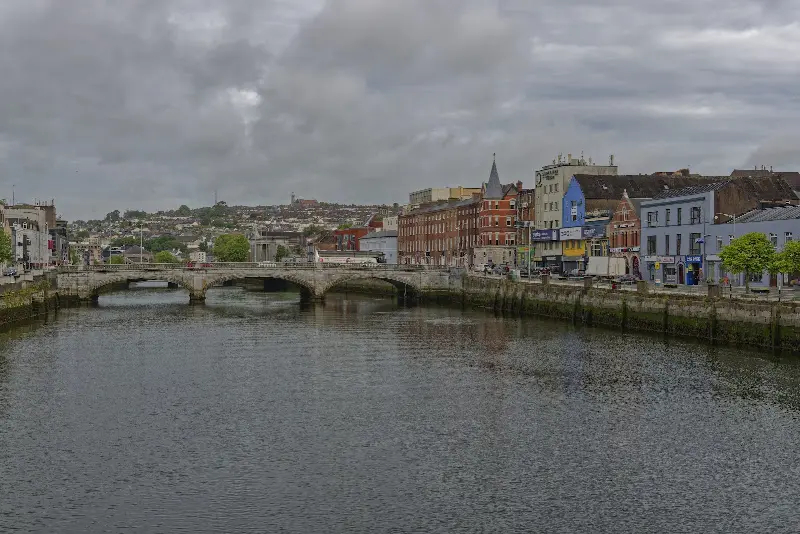
Cork is the largest city in the south of Ireland and the second-largest city in the Republic after Dublin. It stands on the River Lee, whose channels form an island at the centre of the city before flowing eastwards into Cork Harbour, one of the largest natural harbours in the world. The city’s Irish name is Corcaigh, meaning “marsh,” referring to the wetland setting from which the settlement developed. This geography still shapes Cork today: bridges, quays, steep streets and hills give the city a distinctive layout.
Cork began as an early monastic settlement, traditionally associated with Saint Finbarr in the 6th or 7th century. It later became an important Viking trading settlement and then a medieval walled town. Its position as a port made it a significant centre for trade with Britain, continental Europe and the Atlantic world. Over the centuries Cork developed strong commercial links through shipping, butter export, brewing, distilling and provisions for transatlantic trade. The English Market, with roots in the 18th century, remains one of the city’s best-known institutions and reflects this long food and trading tradition.
The city also has an important place in Irish political history. Cork was a centre of nationalist activity during the struggle for independence, and during the Irish War of Independence it became one of the most active areas of resistance. In December 1920, parts of the city centre were burned by British forces during the Burning of Cork, one of the major destructive episodes of the conflict. The city’s republican associations and its sometimes self-confident distance from Dublin contributed to Cork’s nickname as “the Rebel City.”
Architecturally and culturally, Cork has a rich mixture of old and new. St Fin Barre’s Cathedral, with its Gothic Revival design by William Burges, is one of the city’s major landmarks. Other important sites include Shandon with the Church of St Anne and its famous bells, University College Cork, the Crawford Art Gallery, Elizabeth Fort and the quays along the Lee. The city is also known for music, theatre, festivals, pubs and a strong local identity. For a cyclist, Cork can be memorable in a very physical way as well: it is a city of bridges, traffic and hills, and some streets seem determined to prove that it was not built with an easy route through it.
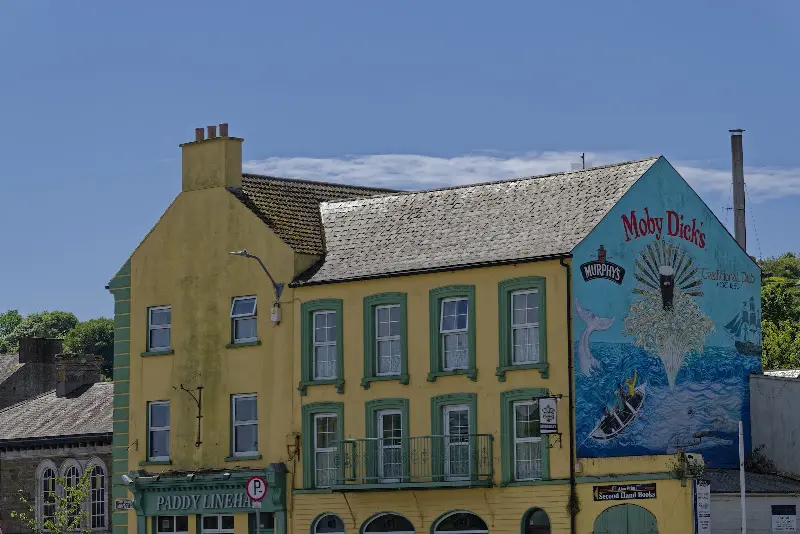
Youghal
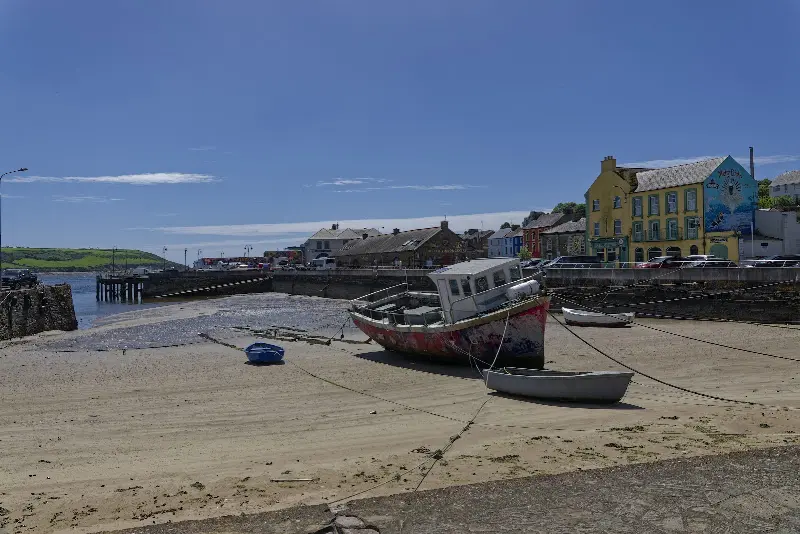
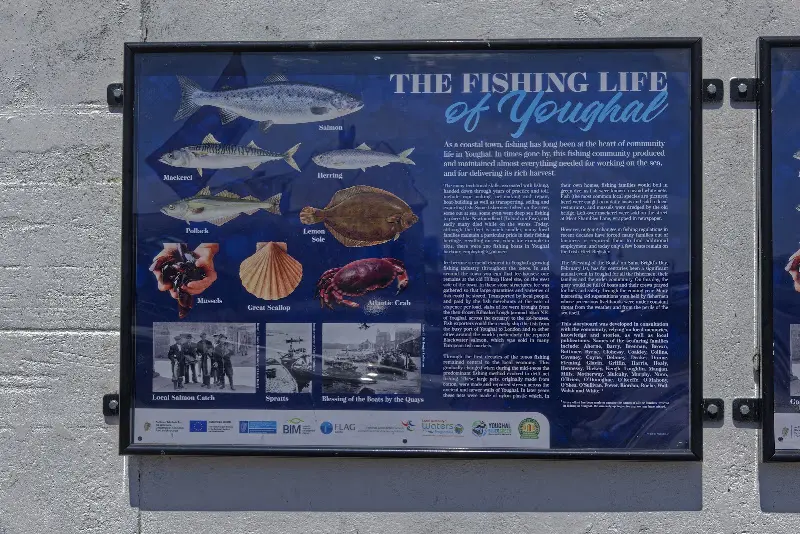
Youghal is a historic seaside town in east County Cork, standing at the mouth of the River Blackwater where it enters the sea. Its name comes from the Irish Eochaill, meaning “yew wood.” Because of its harbour and position on the south coast, Youghal was an important medieval and early modern port, trading with Britain and continental Europe. The town still preserves a strong sense of its past, with sections of medieval town walls, old gates, narrow streets and historic buildings.
One of Youghal’s most important landmarks is St Mary’s Collegiate Church, whose history goes back to the 13th century and which is one of the oldest churches in continuous use in Ireland. The town is also associated with Sir Walter Raleigh, who lived for a time at Myrtle Grove after receiving lands in Munster in the late 16th century. According to tradition, Raleigh helped popularise potatoes and tobacco in Ireland from here, though the details are wrapped in legend. Another notable building is the Clock Gate Tower, once part of the town’s defences and later used as a prison.
Youghal’s fortunes changed over time as trade patterns shifted and larger ports became dominant, but in the 19th and 20th centuries it developed as a seaside resort. Its long sandy beaches, promenade and position at the edge of east Cork made it popular with holidaymakers. More recently, the former railway line towards Midleton and Cork has been developed as a greenway route, giving cyclists and walkers a much quieter approach than the main road. This connection between old railway infrastructure and modern cycling makes Youghal a natural stop on a bike journey through the south coast.
Today Youghal combines harbour town, medieval heritage and seaside resort. It is less polished than some tourist towns, but that gives it a lived-in character. The river, sea, old walls and long strand all meet here, making it a useful and interesting transition point between County Cork and the road east towards Waterford.
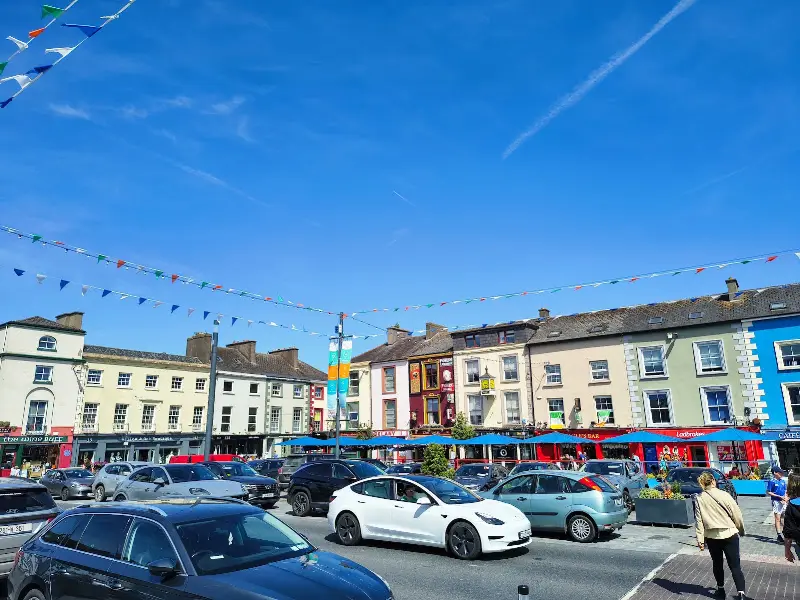
Dungarvan
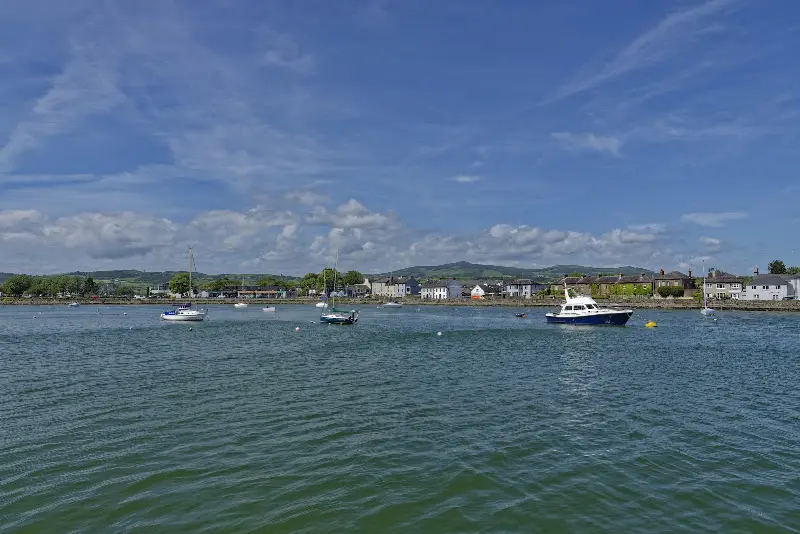
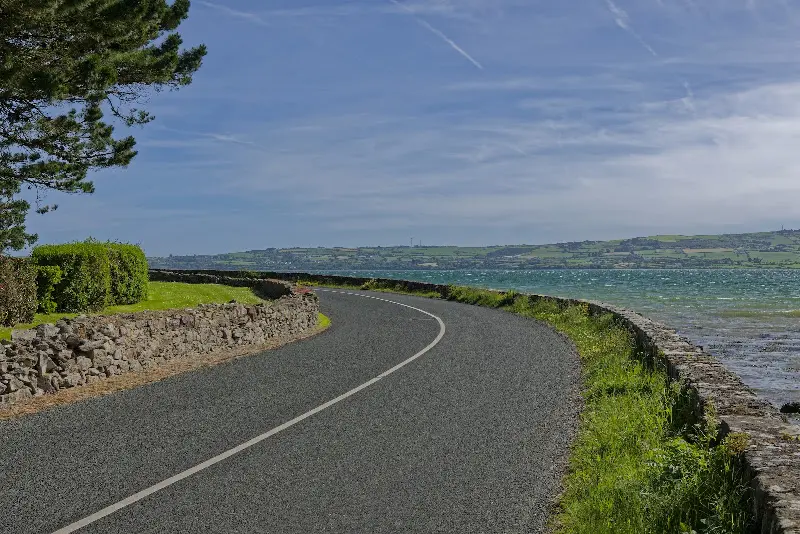
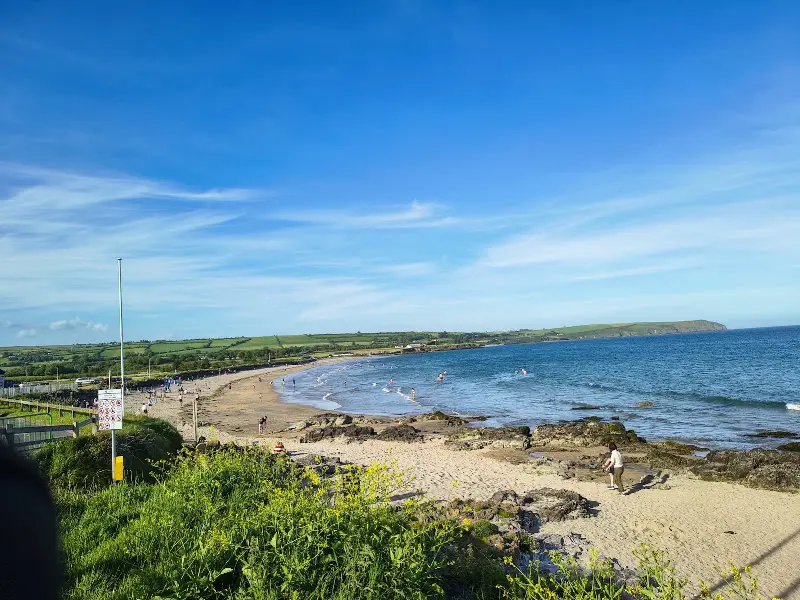
Dungarvan is a coastal town in County Waterford, situated at the mouth of the River Colligan where it opens into Dungarvan Harbour. Its Irish name is Dún Garbhán, meaning “Garbhán’s fort,” referring to an early saint or local figure traditionally associated with the place. The town has long been an important harbour, market and administrative centre for west Waterford, positioned between the Comeragh Mountains to the north and the sea to the south.
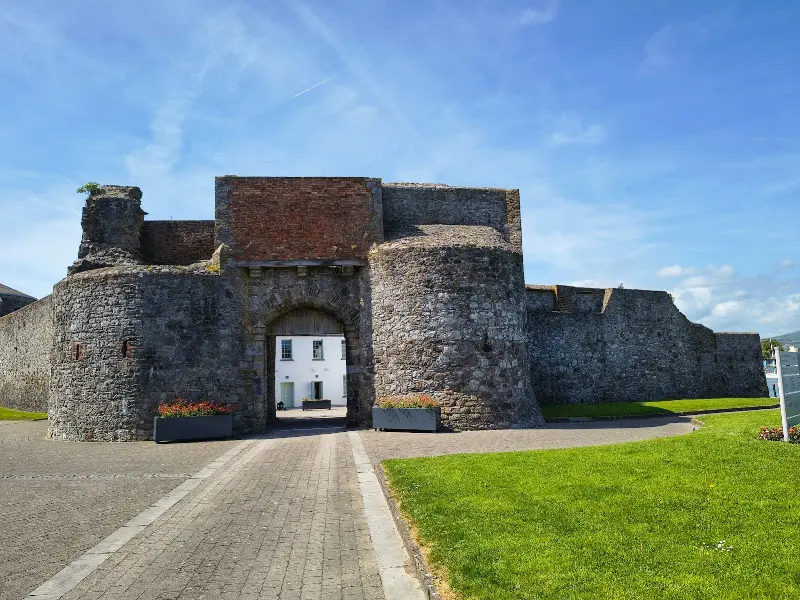
The town’s history is visible in Dungarvan Castle, also known as King John’s Castle, an Anglo-Norman fortification founded in the late 12th or early 13th century. It guarded the harbour and formed part of the wider network of Norman control in south-east Ireland. Later, Dungarvan developed as a trading and fishing port, with quays, warehouses and streets reflecting its maritime role. The harbour remains central to the town’s character, with mudflats, boats, sea birds and views across the bay.
In recent years Dungarvan has become especially well known as the western end of the Waterford Greenway. This 46 km cycling and walking route follows the former railway line between Dungarvan and Waterford, passing through cuttings, over viaducts, beside the coast and along the base of the Comeragh Mountains. For cyclists it is one of the most convenient and enjoyable stretches in the region: separated from motor traffic, gently graded, and full of changing views.
Dungarvan also has a strong food and visitor scene, with cafés, pubs, restaurants and harbour walks making it a popular stop on the south coast. Its setting gives it a good balance: small enough to feel manageable, but large enough to provide everything a traveller needs. For a bike tour, it is particularly memorable as the place where the road gives way to the easy rhythm of the greenway towards Waterford.
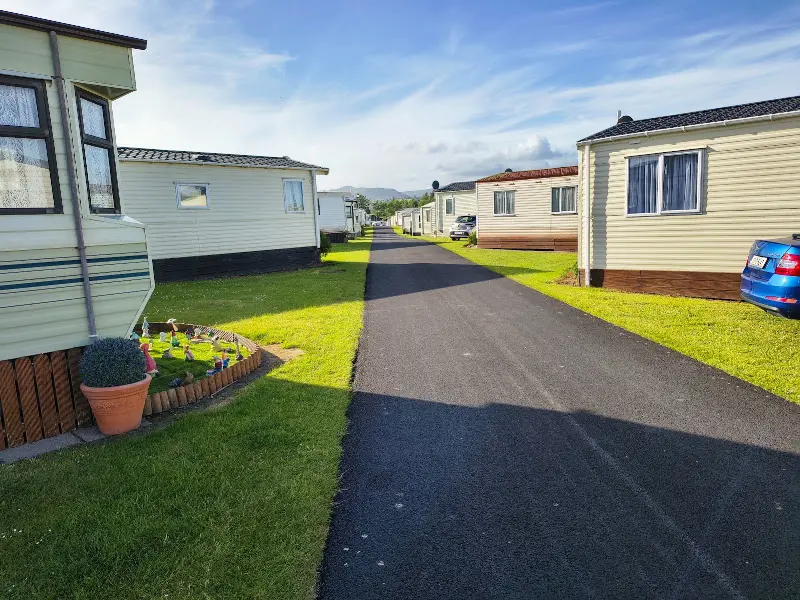
Sat May 30 - from Dungarvan to Kilkenny
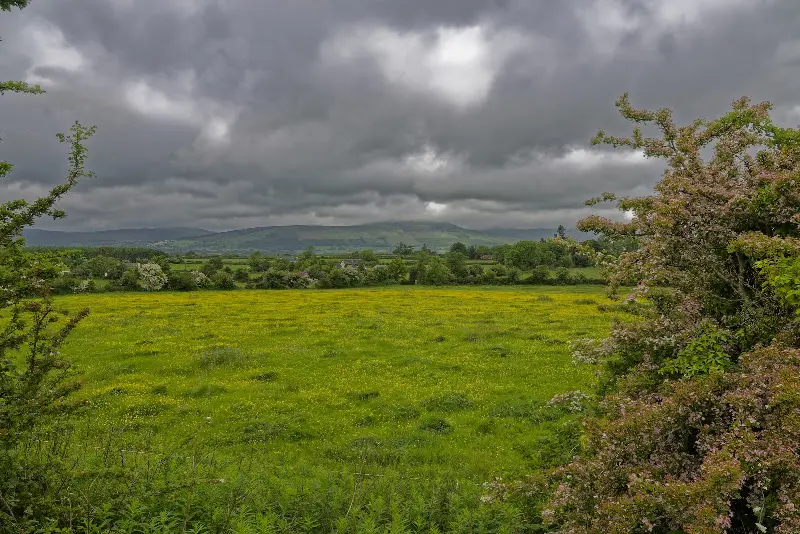
Clouds at the start, later some rain, then sunshine, then clouds again. The morning began with a surprise. I saw an advert for the Waterford Greenway — in German we would call it a Radschnellweg. It runs 48 km from Dungarvan right to Waterford. There were some ups and downs, but very gentle, as a train could manage. From Waterford I used R-roads to Kilkenny: some more hills, but manageable. Because of the bank holiday weekend, the campsite tonight is very busy too.
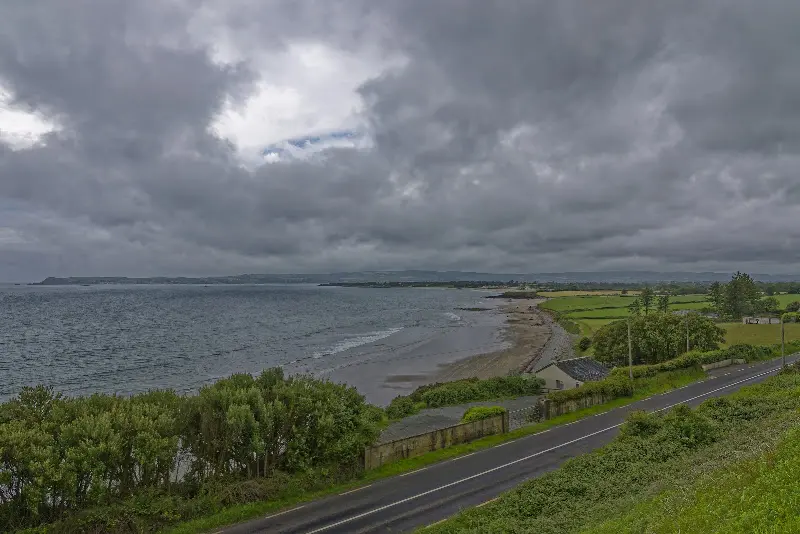
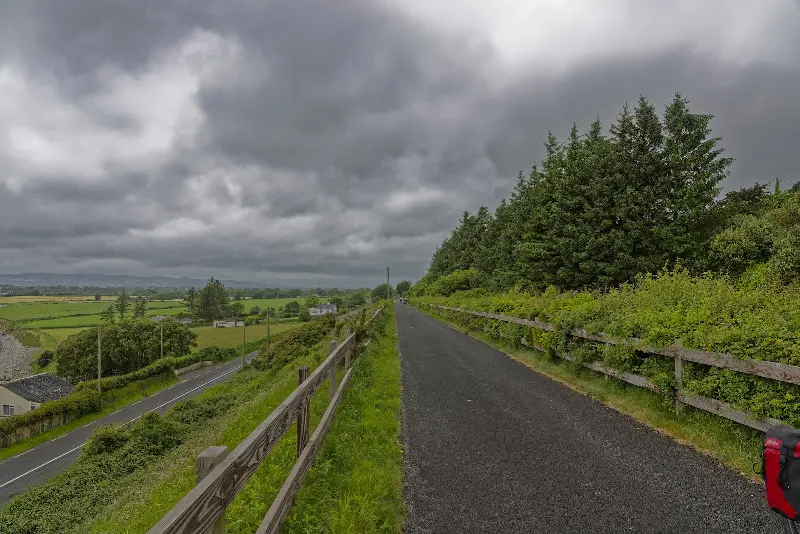
Waterford Greenway
The Waterford Greenway is one of Ireland’s best-known cycling and walking routes, running for about 46 km between Dungarvan and Waterford City. It follows the trackbed of the former railway line, which once linked Waterford with Dungarvan and later closed in the 20th century. Reopened as a greenway in 2017, the route is completely off-road and gently graded, making it a rare stretch where cyclists can move through the landscape without constantly negotiating traffic.
The route passes through a varied landscape of coast, countryside, river valleys and mountain views. From Dungarvan it runs past the causeway and along the coast before heading inland through cuttings, old railway embankments and small settlements. Among its most memorable features are the Ballyvoyle Tunnel, around 400 metres long and now illuminated, and several viaducts, including the impressive structures near Ballyvoyle and Kilmacthomas. On clear stretches the Comeragh Mountains form a strong backdrop, while nearer the coast there are views towards the Copper Coast.
Kilmacthomas, roughly halfway along the route, has become a popular stopping point, with cafés and services for walkers and cyclists. Near the Waterford end, the greenway also passes close to Mount Congreve Gardens, one of Ireland’s notable garden estates. The line then continues towards Waterford City, where the River Suir and the old port city bring the ride back into an urban setting.
For a touring cyclist, the Waterford Greenway is a welcome contrast to the small but busy Irish roads. It offers almost fifty kilometres of calm, steady riding on an old railway alignment: no steep gradients, no cars, and enough bridges, tunnels and views to make it much more than just a practical shortcut.
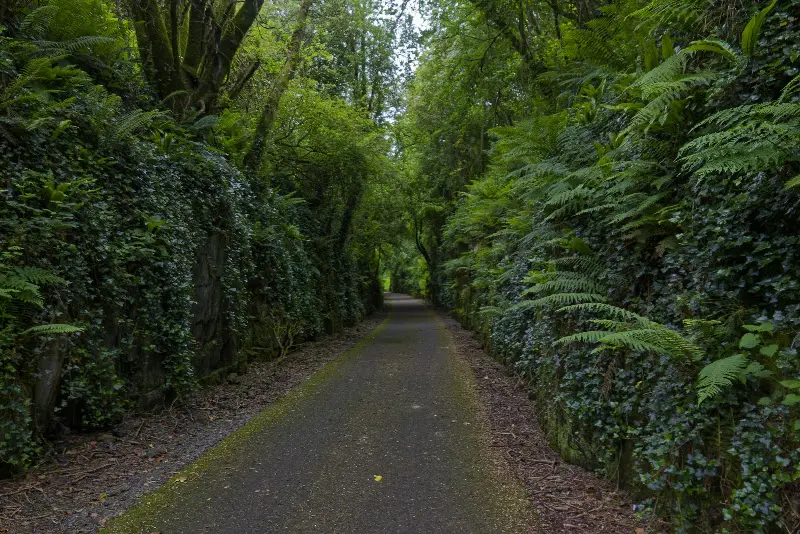
Waterford
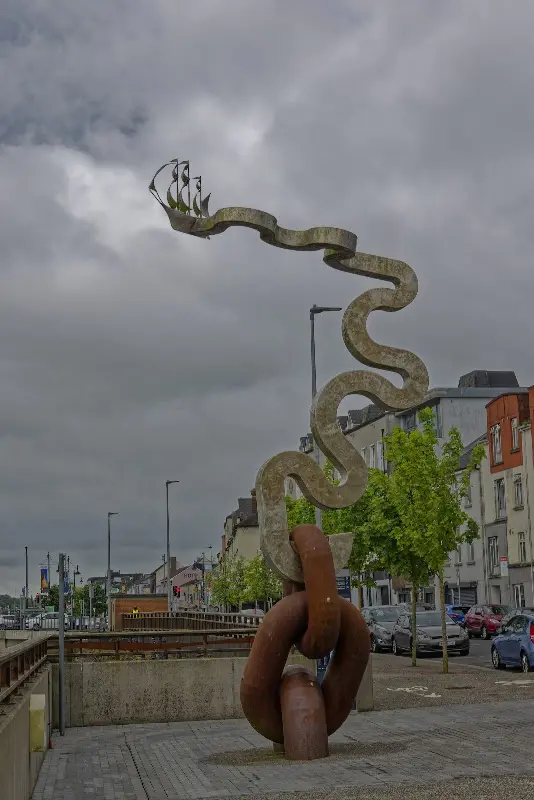
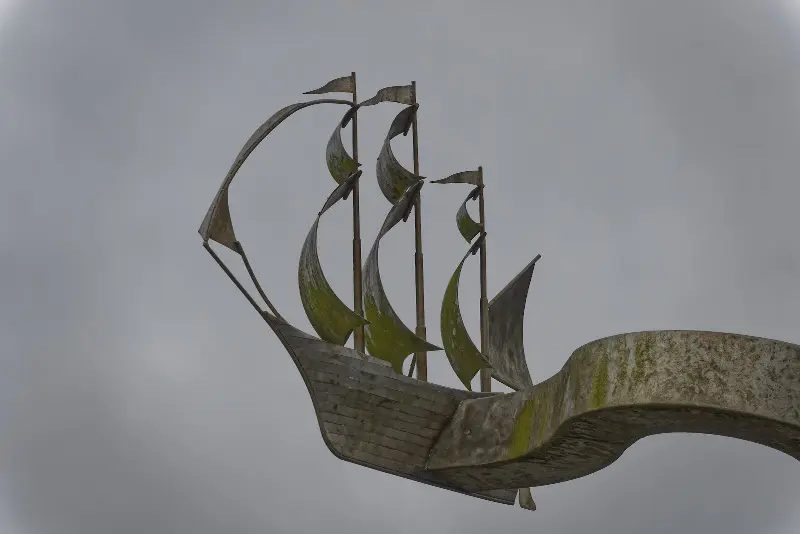
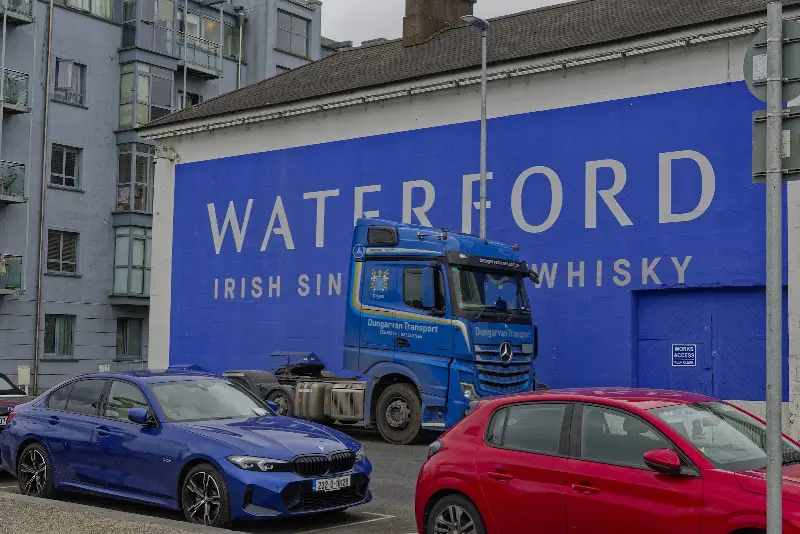
Waterford is a historic port city in the south-east of Ireland, situated on the River Suir near the point where the river opens towards Waterford Harbour. It is the oldest city in Ireland, founded by Vikings in 914, and its name comes from Old Norse, usually interpreted as meaning a windy or sheltered fjord. The city’s position on navigable water made it an important trading centre from the Viking period through the medieval and early modern centuries.
The best-known historic area is the Viking Triangle, the old core of the city where several major heritage sites are concentrated. Reginald’s Tower, originally part of the city’s defences, is one of Ireland’s most important medieval urban monuments and stands on the site of earlier Viking fortifications. Nearby are the Medieval Museum, the Bishop’s Palace and Christ Church Cathedral, forming a compact group that tells much of Waterford’s long history. The city walls, narrow streets and quays reflect its role as a fortified port and trading town.
Waterford is also famous for glassmaking. Waterford Crystal was founded in the 18th century and became internationally known for high-quality cut glass. Although the original industry went through major changes and difficulties in modern times, the name remains closely associated with the city, and the House of Waterford Crystal continues to demonstrate glassmaking and attract visitors. This craft tradition is one of the main reasons Waterford is known far beyond Ireland.
In later centuries Waterford remained an important port and commercial centre, linked to trade, ship traffic, agriculture and industry in the south-east. Today it is the main city of the region, with cultural festivals, museums, shops, cafés and a growing reputation for heritage tourism. For cyclists, Waterford is also the eastern end of the Waterford Greenway, making it a natural point between the traffic-free railway route from Dungarvan and the roads north towards Kilkenny or east towards the coast.
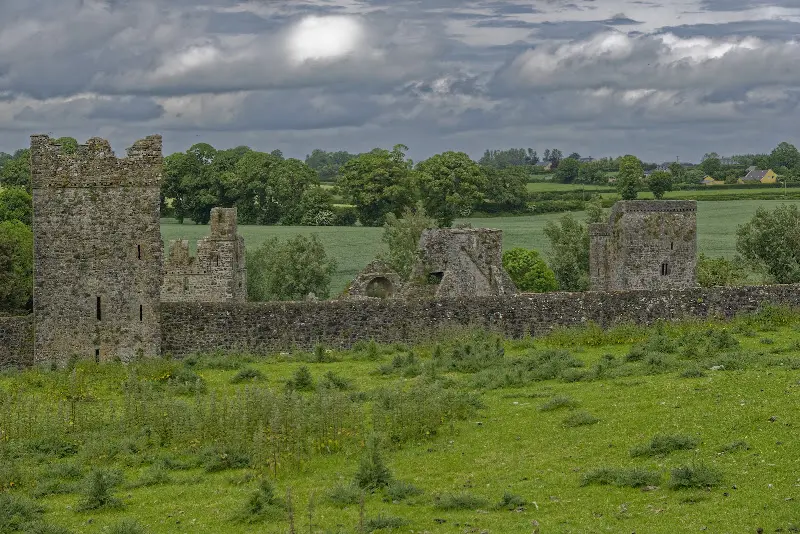
Kells Priory
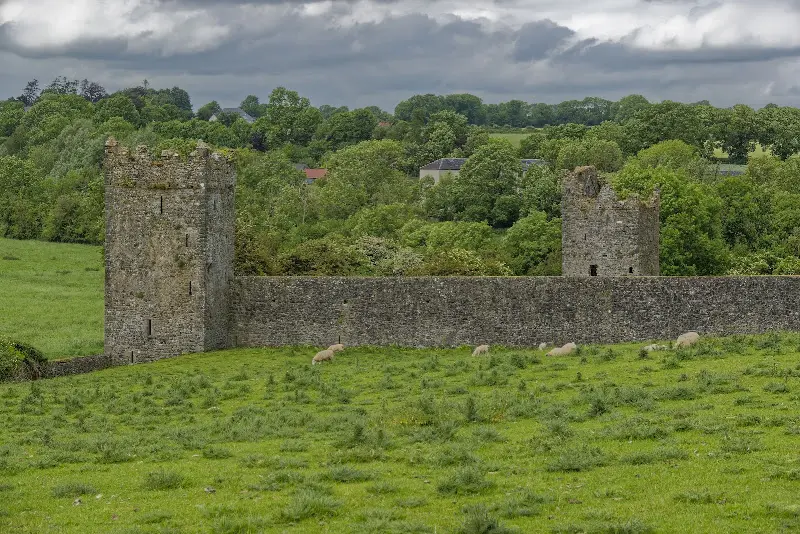
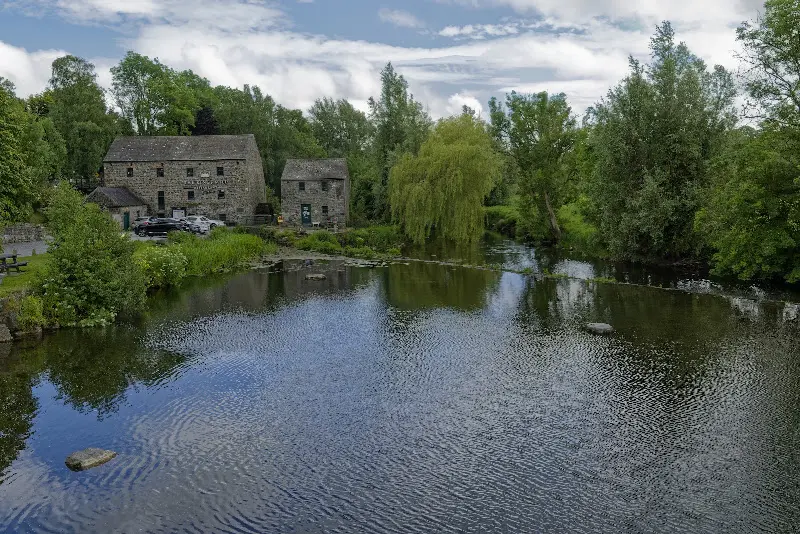
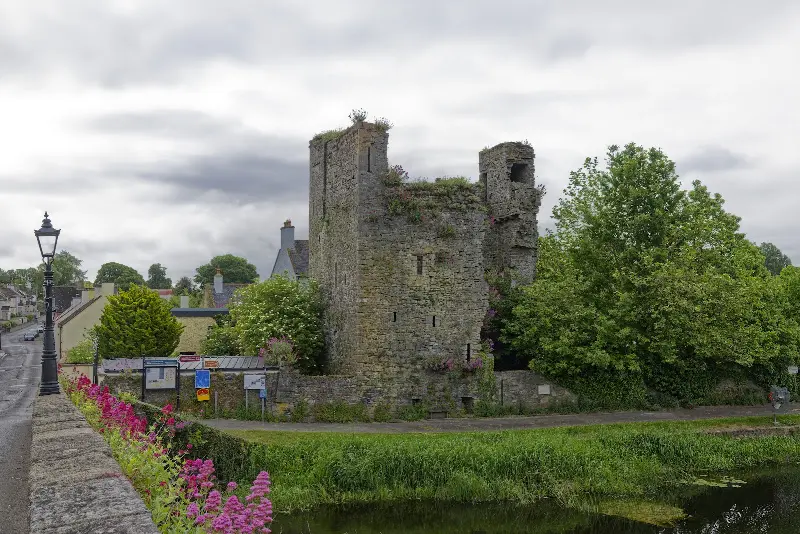
Kells Priory, near the village of Kells about 15 km south of Kilkenny, is one of the largest and most impressive medieval monastic sites in Ireland. It was an Augustinian priory, probably founded in 1193 by Geoffrey FitzRobert, a Norman lord connected by marriage to Strongbow. The priory stands beside the King’s River and was dedicated to the Virgin Mary. Its most striking feature is its fortified appearance: the site is enclosed by walls and a series of medieval tower houses, which give it the local name “Seven Castles.” Because of these defences, Kells looks almost as much like a fortress as a religious house, reflecting the unsettled conditions of medieval Ireland.
The priory was attacked and burned several times in the 13th and 14th centuries, including during the campaign of Edward Bruce in Ireland. It is also linked to one of Ireland’s most famous medieval witchcraft cases: in 1324, Bishop Richard de Ledrede of Ossory came into conflict with local figures connected to the Alice Kyteler trial, and was briefly imprisoned in Kilkenny Castle. Kells Priory was dissolved in 1540 during the suppression of the monasteries and passed to the Earl of Ormonde. Today the ruins, with their church, monastic buildings, walls and towers spread across the riverside site, form a National Monument and one of the most atmospheric medieval remains in County Kilkenny.
Kilkenny
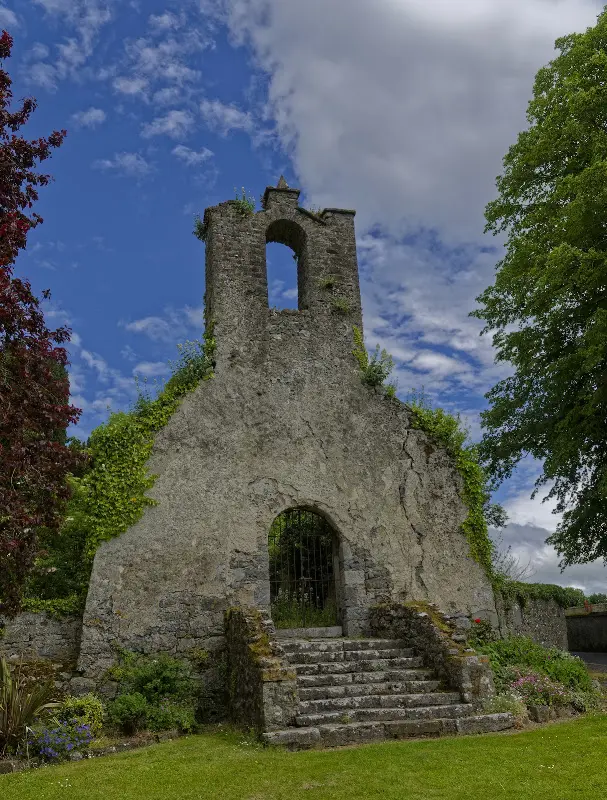
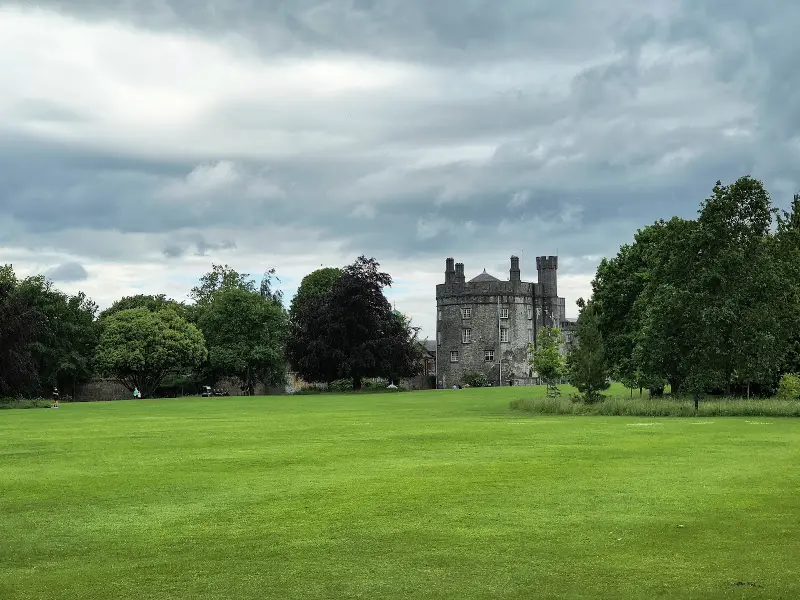
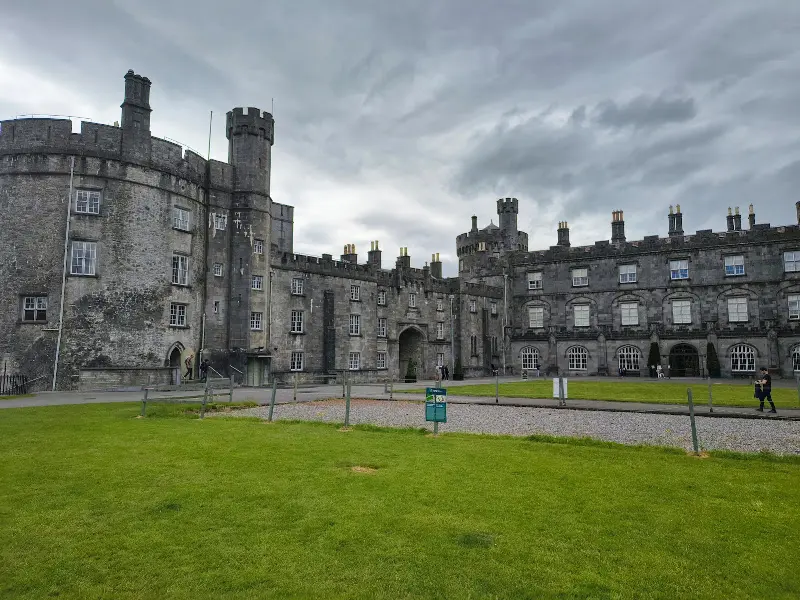
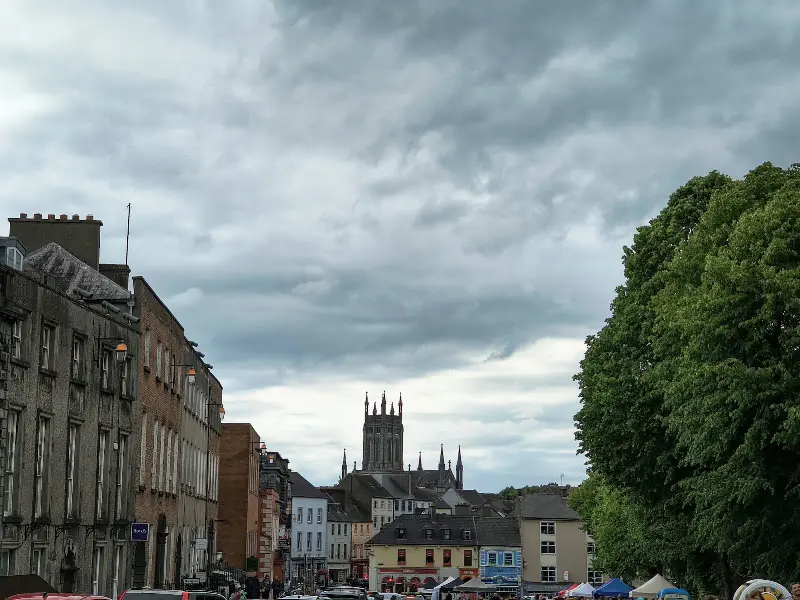
Kilkenny is one of Ireland’s best-preserved medieval cities, situated on the River Nore in the south-east of the country. Its Irish name, Cill Chainnigh, means “church of Cainnech,” referring to Saint Canice, whose early monastery gave the city its name. Kilkenny developed as an important Anglo-Norman settlement after the 12th century and became a major centre of power, trade and administration in medieval Ireland. Its compact historic core, narrow lanes and stone buildings still give it a strong medieval character.
The city’s two great landmarks are Kilkenny Castle and St Canice’s Cathedral. Kilkenny Castle was founded after the Norman invasion and later became the principal seat of the powerful Butler family, Earls and later Dukes of Ormonde. The castle dominates the city centre beside the River Nore and reflects centuries of political and aristocratic influence. St Canice’s Cathedral, with its round tower nearby, is one of the most important medieval churches in Ireland and stands on one of the oldest ecclesiastical sites in the city.
Kilkenny was also politically significant in the 17th century. During the Confederate Wars, it became the capital of Confederate Ireland from 1642 to 1649, when Irish Catholic leaders established a government there in response to the upheavals of the time. The city later suffered under Cromwell’s campaign in Ireland. Other historic sites, such as Rothe House, the Black Abbey, St Mary’s Church and the medieval city walls, help show the range of Kilkenny’s religious, civic and merchant history.
Today Kilkenny is known not only for heritage but also for crafts, festivals, food and nightlife. It has a strong reputation as a cultural town, with events such as the Kilkenny Arts Festival and Cat Laughs comedy festival, as well as a tradition of design and craft linked to the former Kilkenny Design Workshops. The city is also associated with Smithwick’s beer, brewed in Kilkenny for centuries. For travellers and cyclists, Kilkenny offers a dense concentration of history in a walkable centre, making it one of the most rewarding inland stops between Waterford and Dublin.
Sun May 31 - from Kilkenny to the ferry in Dublin
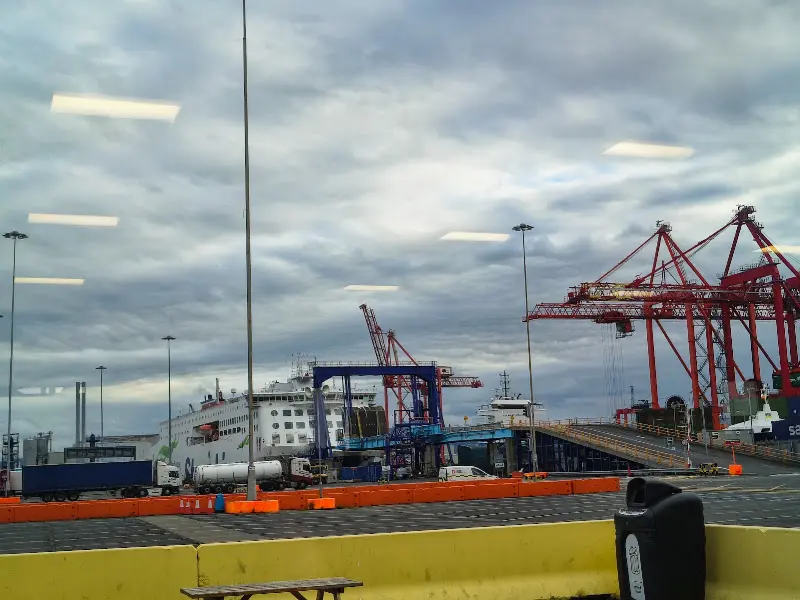
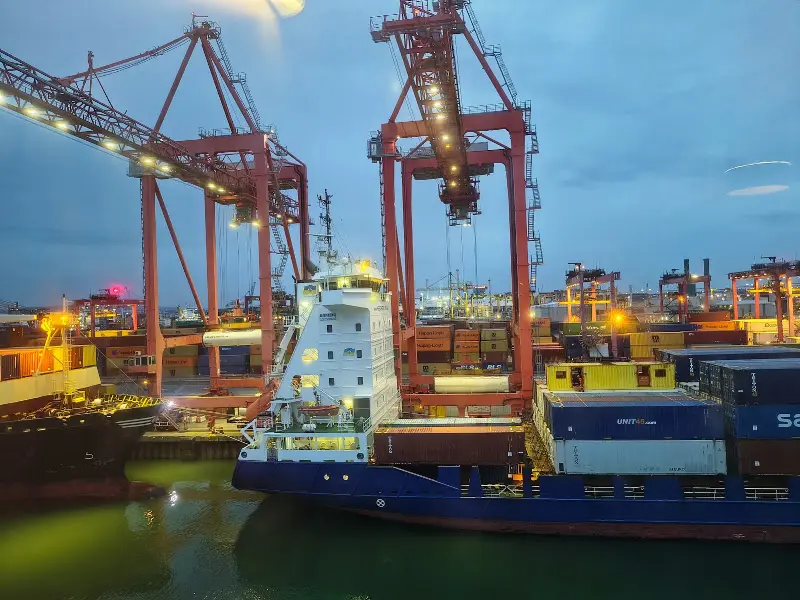
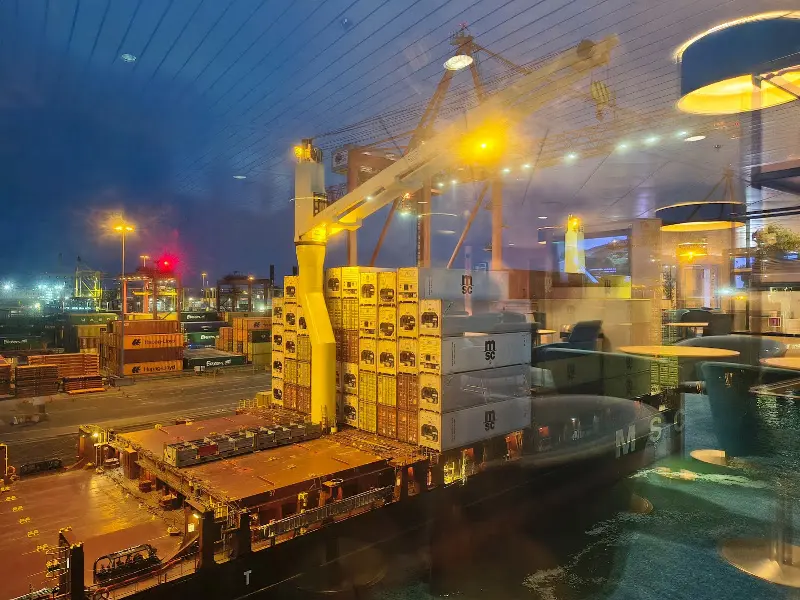
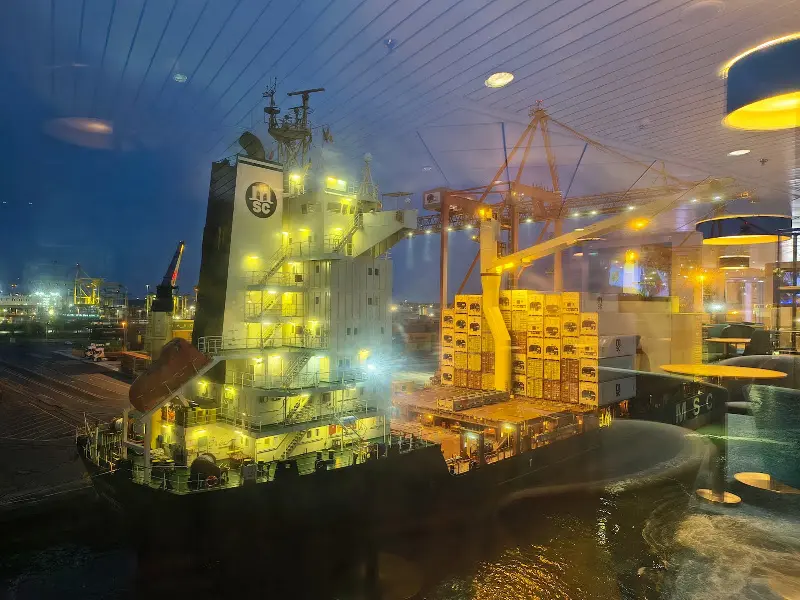
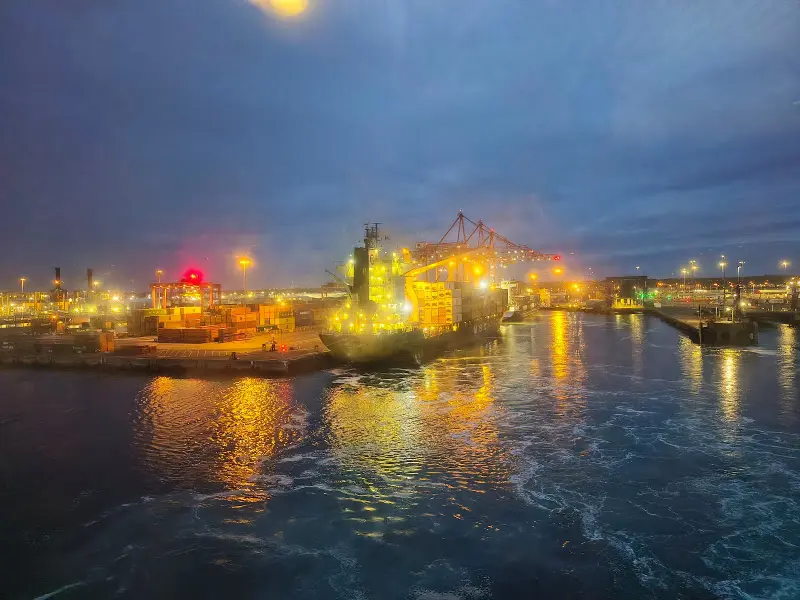
Early start in Kilkenny. The closer I came to Dublin, the more traffic there was on the road. It is a bank holiday weekend, and I decided to take the late-night ferry to Holyhead. Goodbye Ireland, welcome Wales.
Wicklow Mountains National Park
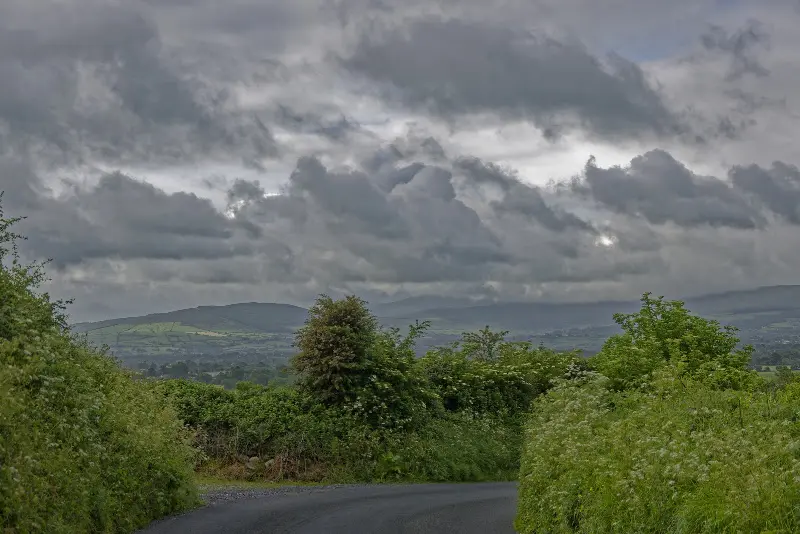
Wicklow Mountains National Park protects a large area of upland landscape south of Dublin and is the largest of Ireland’s national parks. It covers much of the central Wicklow Mountains, a region of rounded granite hills, open blanket bog, deep glacial valleys, mountain lakes and old woodlands. Although it lies relatively close to the capital, the landscape can feel surprisingly remote, especially in poor weather or on the higher roads. The park is part of the wider Wicklow uplands, sometimes called the “Garden of Ireland.”
One of the best-known places in the national park is Glendalough, the “valley of the two lakes.” It is famous both for its natural setting and for its early medieval monastic site, founded by Saint Kevin in the 6th century. The remains include churches, stone crosses and one of Ireland’s finest round towers. Glendalough became an important religious and pilgrimage centre in the Middle Ages, and today it is one of the most visited historic landscapes in Ireland.
The Wicklow Mountains were shaped by ice during the last glacial period, which carved out valleys and left behind lakes such as the Upper and Lower Lakes at Glendalough. The uplands are also important for nature, with heath, bog, deer, birds of prey and rare plant habitats. Much of the higher ground is open and exposed, with rapidly changing weather, mist and strong winds common. The military road through the mountains, built after the 1798 rebellion to improve British army access to the area, is now one of the classic scenic routes.
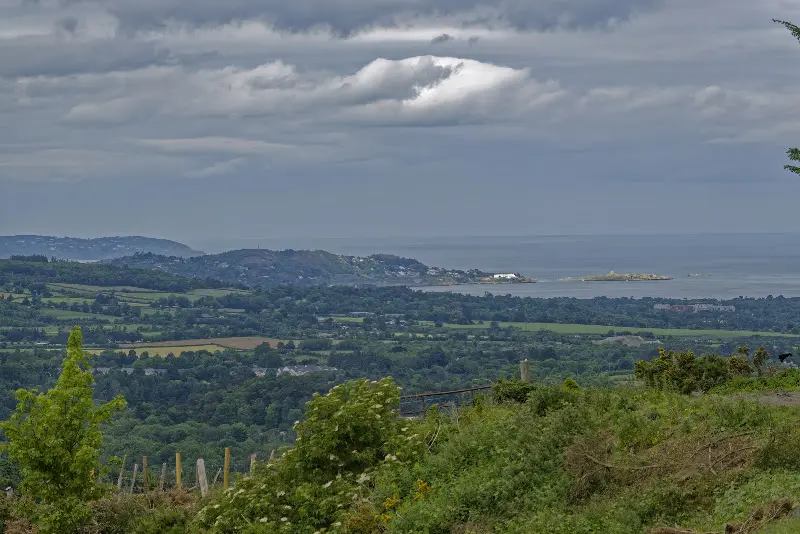
For a cyclist, Wicklow can be both beautiful and demanding. The gradients are not Alpine, but the roads rise and fall repeatedly through exposed hills, forests and valleys. Coming from the south-east towards Dublin, the Wicklow Mountains form a final wild barrier before the capital: a last stretch of Irish upland scenery before the traffic, suburbs and ferry port of Dublin take over.
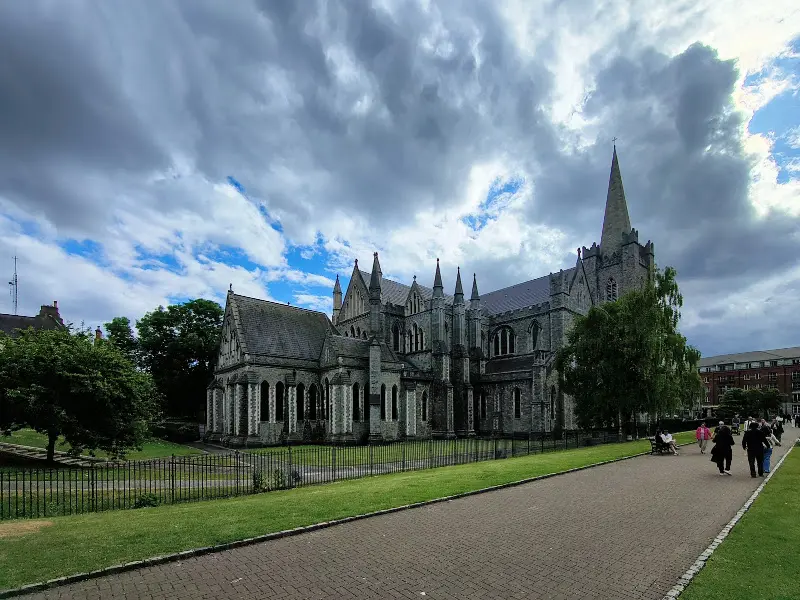
Dublin
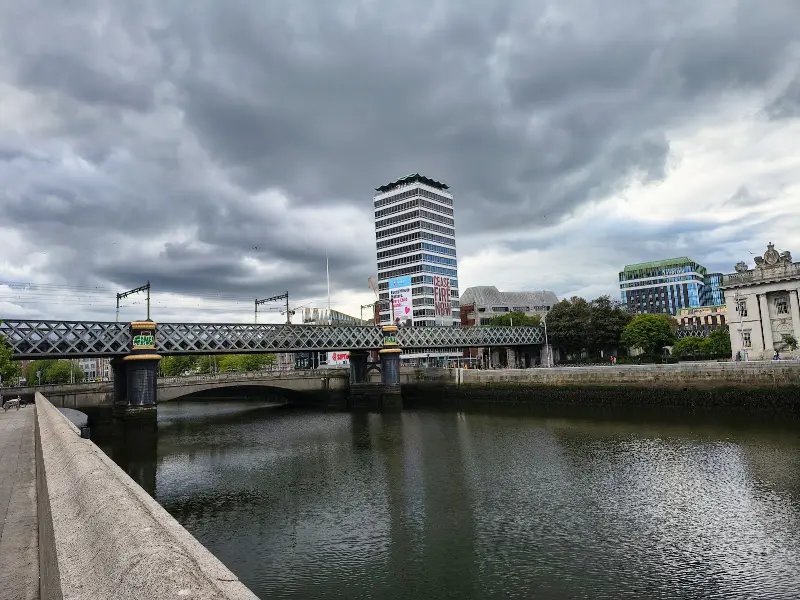
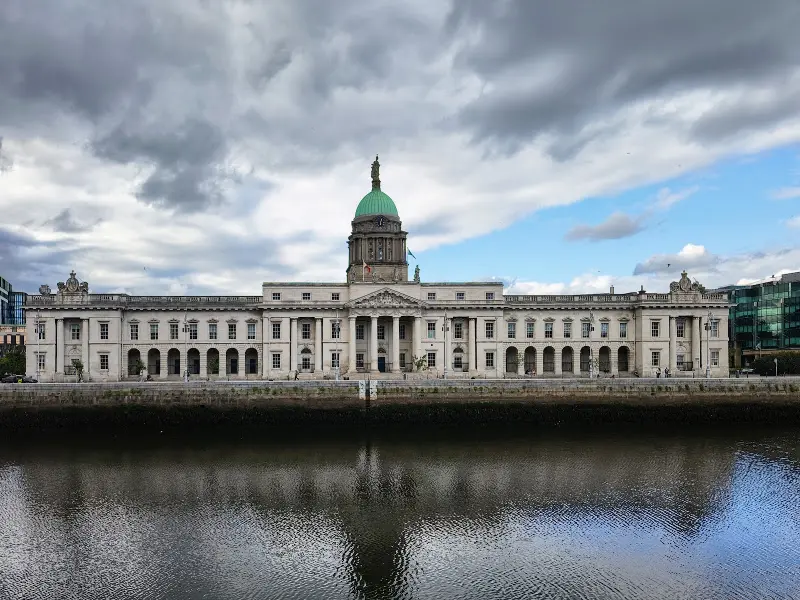
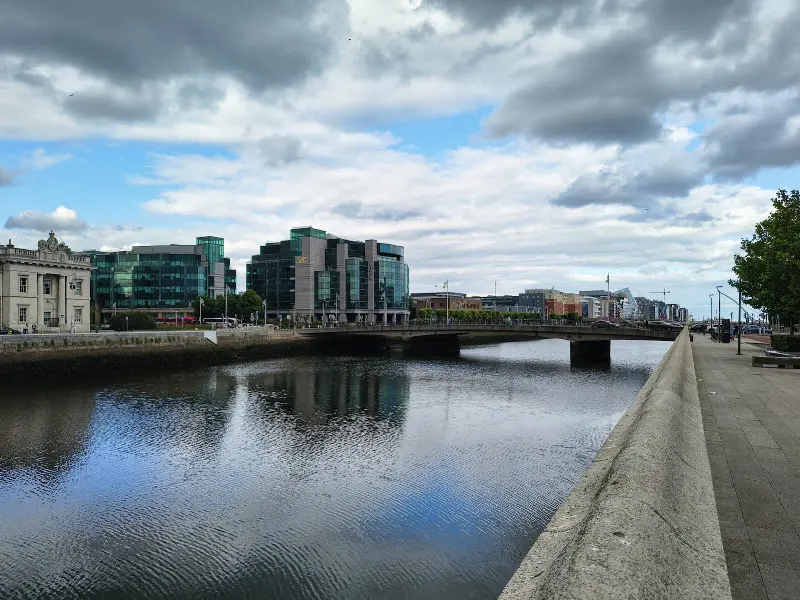
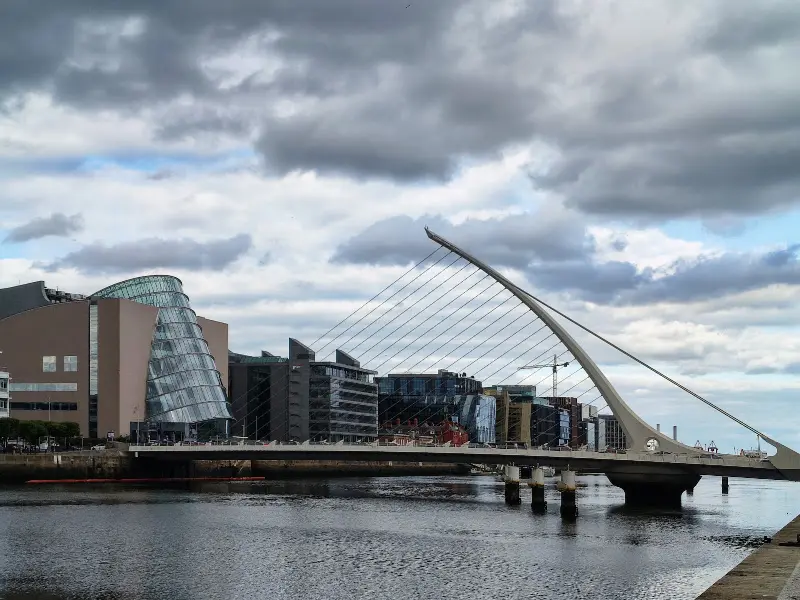
Dublin is the capital and largest city of the Republic of Ireland, situated on the east coast at the mouth of the River Liffey. Its Irish name is Baile Átha Cliath, while the English name comes from Dubh Linn, meaning “black pool,” referring to an early settlement near the site of Dublin Castle. The city began as a Viking settlement in the 9th century and developed into one of the most important ports and political centres in Ireland. Its position on the Irish Sea made it the main connection point between Ireland and Britain for much of its history.
In the medieval and early modern periods Dublin became the centre of English, and later British, administration in Ireland. Dublin Castle was the seat of government for centuries, while the city grew as a commercial, legal and ecclesiastical centre. In the 18th century it expanded dramatically, leaving behind much of the Georgian architecture still visible today, especially around Merrion Square, Fitzwilliam Square, St Stephen’s Green and the north and south sides of the Liffey. Trinity College, founded in 1592, is one of the city’s most important institutions and houses the famous Book of Kells.
Dublin also played a central role in the struggle for Irish independence. The 1916 Easter Rising began in the city, with the General Post Office on O’Connell Street serving as the headquarters of the rebels. The War of Independence and the Civil War also left their mark on Dublin’s streets and public buildings. After independence, Dublin became the capital of the Irish Free State and later of the Republic of Ireland. Sites such as Kilmainham Gaol, the GPO, Dublin Castle and Glasnevin Cemetery remain closely linked to this political history.
Today Dublin is a lively European capital with a strong literary, musical and pub culture. It is associated with writers such as Jonathan Swift, Oscar Wilde, W. B. Yeats, James Joyce, Samuel Beckett and Seamus Heaney, and has been designated a UNESCO City of Literature. Major sights include Trinity College, St Patrick’s Cathedral, Christ Church Cathedral, the National Museum, the National Gallery, Temple Bar, the Guinness Storehouse and the Docklands. For this journey, Dublin was also the final stop in Ireland: the point where the west-coast roads, green hills and rain-soaked campsites gave way to the late ferry across the Irish Sea to Wales.