Ireland - A Ferry Tale
Mon May 18 - from Belfast to Beach
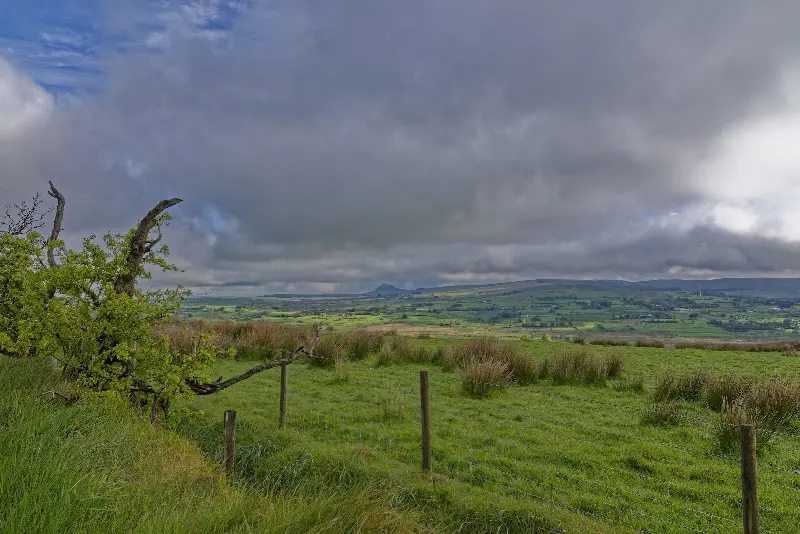
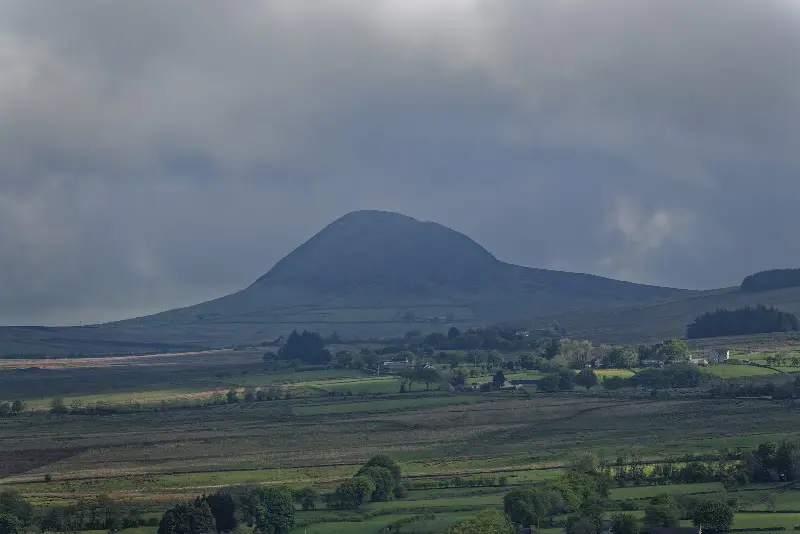
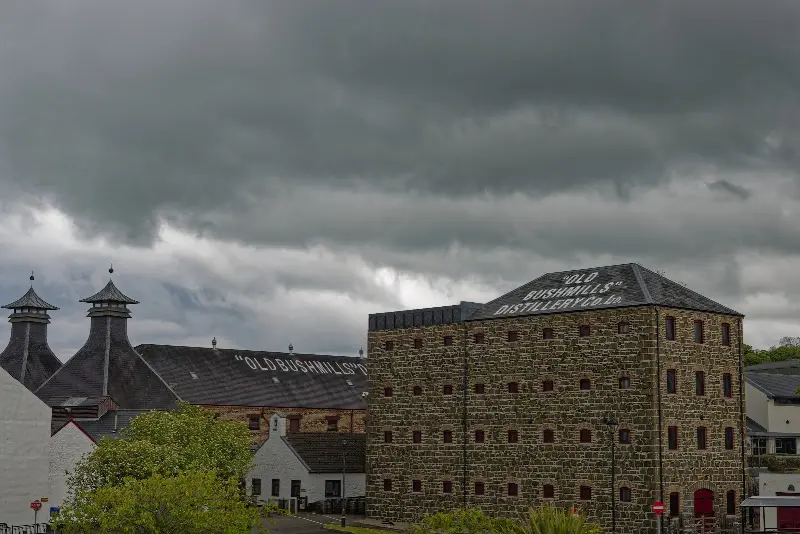
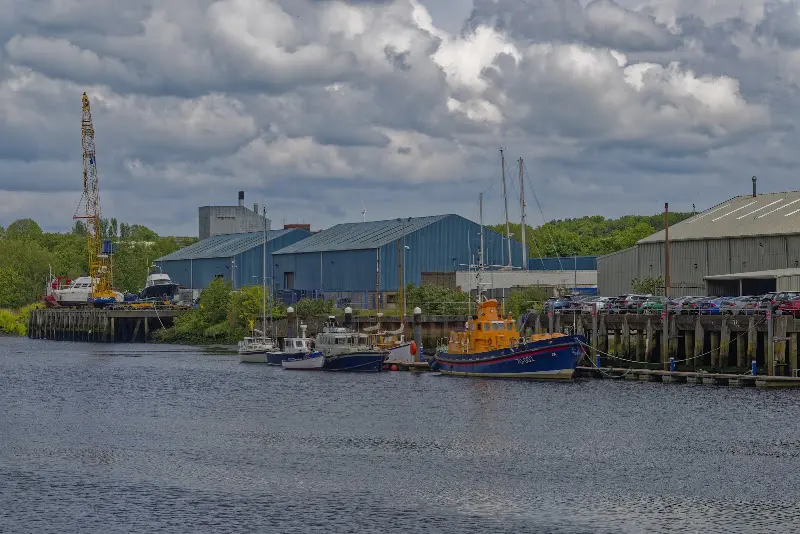
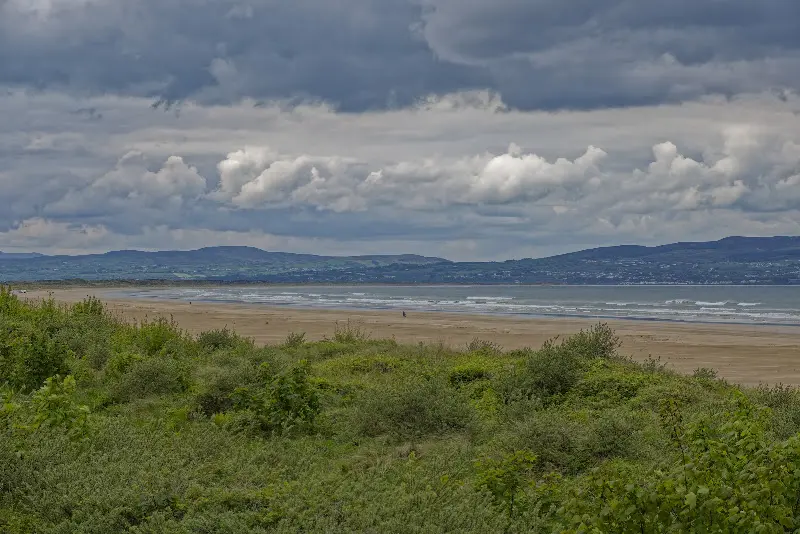
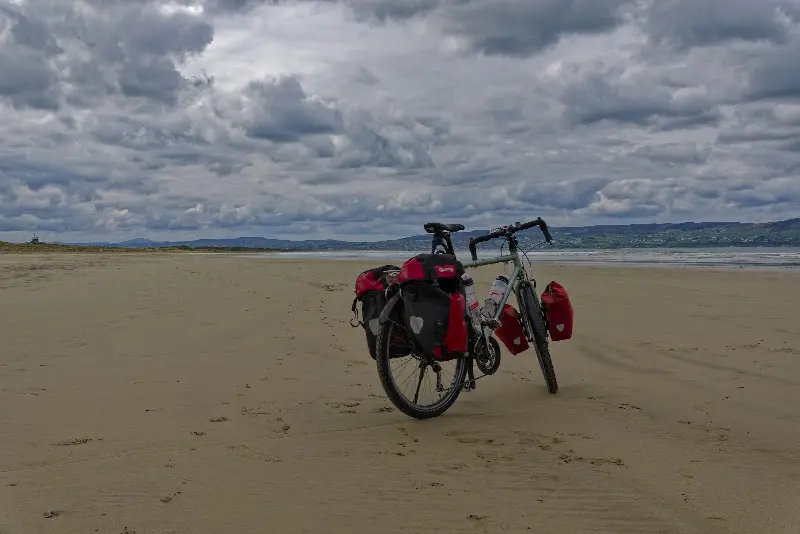
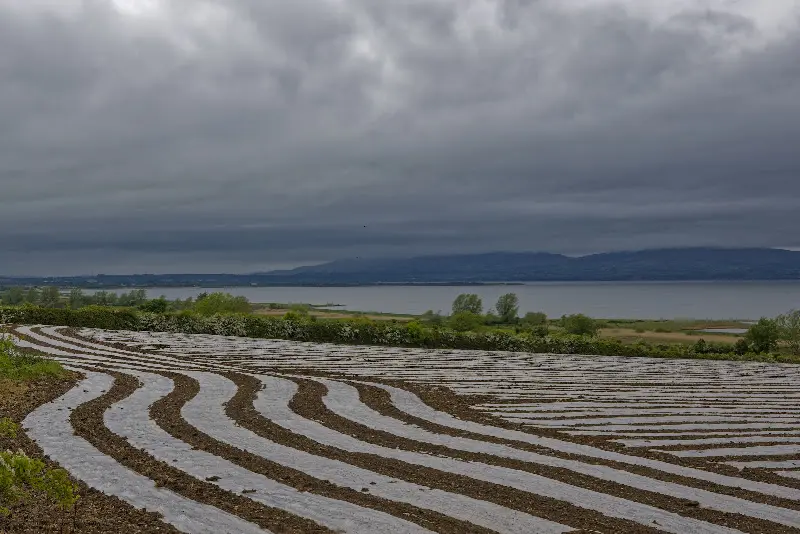
The tent was soaking wet in the morning, though only damp inside. Even the sleeping bag felt a bit humid. I headed north to the coast and to Bushmills Distillery, then via Coleraine to a beach close to Limavady. In the morning it was sometimes not more than 4°C.
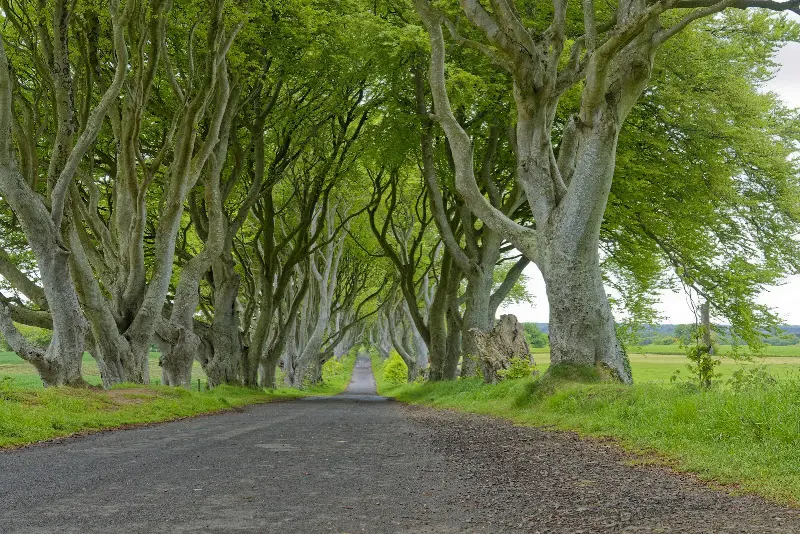
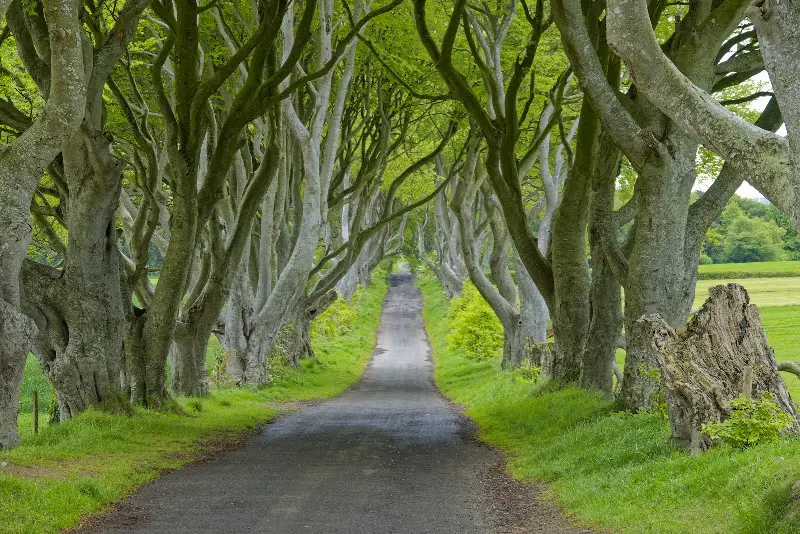
The Dark Hedges
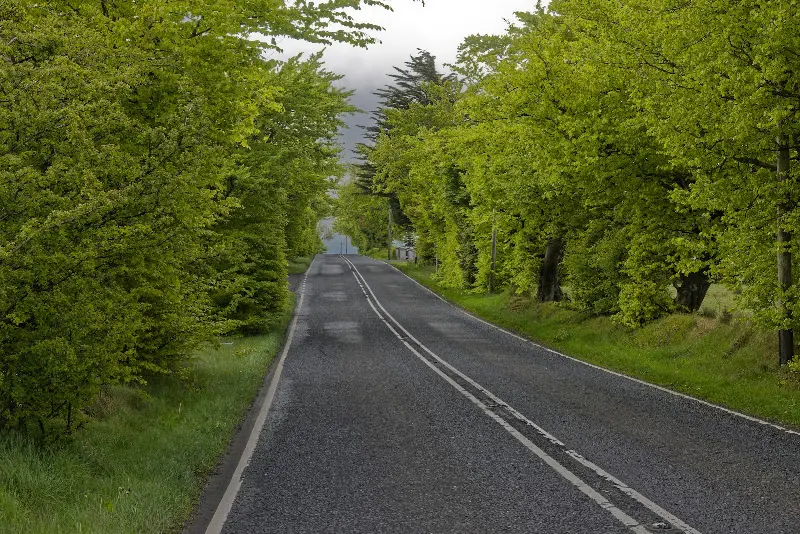
The Dark Hedges are an avenue of beech trees near Armoy in County Antrim, planted in the 18th century by the Stuart family as an impressive approach to their Georgian mansion, Gracehill House. Over time the trees grew into a dramatic, interlocking tunnel of branches above the road, creating one of Northern Ireland’s most atmospheric landscapes. The avenue is now one of the most photographed natural landmarks in the region.
The Dark Hedges became internationally famous after appearing as the Kingsroad in the television series Game of Thrones. Their popularity brought many visitors, but also concern for the ageing trees, some of which have been damaged by storms or heavy traffic in the past. Today access is managed more carefully to protect the remaining beeches and preserve the distinctive character of the place.
Carrick-a-Rede, Giant’s Causeway, Bushmills and Coleraine
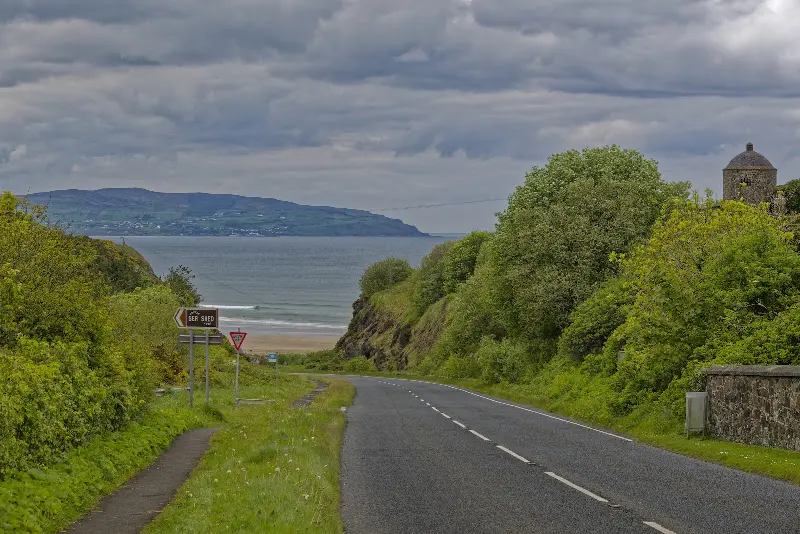
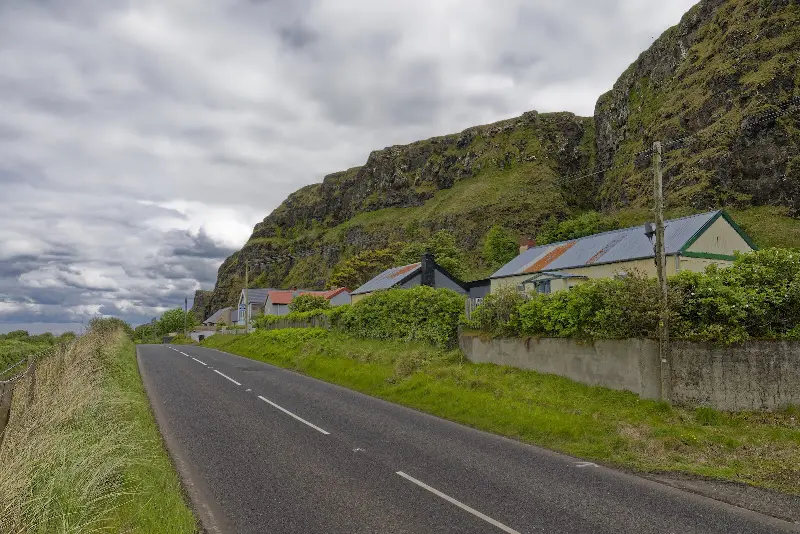
The north coast of County Antrim is one of Northern Ireland’s classic scenic routes, though on this trip the weather decided how much of it I would actually see. Two of its best-known landmarks are Carrick-a-Rede Rope Bridge and the Giant’s Causeway. Carrick-a-Rede links the mainland to a small rocky island by a rope bridge high above the sea; it was originally used by salmon fishermen and is now famous for its exposed crossing and views of cliffs, waves and open water. The Giant’s Causeway, a UNESCO World Heritage Site, is Northern Ireland’s most famous natural monument: around 40,000 interlocking basalt columns, formed by volcanic activity about 60 million years ago. Its striking geometry also gave rise to the legend of the giant Finn McCool, who was said to have built the causeway across the sea to Scotland.
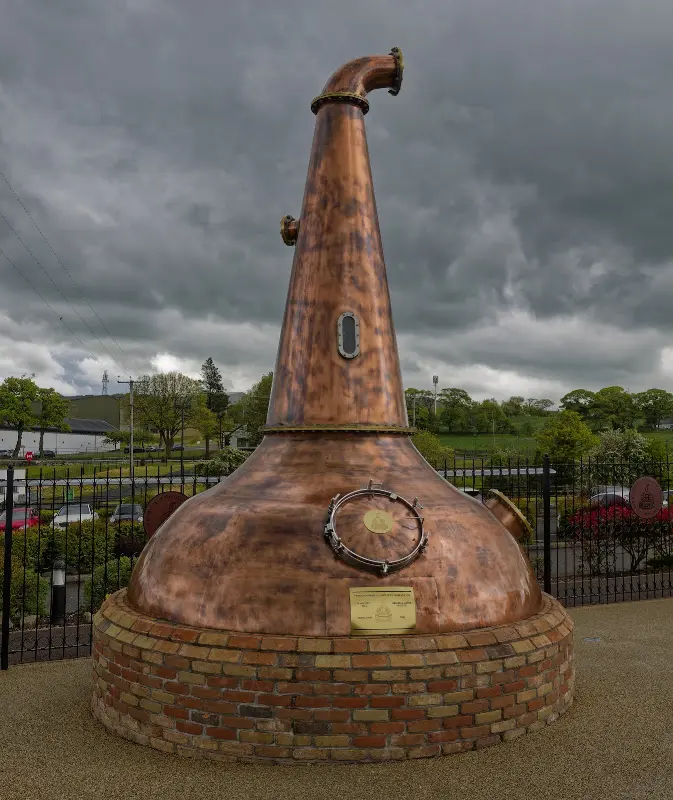
Further along the route lies Bushmills, a village best known for whiskey. The Old Bushmills Distillery traces its official licence back to 1608 and is one of the most famous names in Irish distilling, making the village a natural stop on the Causeway Coast. From there the road continues towards Coleraine, a historic town on the River Bann. Coleraine has long been an important crossing point and market centre in the north of Ireland, and today it serves as a practical waypoint between the tourist-heavy coast, the university town around Ulster University’s Coleraine campus, and the inland routes leading west towards Derry and Donegal.
Tue May 19 - from Beach to Hostel
I will be staying in a hostel in Letterkenny tonight. I had a late start this morning because of really bad weather last night — very windy. I know my tent can endure a lot, but this wind was not steady: it came in bursts of great force for five minutes, then calm again. Lots of rain as well.
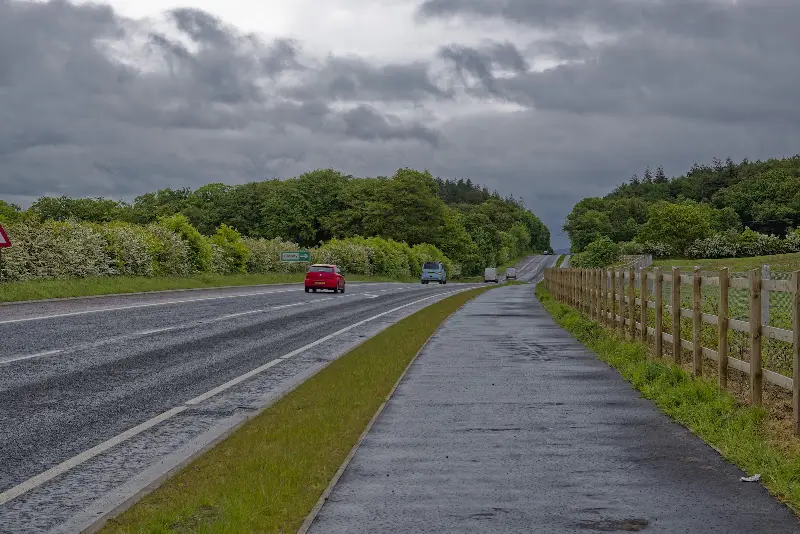
Today I will be cycling through rain via Londonderry to Letterkenny, only about 85 km.
In the end it was 90 km. Five times wet, four times dry — and a trip to the supermarket got me dry for a fifth time. Tomorrow should be slightly better, then a campsite again. There seem to be only a few campsites in this area; it is not so overrun by tourists here.
Londonderry / Derry
Londonderry, also widely known as Derry, is the second-largest city in Northern Ireland and lies on the River Foyle, close to the border with County Donegal. The name itself reflects the city’s complex history and politics: “Derry” comes from the Irish Doire, meaning “oak grove,” while “Londonderry” dates from the 17th-century Plantation of Ulster, when London guilds became involved in the city’s development. Today both names are used, often depending on political, cultural or personal background.
The city is especially famous for its intact 17th-century walls, built between 1613 and 1619. Derry is the only completely walled city in Ireland and one of the best-preserved walled cities in Europe. The walls enclose the historic centre and still form a walkable circuit, with views over the old city, the River Foyle and the surrounding districts. Their best-known historical moment came during the Siege of Derry in 1689, when the city held out for 105 days during the Williamite War in Ireland.
In more recent history, Derry/Londonderry became one of the key places associated with the Troubles. The city’s Bogside area was the scene of major civil rights demonstrations, unrest and confrontation. On 30 January 1972, Bloody Sunday took place here, when British soldiers shot 26 unarmed civilians during a civil rights march; 14 people died. The event became one of the most significant and traumatic episodes of the conflict. Murals in the Bogside, the Free Derry Corner and memorials still mark this history and remain important sites of memory.
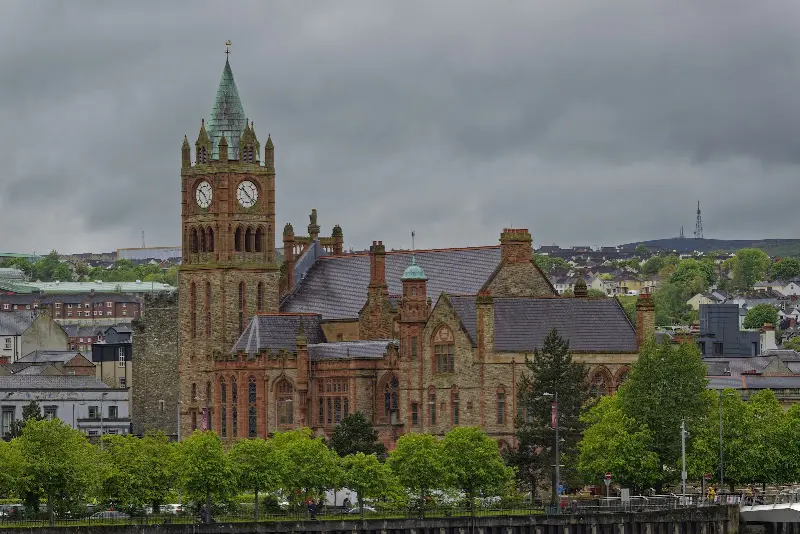
At the same time, the city has developed a strong cultural identity and has become an important centre for music, arts and tourism. In 2013 it was the first UK City of Culture, a title that helped bring new attention to its historic centre, riverside and cultural life. Visitors are drawn by the city walls, St Columb’s Cathedral, the Guildhall, the Tower Museum, the Bogside murals and its position as a gateway between Northern Ireland and Donegal. For a cyclist, it is also a natural crossing point between the north coast and the roads west into Ireland.
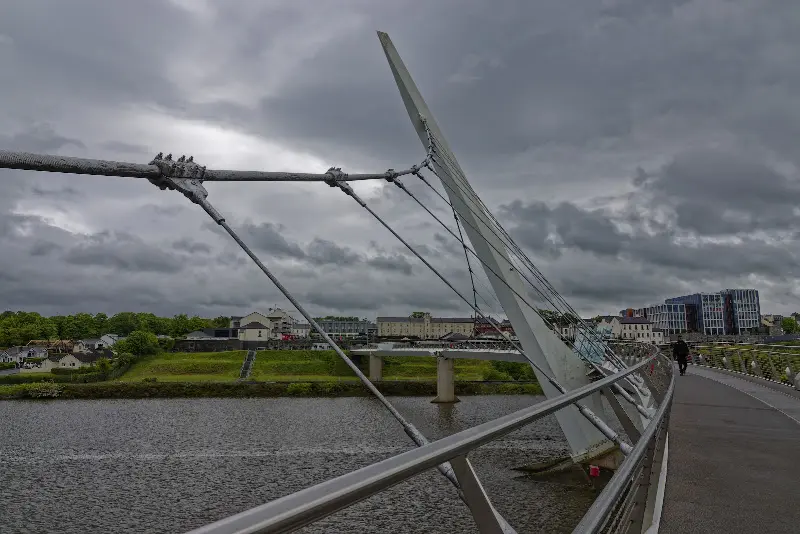
Peace Bridge
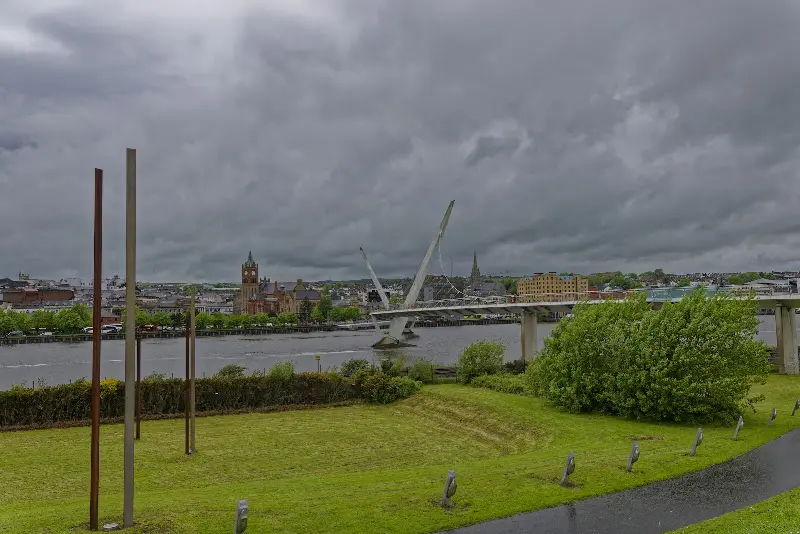
The Peace Bridge is a pedestrian and cycle bridge across the River Foyle, opened in 2011. It links the city centre on the west bank with the former military barracks area at Ebrington on the east bank. Its curved, elegant design has become one of the modern symbols of Derry/Londonderry. The bridge was built not only as a practical crossing but also as a symbol of reconciliation in a city long divided by politics, religion and history. By connecting communities on both sides of the river, it represents the changes that have taken place since the peace process. Today it is one of the most photographed modern landmarks in the city and a useful route for walkers and cyclists alike.
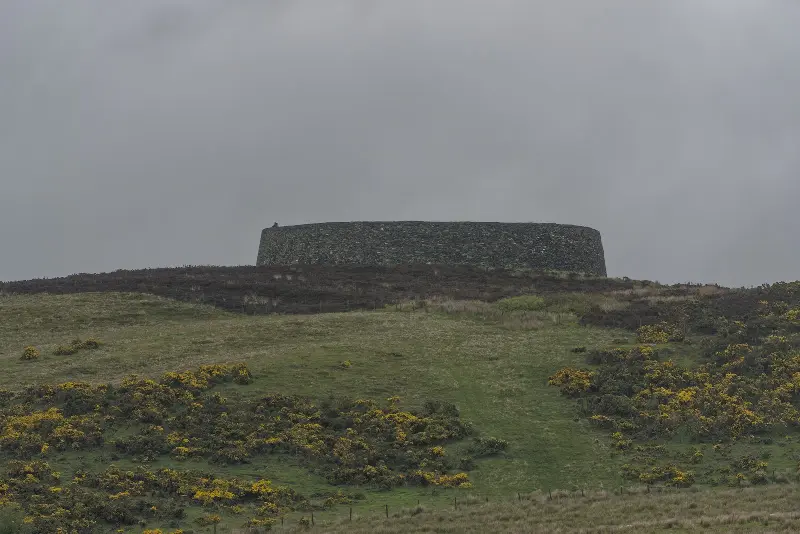
Grianán of Aileach
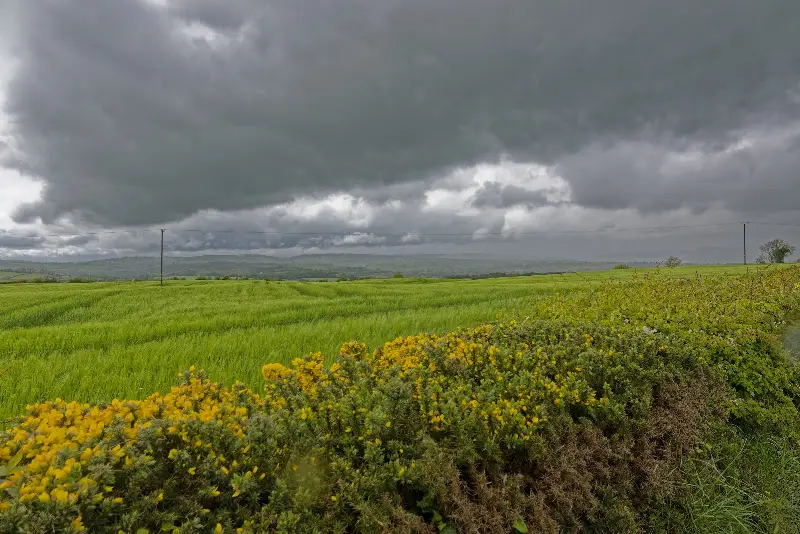
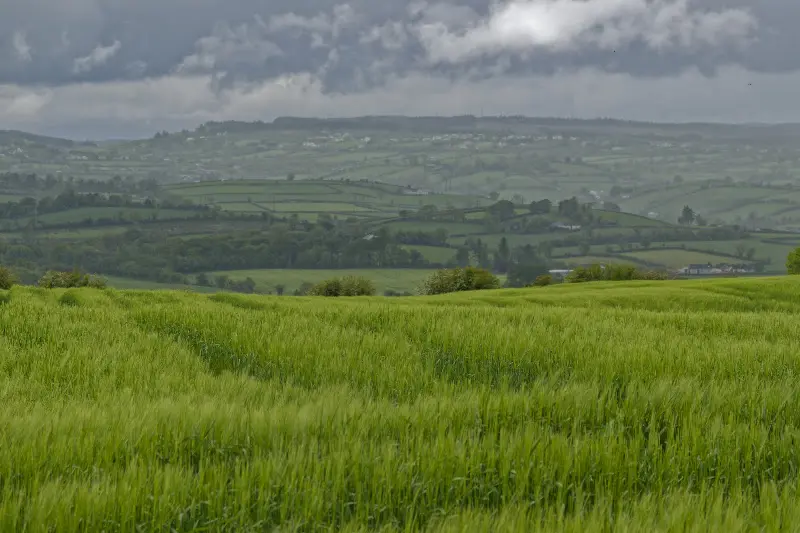
The Grianán of Aileach is one of the most striking ancient sites in County Donegal, standing on Greenan Mountain about 250 metres above sea level. From the hilltop there are wide panoramic views over Lough Foyle, Lough Swilly and the surrounding landscape of Donegal and Derry. The visible monument is a circular dry-stone ringfort, but the hill itself has a much longer history, with traces of earlier prehistoric activity, including ancient earthworks and burial features.
Historically, Grianán of Aileach is best known as a royal site associated with the Northern Uí Néill, especially the Cenél nEógain, and the Kingdom of Ailech. From the early medieval period until the 12th century it functioned as an important centre of power in the north of Ireland. In 1101 it was famously attacked and dismantled by Muirchertach Ua Briain, King of Munster, during conflicts between rival Irish kingdoms. The impressive stone fort seen today is largely the result of a major 19th-century restoration carried out in the 1870s by Dr Walter Bernard.
The ringfort has an internal diameter of about 23 metres, with thick dry-stone walls and a series of stepped terraces around the inside. Narrow passages and stairs are built into the walls, giving the structure a monumental and almost theatrical character. Although the restoration makes it difficult to know exactly how closely the present form matches the medieval fort, the site still powerfully conveys the idea of a defended royal stronghold placed high above the surrounding lands.
The place is also rich in legend. In Irish mythology, the fort was sometimes linked with the Tuatha Dé Danann and said to have been built by the god-like figure Dagda as a burial monument for his son. Later folklore connects the hill with hidden warriors, including stories of Hugh O’Neill and his horsemen sleeping in a cave beneath the mountain, waiting until they are called to rise again. Whether approached through archaeology, medieval history or mythology, Grianán of Aileach remains one of the great symbolic viewpoints of Ulster.
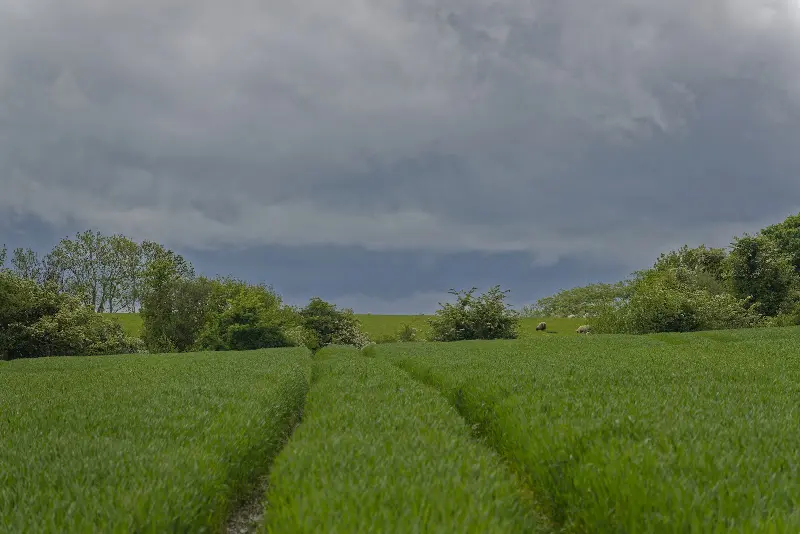
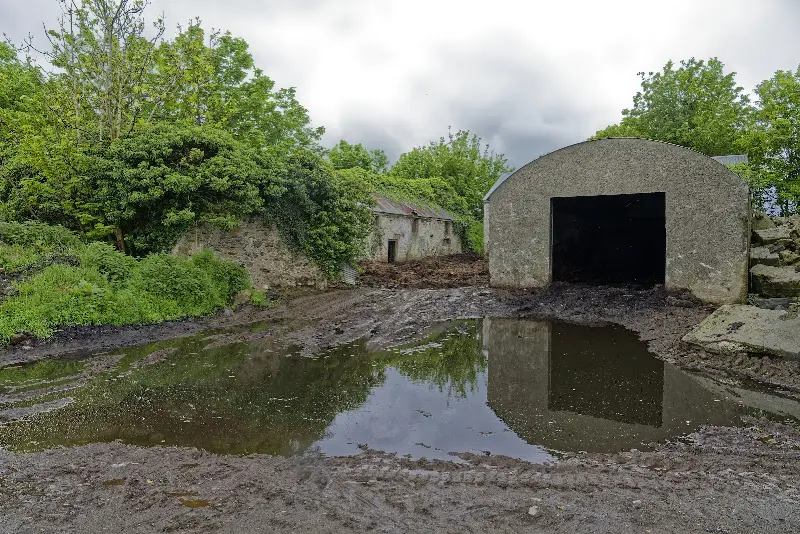
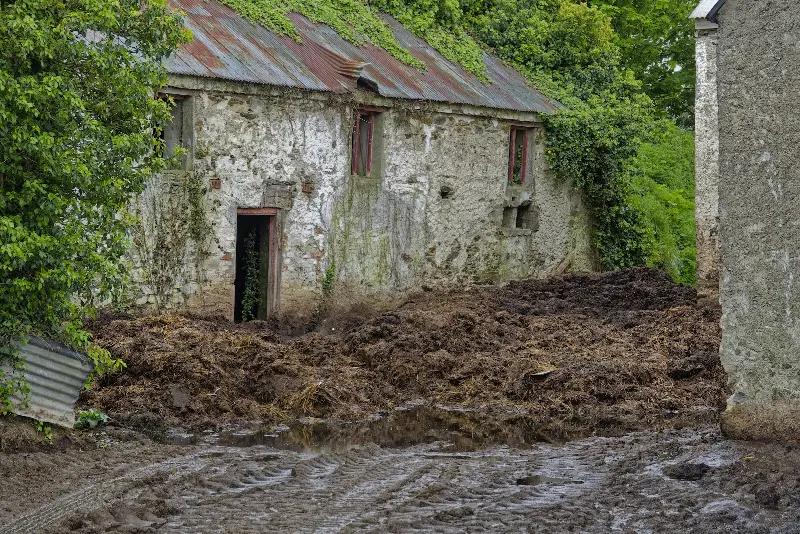
Letterkenny
Letterkenny is the largest town in County Donegal and one of the main urban centres in the north-west of Ireland. It stands on the River Swilly, not far from Lough Swilly, and developed from a market town into an important regional hub for shopping, services, transport and education. The town’s name comes from the Irish Leitir Ceanainn, usually interpreted as “hillside of the O’Cannons,” referring to the medieval ruling family of the area. Its long main street, one of the longest in Ireland, reflects the town’s growth as a commercial centre for the surrounding rural region. For travellers, Letterkenny is often a practical staging point before entering the more remote landscapes of Donegal. From here roads lead towards Glenveagh National Park, the Derryveagh Mountains, Mount Errigal, the Donegal coast, and the routes west and south through some of Ireland’s most sparsely populated and scenic areas. The town itself is home to the Donegal County Museum, An Grianán Theatre and the nearby Atlantic Technological University campus, giving it a role not only as a service centre but also as a cultural and educational base for the county.
Wed May 20 - from Hostel to Mountains
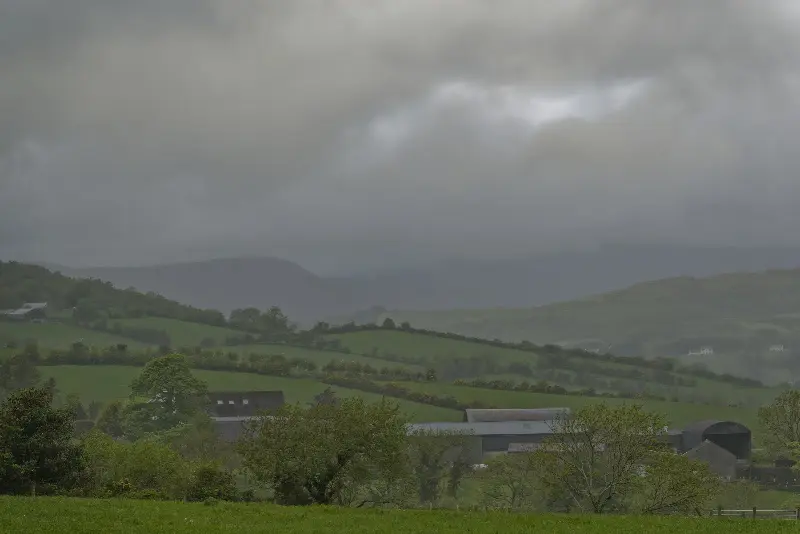
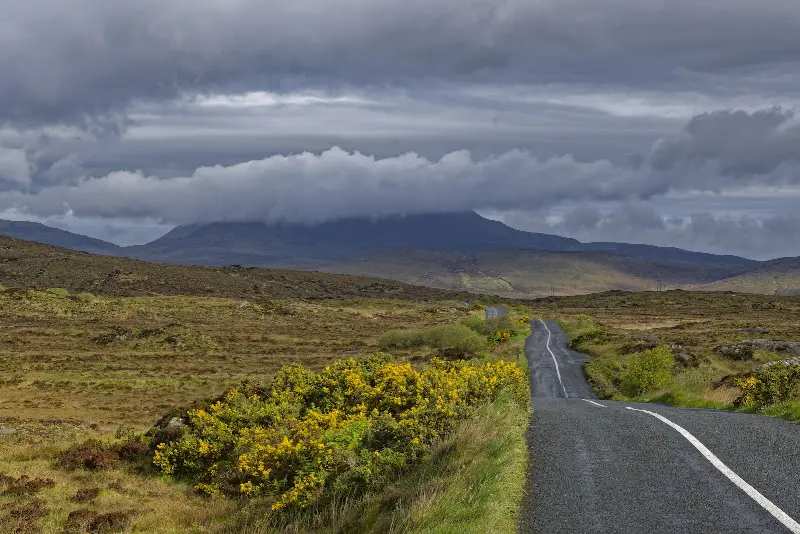
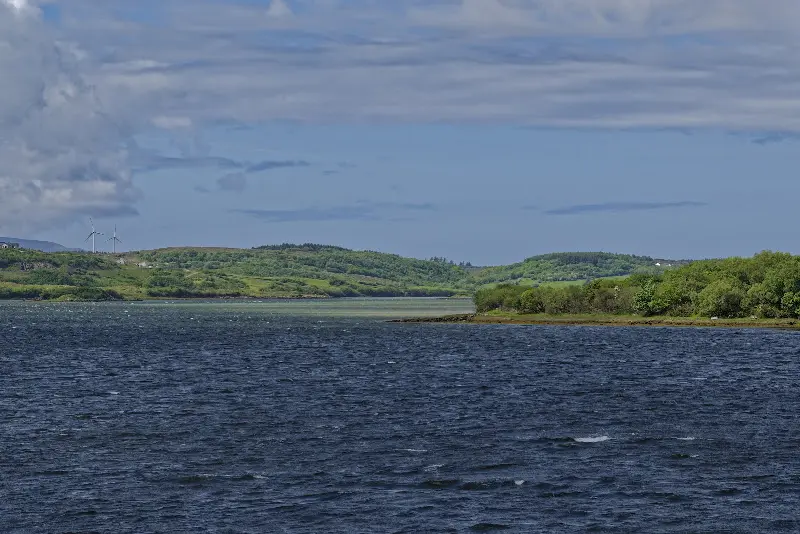
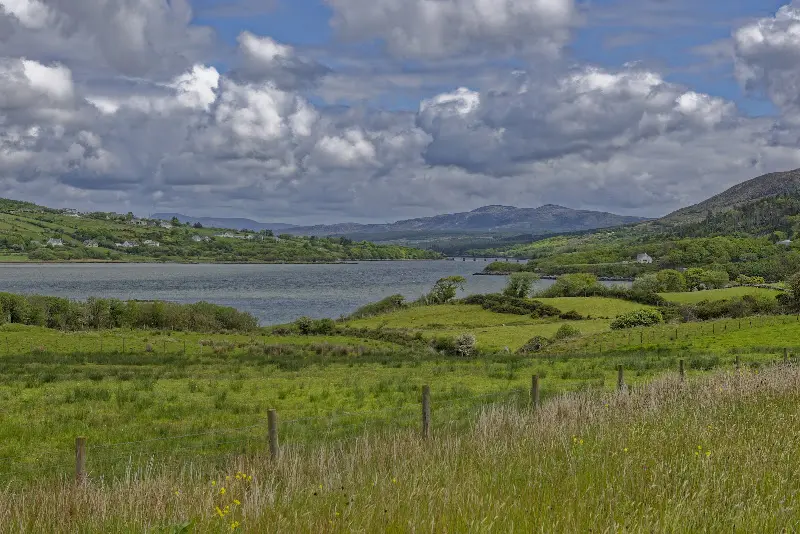
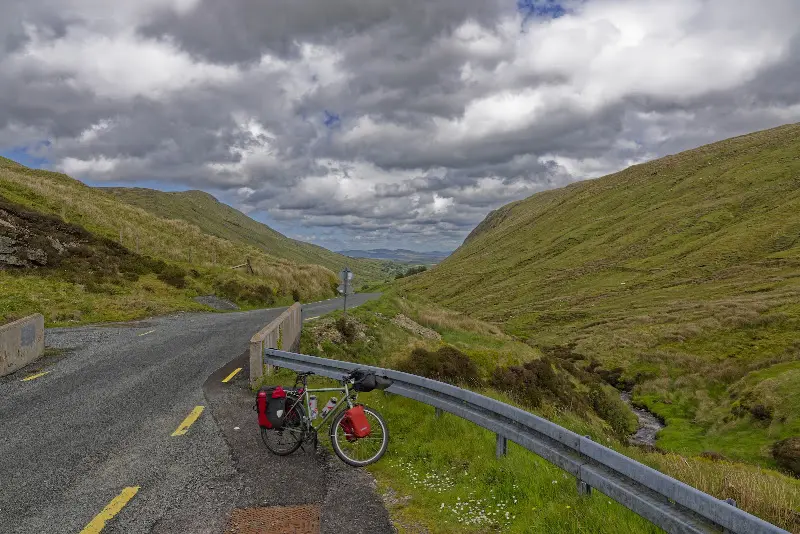
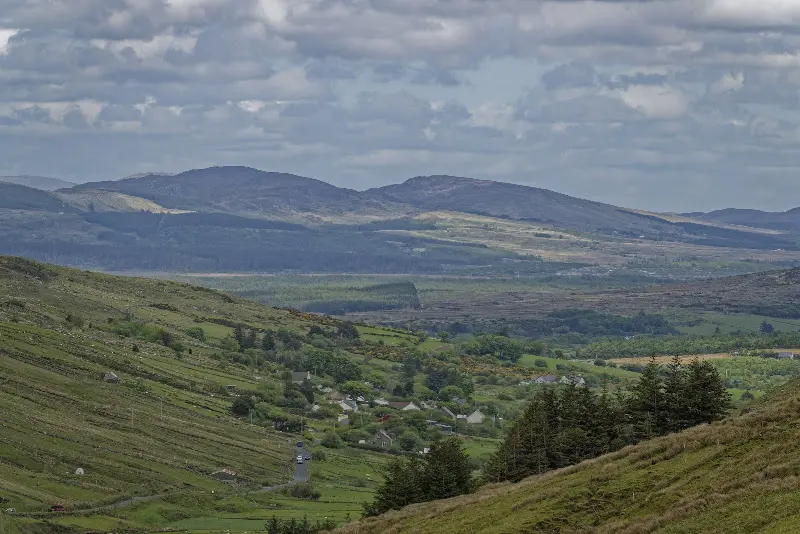
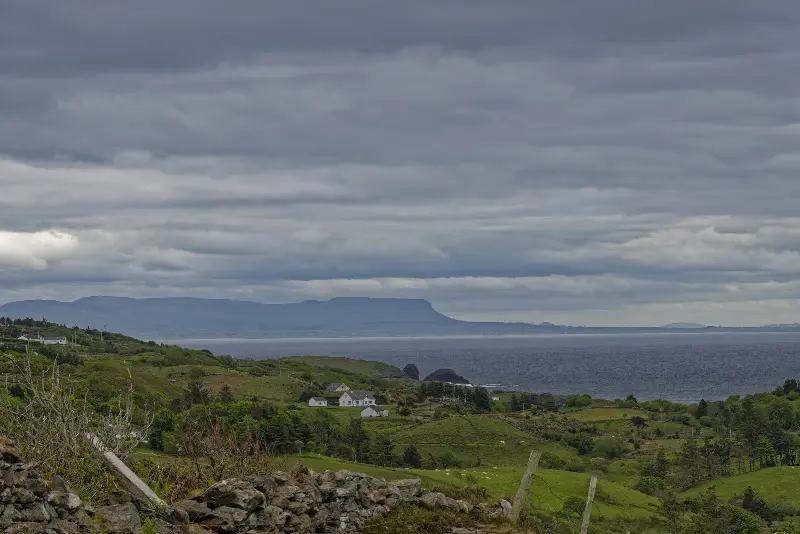
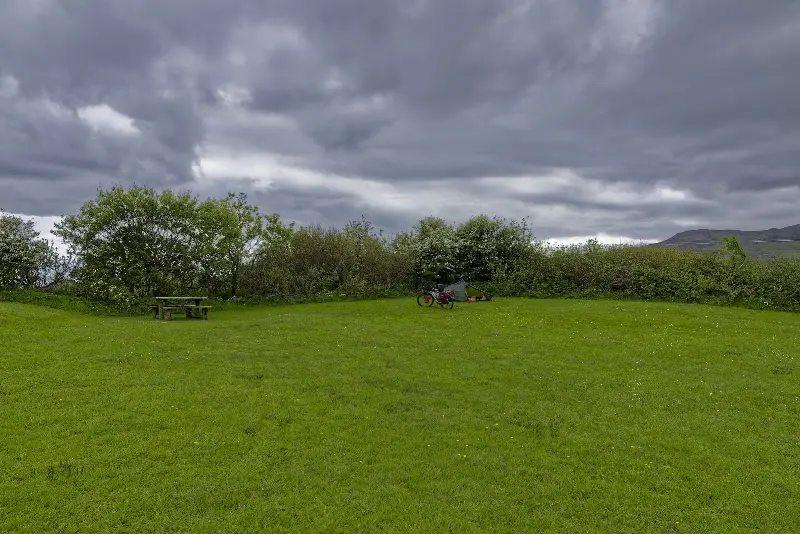
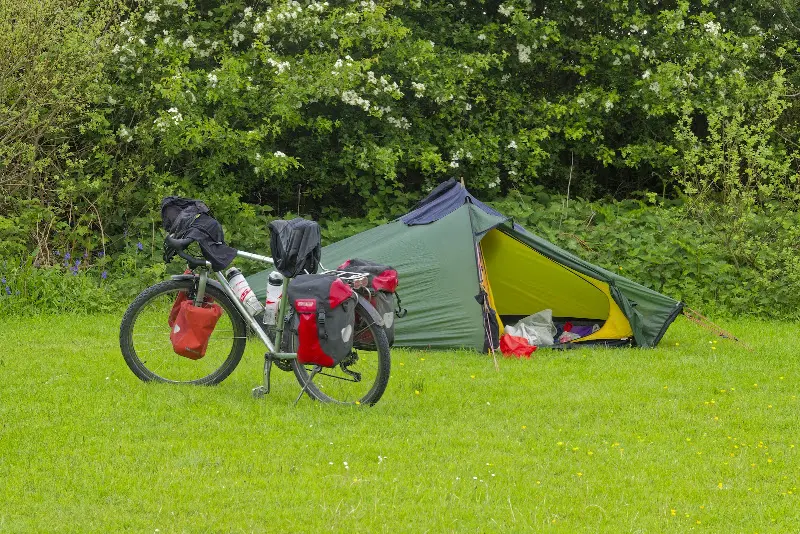
The day started with rain, and the beginning was steep and hilly. Some kind of Highland feeling came up, and the road was not too busy. Mount Errigal was one of the outstanding features today. About 30 km before Ardara the sun came out for about two hours, then it became cloudy again. South of Ardara more hills appeared and could not be avoided — very steep, up to 25%, but followed by a gentle 20 km descent. Camping at the west coast tonight. I expect rain tonight and tomorrow morning. I am sitting in a kitchen at Derrylahan Independent Hostel with tea that I brought from Germany. Both tea and beer are far too expensive here.
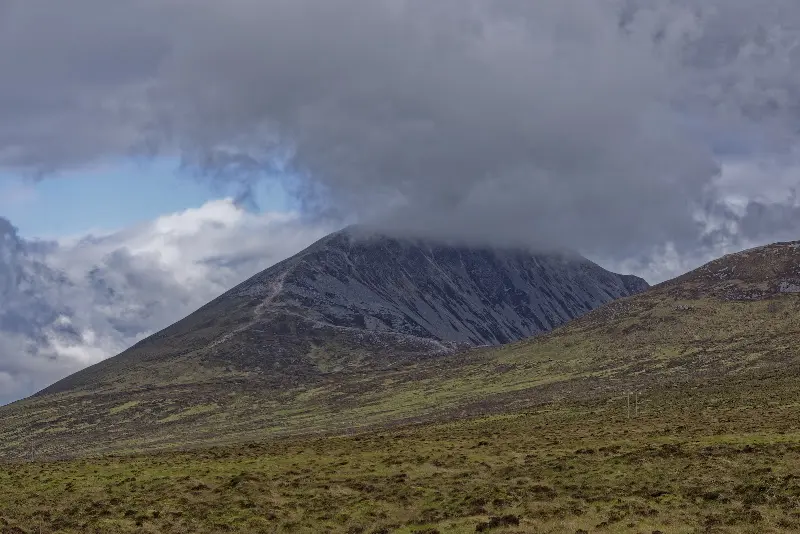
Glenveagh National Park, Mount Errigal and Donegal
Glenveagh National Park lies in the heart of County Donegal and protects one of the wildest mountain landscapes in Ireland. The park covers a large area of mountains, blanket bog, lakes, glens and native woodland in the Derryveagh Mountains. At its centre is Lough Veagh, overlooked by Glenveagh Castle, a 19th-century castellated mansion built in a remote and dramatic setting. Today the park is known for its scenery, walking routes, red deer, birdlife and efforts to restore native habitats, including woodland and golden eagle populations.
Nearby Mount Errigal is Donegal’s highest peak, rising to 751 metres, and one of the most recognizable mountains in Ireland. Its pale quartzite slopes give it a distinctive appearance, changing colour with the light and weather, from grey and silver to pink or golden tones. The mountain stands above the surrounding bogs and lakes with a sharp, almost symmetrical profile, making it a natural landmark visible from far around. Even without climbing it, Errigal dominates the road through this part of Donegal.
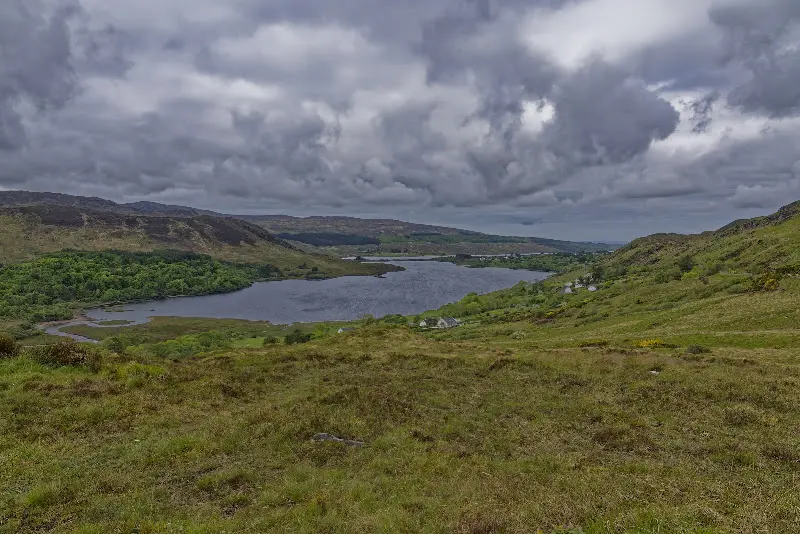
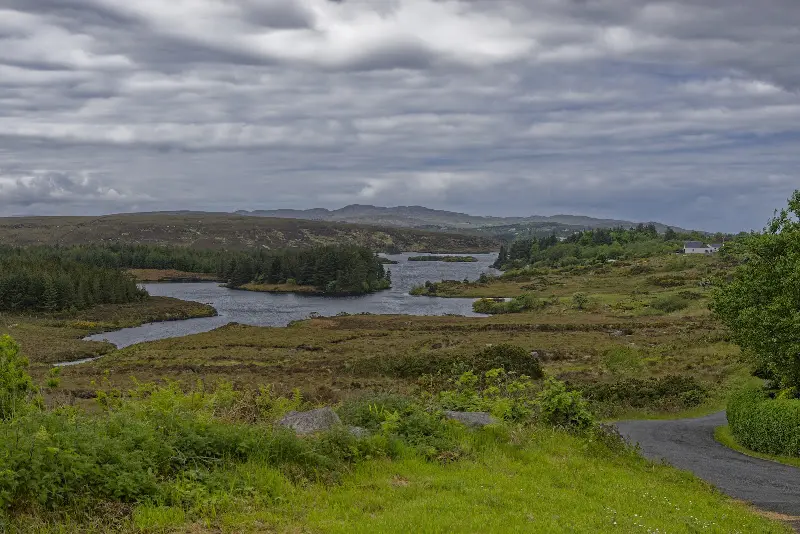
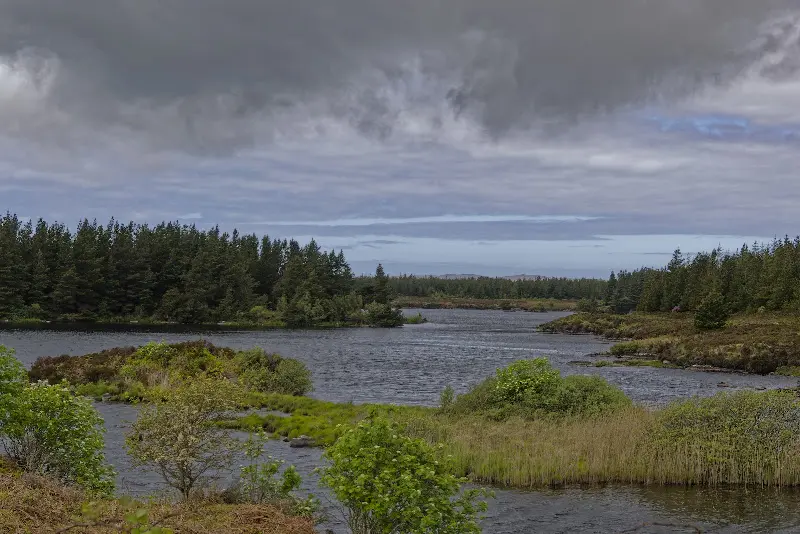
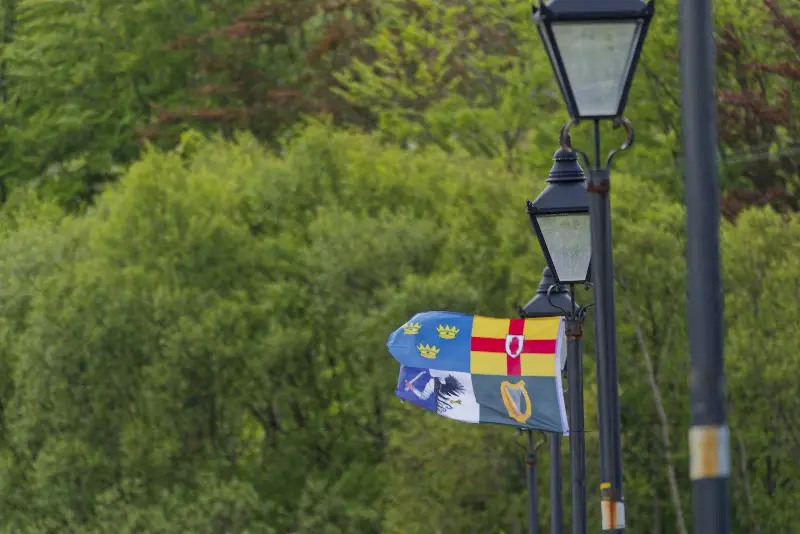
The wider county of Donegal is one of Ireland’s most scenic and distinctive regions. It is shaped by mountains, bogland, Atlantic cliffs, long beaches, scattered settlements and roads that often feel remote from the rest of the island. Although politically part of the Republic of Ireland, Donegal is geographically tied closely to the north-west and borders Northern Ireland more than it connects to the rest of the Republic. This position has helped preserve a strong regional character.
Donegal is also known for its Irish-speaking Gaeltacht areas, traditional music, fishing communities and a sense of open space and exposure to the Atlantic weather. For a cyclist it can mean steep roads, sudden rain, wide views and long stretches with few towns — but also some of the most memorable landscapes in Ireland. Glenveagh, Errigal and the surrounding mountains give a strong first impression of that rugged Donegal character.
Thu May 21 - from Mountains to Rainy Sligo
Visited William Butler Yeats today. One quote I remember was: “Life is a long preparation for something that never happens.” It was wet in the morning, with rain in Donegal for an early lunch and a general refill at Aldi. Then some light rain during the last hour to Sligo, and from there on it started to pour. At about 6 p.m. the rain stopped for a while, but my tent was already set up.
Killybegs
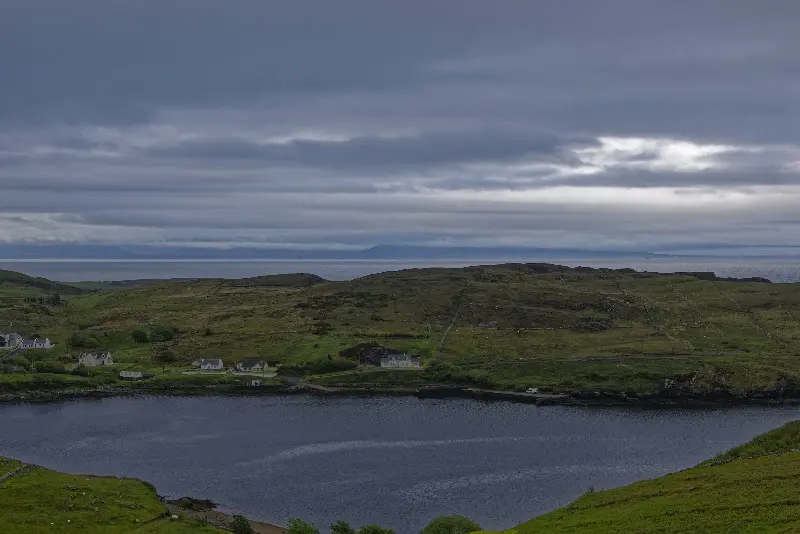
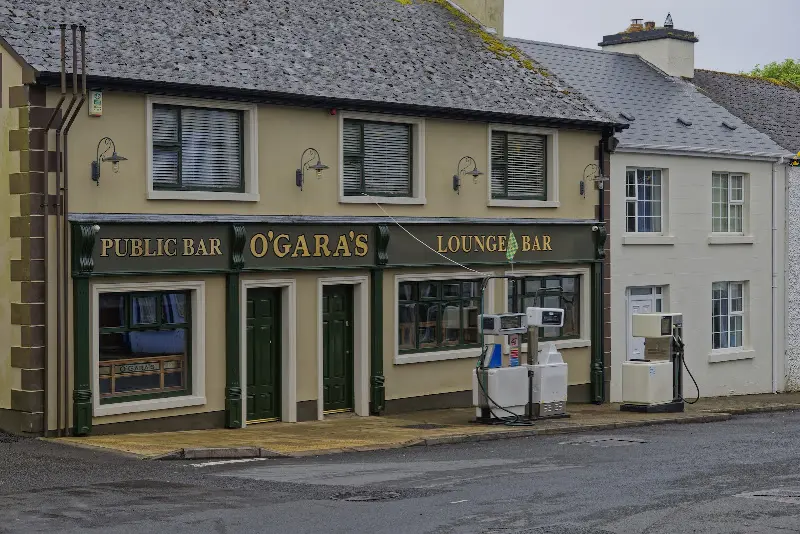
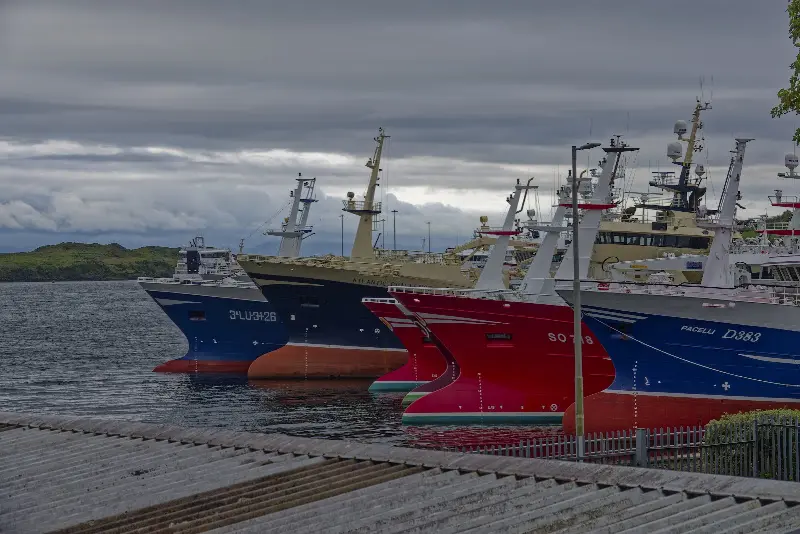
Killybegs, or Na Cealla Beaga in Irish, is a harbour town on the south coast of County Donegal, near the head of Donegal Bay. Its Irish name means “the little cells,” probably referring to early monastic settlements in the area. Although the town itself is small, with a population of just over 1,200, it has an importance far beyond its size: Killybegs is the largest fishing port in Ireland. The harbour lies in a sheltered natural deep-water inlet, with mountains rising inland behind the town and the open waters of Donegal Bay beyond.
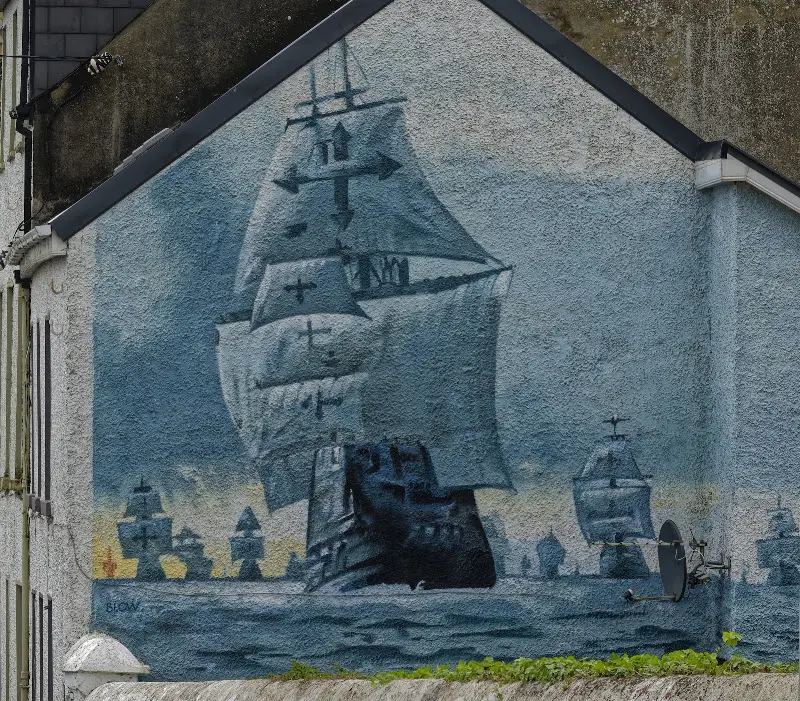
The port is especially associated with Ireland’s pelagic fishing industry, handling species such as mackerel, herring, scad and blue whiting, which are processed, frozen and exported to markets in Europe, Africa and the Middle East. Its deep-water facilities also allow Killybegs to receive large trawlers, cargo vessels and cruise ships, and in recent years the harbour has also been used for the import of wind turbine components and as a service port for offshore energy work. Historically, the area has much older traces too, including Neolithic court cairns, and in 1588 the Spanish Armada ship La Girona stopped in Killybegs for repairs before later being wrecked off the Antrim coast. Today the harbour, fishing boats and processing industry remain the defining image of the town.
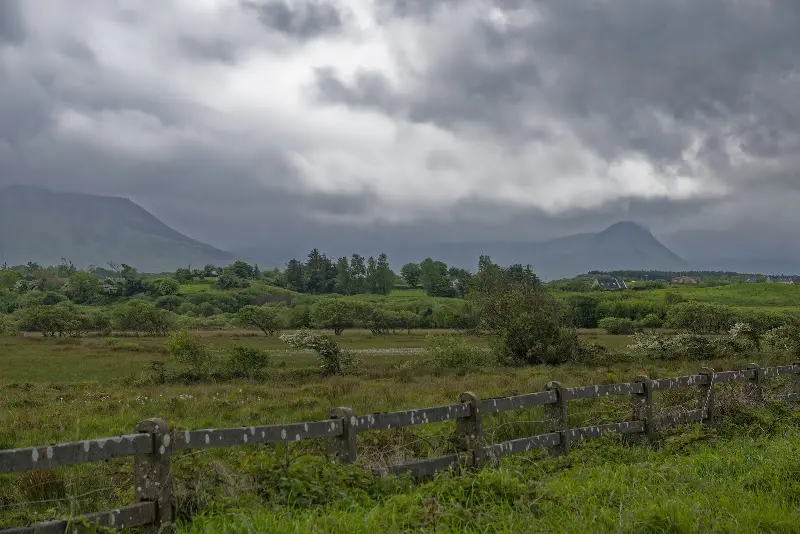
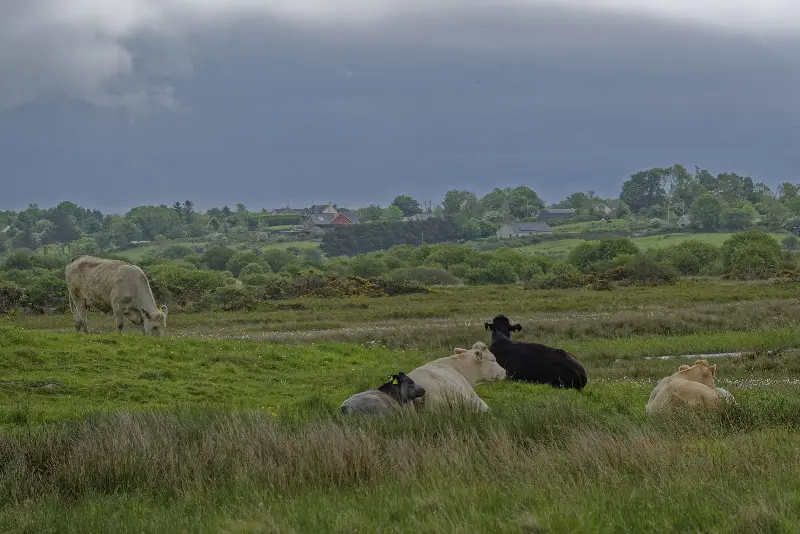
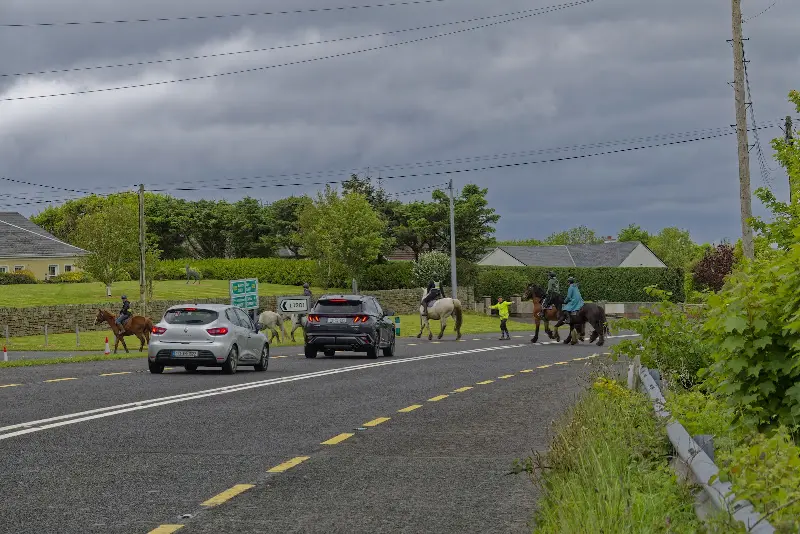
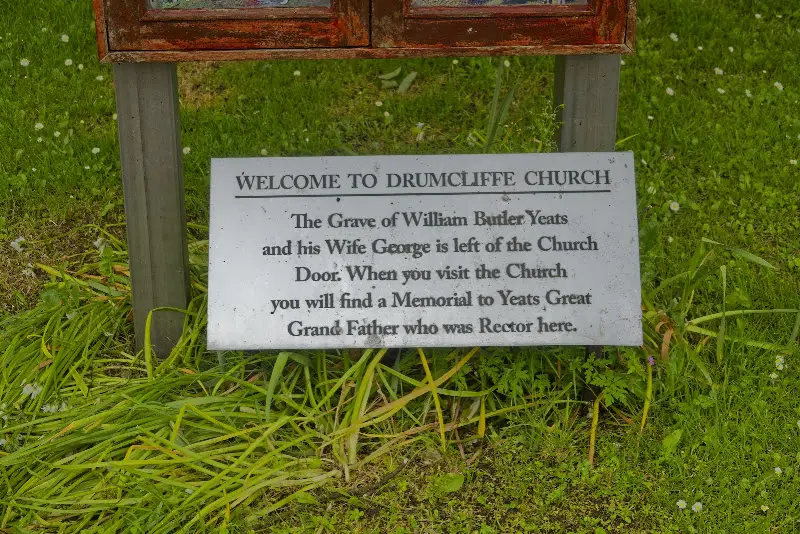
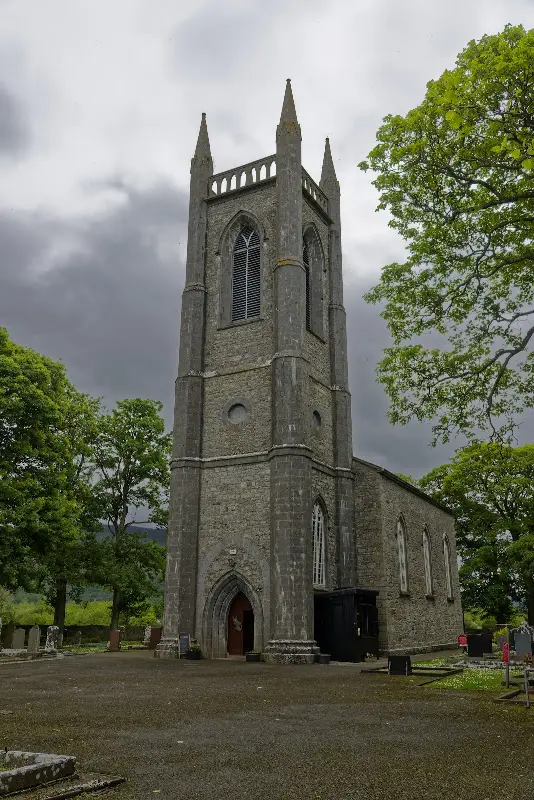
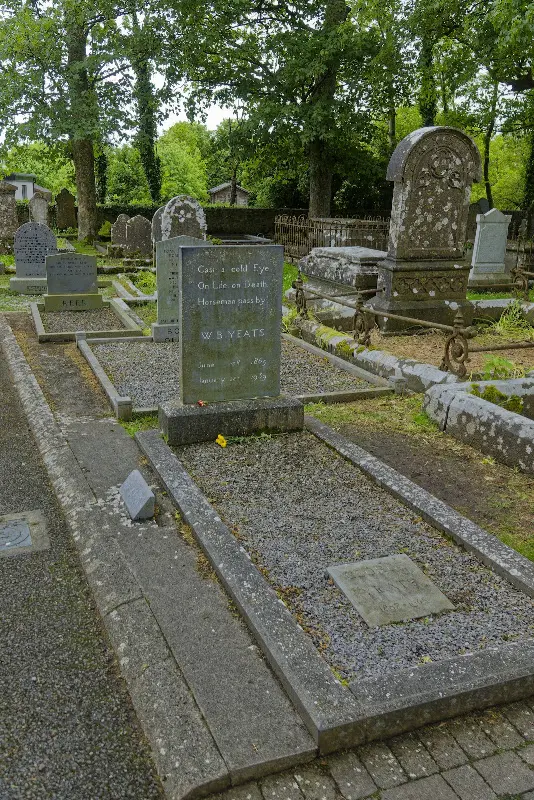
William Butler Yeats and Drumcliff
William Butler Yeats is one of Ireland’s greatest poets and one of the central figures of the Irish Literary Revival. He was born in Dublin in 1865, but Sligo and its surrounding landscape played a lifelong role in his imagination. As a child he spent time with his mother’s family in the area, and places such as Ben Bulben, Lough Gill, Innisfree and the wider Sligo countryside appear again and again in his poetry. Yeats combined Irish mythology, folklore, politics, mysticism and personal memory into a body of work that made him one of the defining literary voices of modern Ireland. In 1923 he was awarded the Nobel Prize in Literature.
His grave is at Drumcliff churchyard, north of Sligo town, under the distinctive outline of Ben Bulben. Yeats died in France in 1939, but after the Second World War his remains were brought back to Ireland and reburied at Drumcliff in 1948. The inscription on his gravestone comes from his late poem “Under Ben Bulben”:
The line gives the grave an unusually stark and unsentimental character, very different from a conventional memorial. Nearby, the mountain and the churchyard make the place feel closely tied to the landscape that shaped so much of his writing.
Some of Yeats’s most famous lines are connected with the search for beauty, order and meaning in a changing world. From “The Lake Isle of Innisfree”, inspired by an island in Lough Gill near Sligo, comes the longing for quietness:
Before turning to “The Second Coming”, it is worth noting that the poem is built around Yeats’s idea of historical cycles, or “gyres.” The first stanza describes a present world falling apart, where order, authority and moral certainty are breaking down. The second stanza turns towards what might come next: not renewal in a gentle sense, but the birth of a harsher, more violent age. For Yeats, one civilisation’s collapse could be the
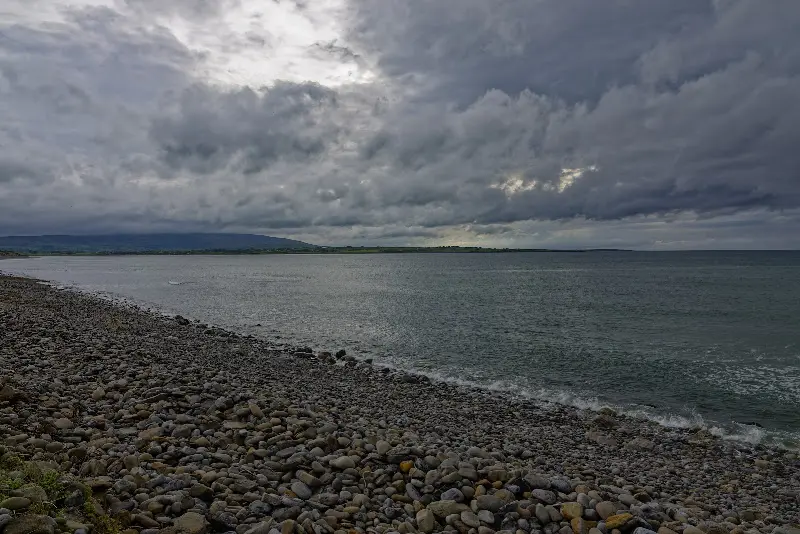
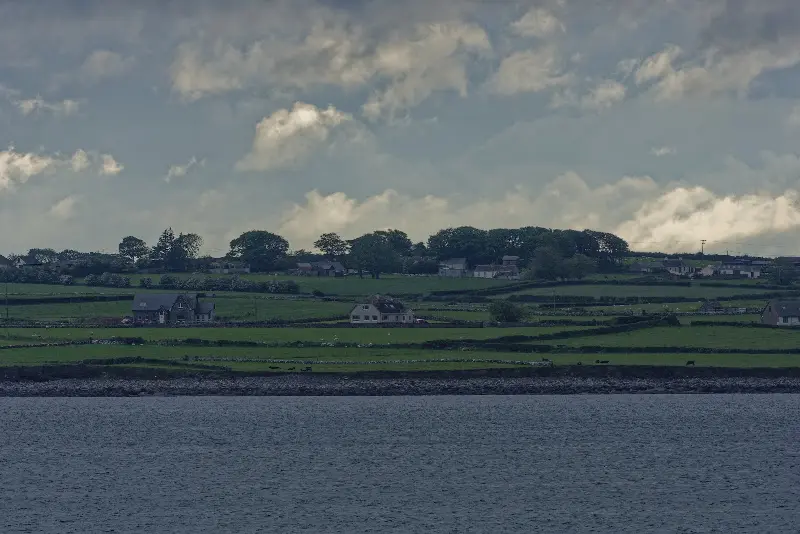
Sligo
Sligo is the main town of County Sligo in the north-west of Ireland, situated on the Garavogue River between Lough Gill and Sligo Bay. Its Irish name, Sligeach, is often interpreted as “abounding in shells,” a reference to the shellfish-rich waters of the area. The town is surrounded by some of Ireland’s most distinctive landscapes: Ben Bulben to the north, Knocknarea to the west, the Dartry Mountains nearby, and the Atlantic coast with beaches such as Strandhill and Rosses Point within easy reach.
The area around Sligo has a very long history of settlement. County Sligo is especially rich in prehistoric monuments, including passage tombs, cairns and megalithic cemeteries. Carrowmore, near the town, is one of the largest and oldest megalithic cemetery complexes in Ireland, with monuments dating back thousands of years. Later, in the medieval period, Sligo developed as an important regional centre. Sligo Abbey, a Dominican friary founded in the 13th century, remains one of the town’s main historic monuments, despite damage and rebuilding over the centuries.
Sligo is strongly associated with William Butler Yeats, whose poetry drew deeply on the landscapes, folklore and place names of the region. Although Yeats was born in Dublin, he spent much time in the Sligo area during his childhood and returned to it imaginatively throughout his life. Places such as Lough Gill, the Lake Isle of Innisfree, Ben Bulben and Drumcliff became part of his poetic world. His grave at Drumcliff, just north of Sligo town, has made the area a place of literary pilgrimage.
Today Sligo is both a regional service town and a cultural centre for the north-west. It has a lively music and arts scene, with traditional Irish music playing an important role, and it serves as a gateway to the Wild Atlantic Way. Visitors come for the combination of archaeology, literature, mountains, beaches and surf. For a cyclist, Sligo marks a useful transition point between the rugged landscapes of Donegal and the western routes towards Mayo, Connemara and Galway.
Fri May 22 - from Rainy Sligo to Westport
Early on the bike, at about 6:15 a.m., to use a window without rain. About five other cyclists stayed at the campsite last night. A kitchen was open until 9 p.m., so I did not use my camping stove. A few drops of rain before lunch, then cloudy until Westport. One hour after my tent was up, the rain started again.
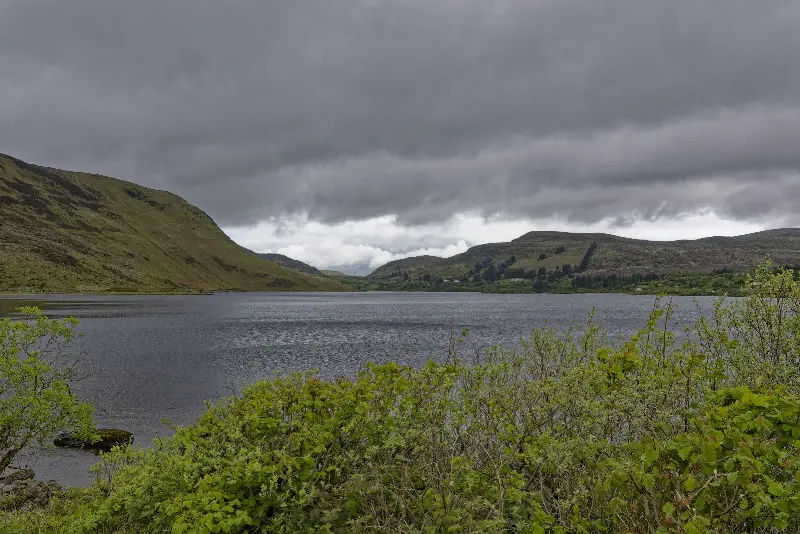
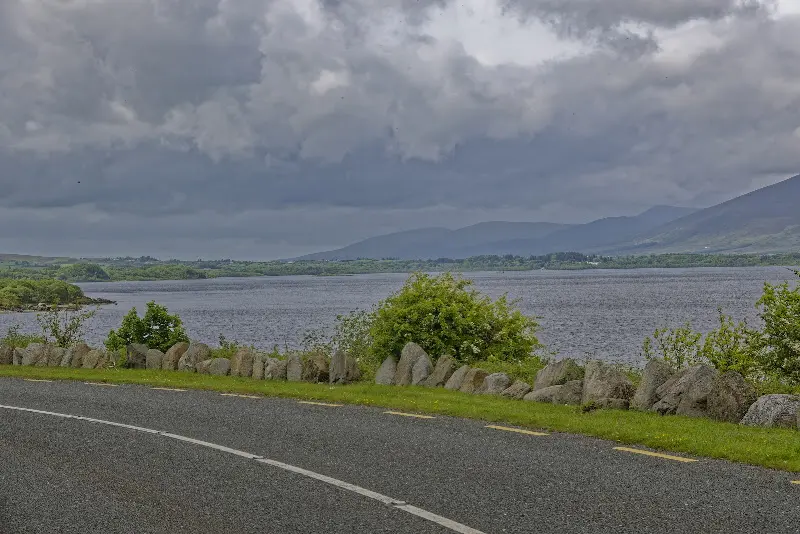
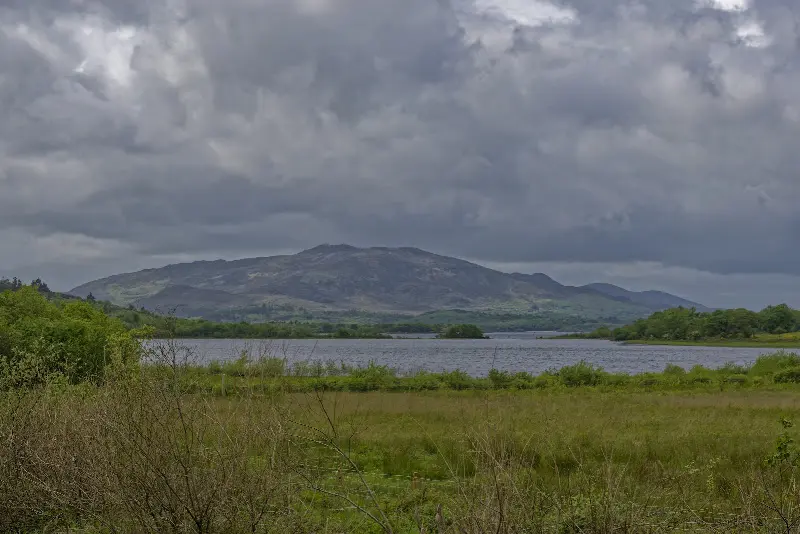
Sat May 23 - from Westport to Road Races
Slow start this morning. I got up at 6:30 instead of 5:30. I even had a real breakfast in a café to celebrate the weekend: a pot of tea and a bacon-and-egg sandwich with really good bread. I took a scenic detour, and it was worth it. When I hit the main road to Clifden, I was not the only cyclist: the Tour de Conamara was on, and everyone with a bike seemed to be taking part. At first I stopped a few times to take pictures left and right, but then I went with the flow and cycled to Clifden with them. Just 97 km today. The race offered 80 km and 140 km routes, but I had my luggage on the hills…
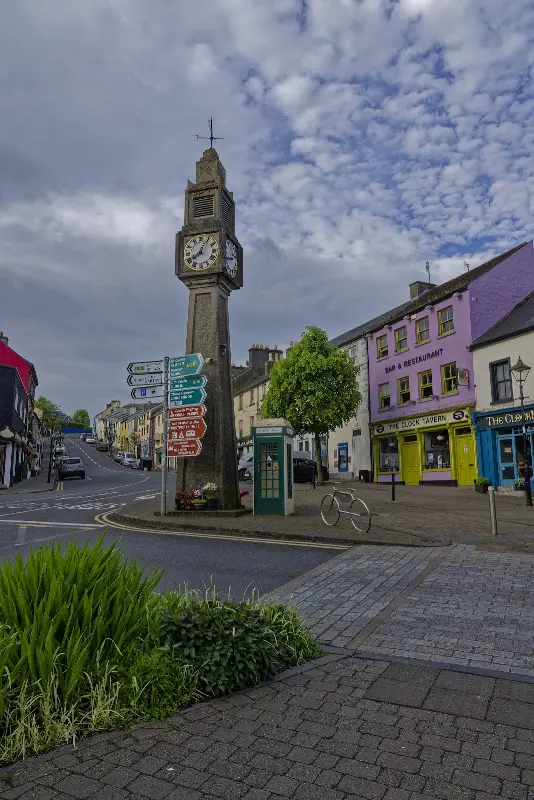
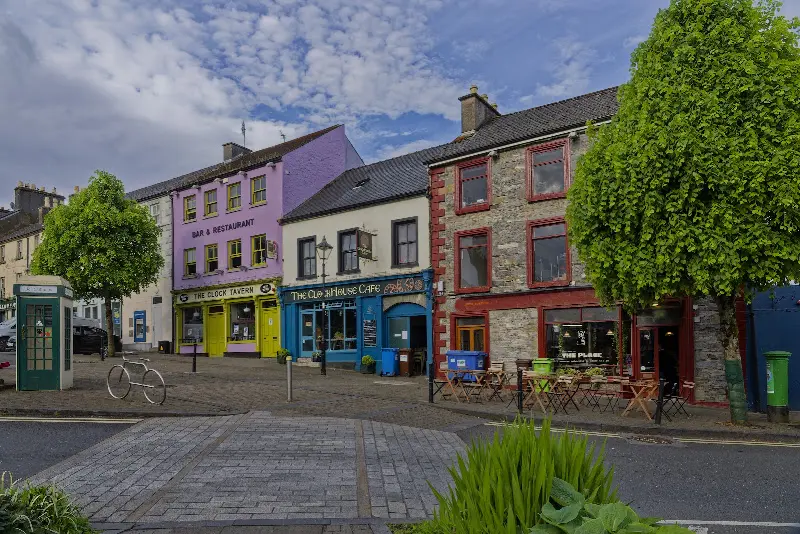
Westport
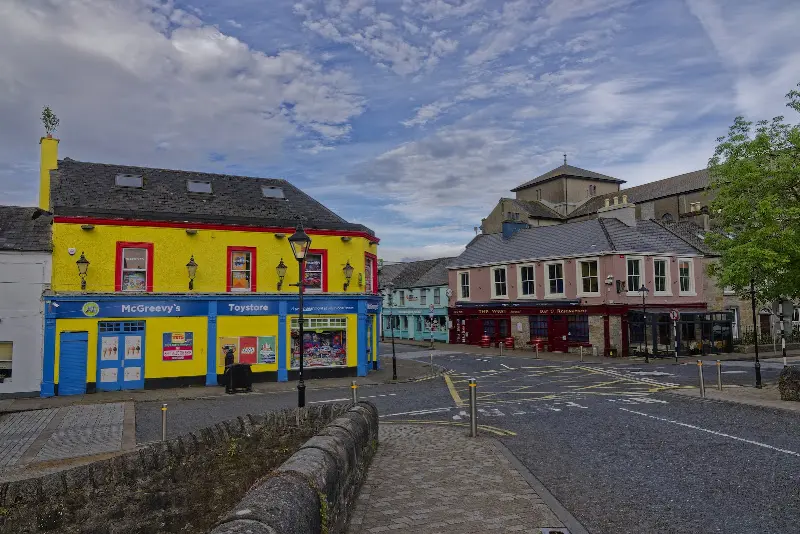
Westport is a planned Georgian town in County Mayo, situated near the south-east corner of Clew Bay on Ireland’s west coast. The town was laid out in the 18th century for the Browne family of Westport House, replacing an earlier settlement called Cathair na Mart. Its design is unusual in Ireland: a formal town plan with tree-lined streets, a central mall along the Carrowbeg River, bridges, squares and carefully arranged vistas. This gives Westport a more ordered and elegant appearance than many older Irish towns that grew more organically.
Westport House, on the edge of the town, is one of the best-known historic houses in the west of Ireland. It was built for the Browne family, who were connected by marriage to Grace O’Malley, the famous 16th-century pirate queen of Connacht. The house stands in parkland leading towards the harbour and Clew Bay, and the estate shaped much of the later development of the town. The nearby Quay area reflects Westport’s maritime side, once important for trade and transport, and now a quieter harbour district with pubs, walks and views towards the bay.
Today Westport is a popular base for visitors exploring County Mayo and the Wild Atlantic Way. It is known for its lively pubs, traditional music, colourful shopfronts and access to outdoor routes. The Great Western Greenway, a cycling and walking route on a former railway line, links Westport with Newport, Mulranny and Achill, making the town especially attractive for cyclists. For a rider coming down from Sligo and Donegal, Westport feels like both a practical stopping point and one of the classic west-of-Ireland towns.
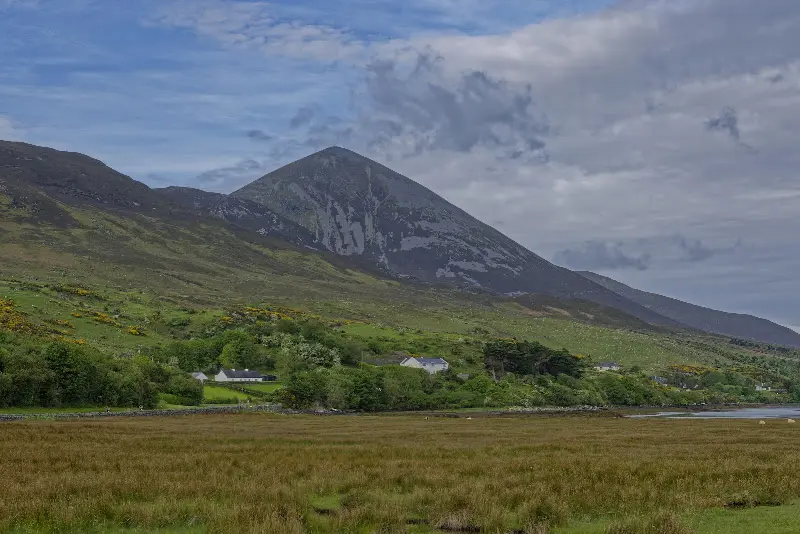
Croagh Patrick
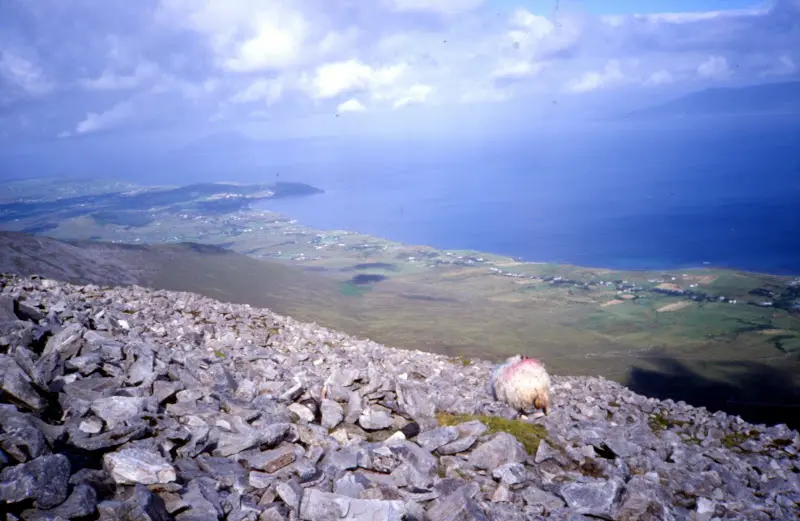
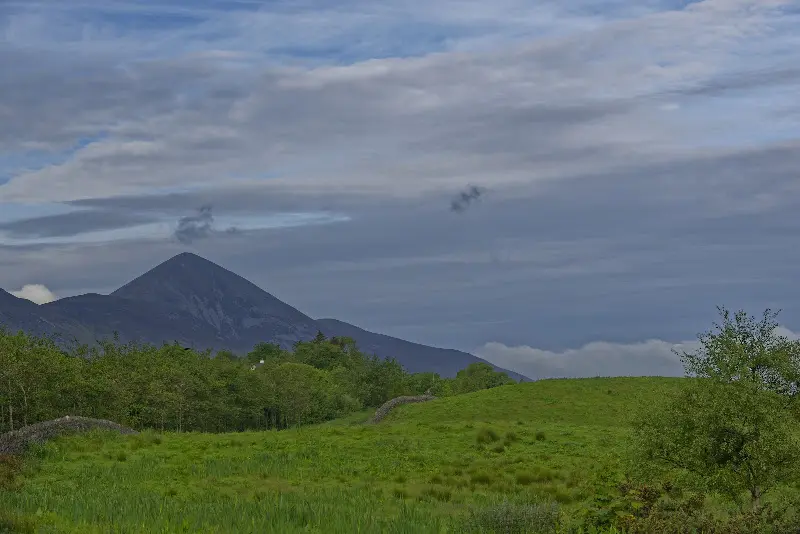
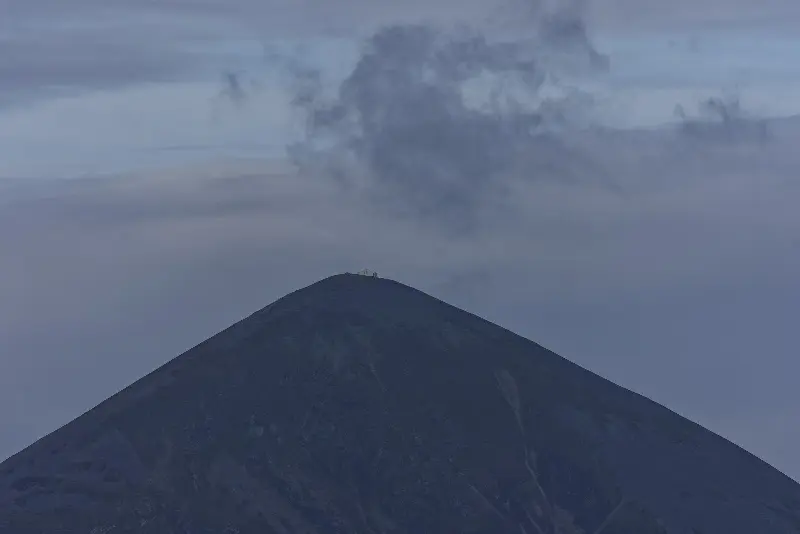
Croagh Patrick is a mountain in County Mayo, rising to 764 metres above Clew Bay near Westport. Its sharp, conical shape makes it one of the most recognizable mountains in the west of Ireland, visible from far across the surrounding coast and countryside. The mountain’s Irish name is Cruach Phádraig, meaning “Patrick’s stack” or “Patrick’s mountain,” reflecting its long association with Saint Patrick, Ireland’s patron saint.
According to tradition, Saint Patrick spent forty days fasting on the summit in the 5th century, following the model of biblical fasting in the wilderness. Because of this, Croagh Patrick became one of Ireland’s most important pilgrimage mountains. The main annual pilgrimage takes place on Reek Sunday, the last Sunday in July, when thousands of people climb to the small chapel on the summit. In earlier times many pilgrims climbed barefoot, and some still do, though the steep and loose upper slopes make the ascent demanding.
The mountain’s religious importance may be older than Christianity. Archaeological evidence suggests that Croagh Patrick was already significant in prehistoric times, possibly as a ritual or seasonal site. Its prominent position above Clew Bay and its commanding views would have made it a natural landmark long before the arrival of Christian tradition. This layering of pagan, early Christian and modern pilgrimage history is part of what gives the mountain its special place in Irish culture.
For visitors and cyclists passing through the area, Croagh Patrick is also a striking geographical marker. From its slopes there are wide views over Clew Bay, with its scattered drumlin islands, towards Achill, the Nephin range and the Atlantic. Even when not climbed, the mountain dominates the landscape west of Westport and gives the route a clear sense of entering one of the classic regions of the Wild Atlantic Way.
Doo Lough Valley
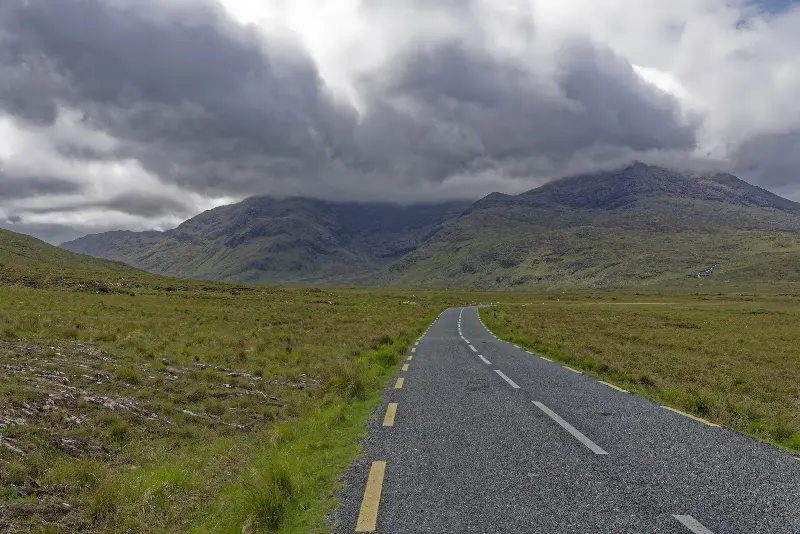
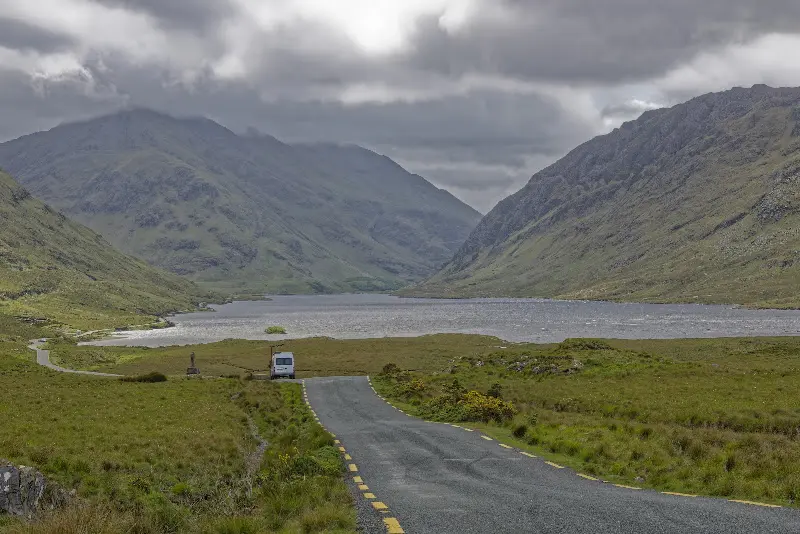
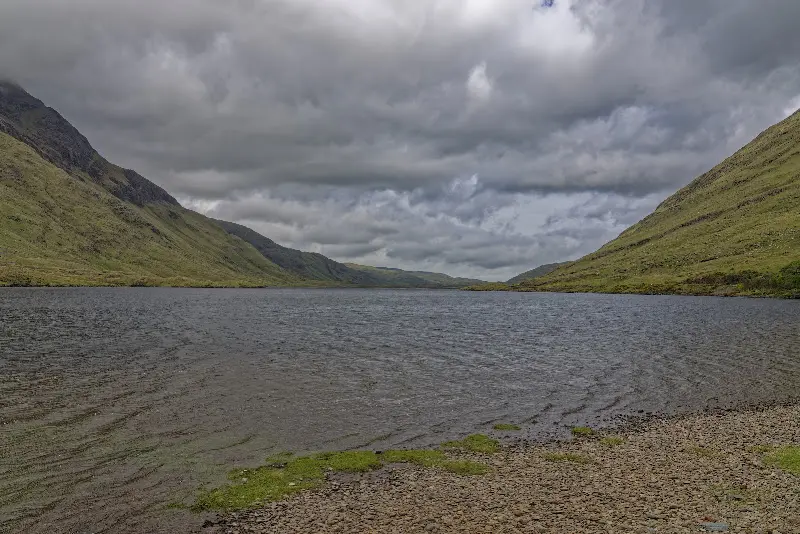
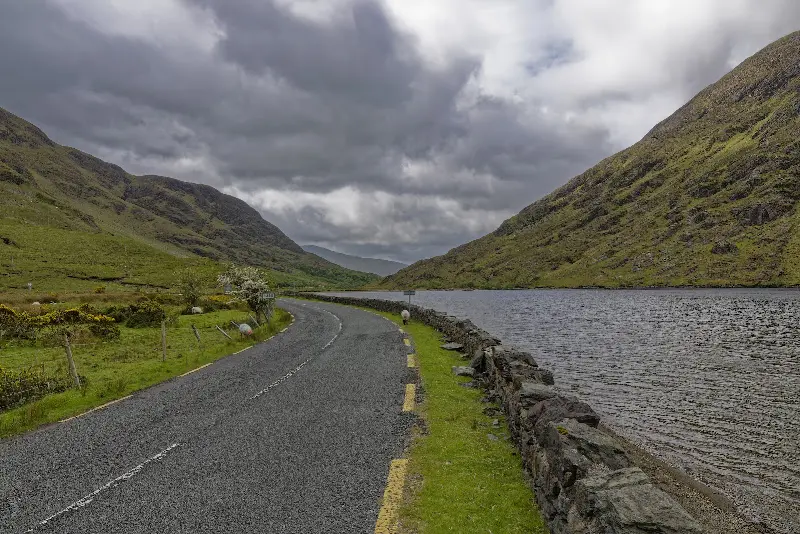
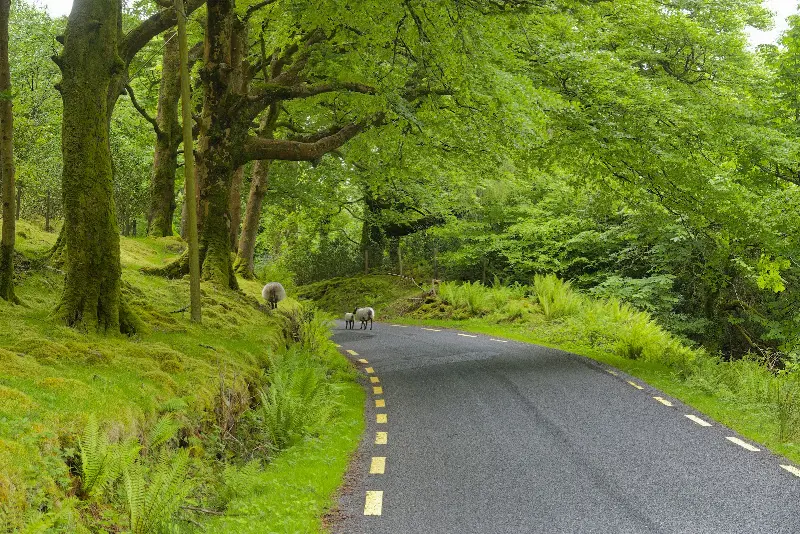
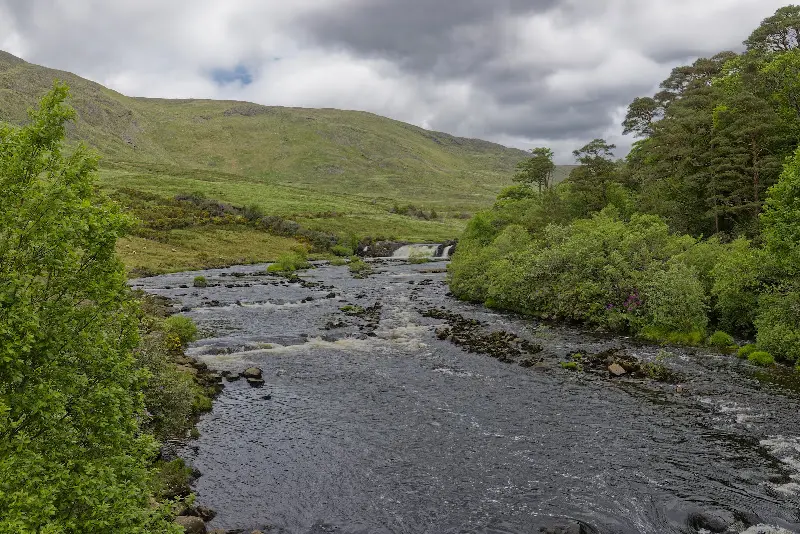
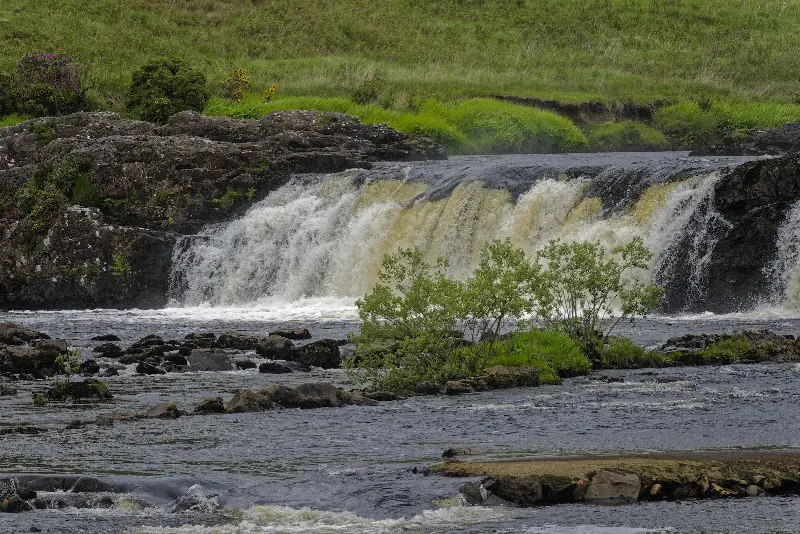
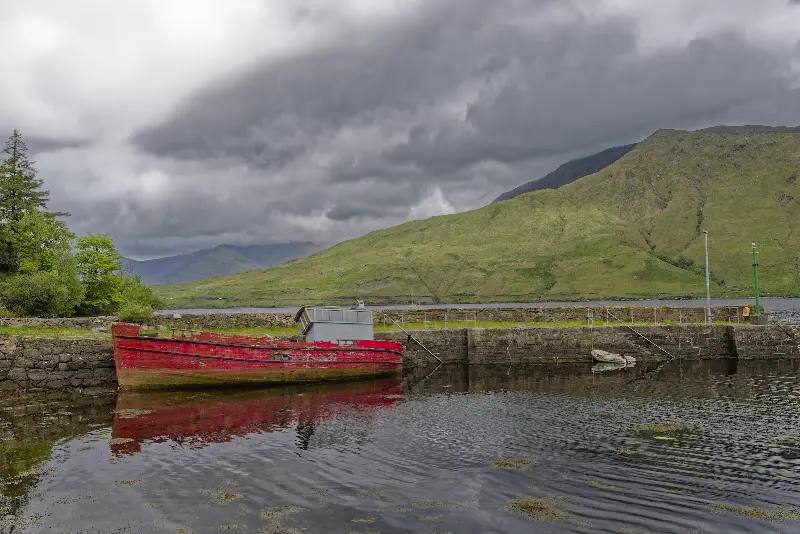
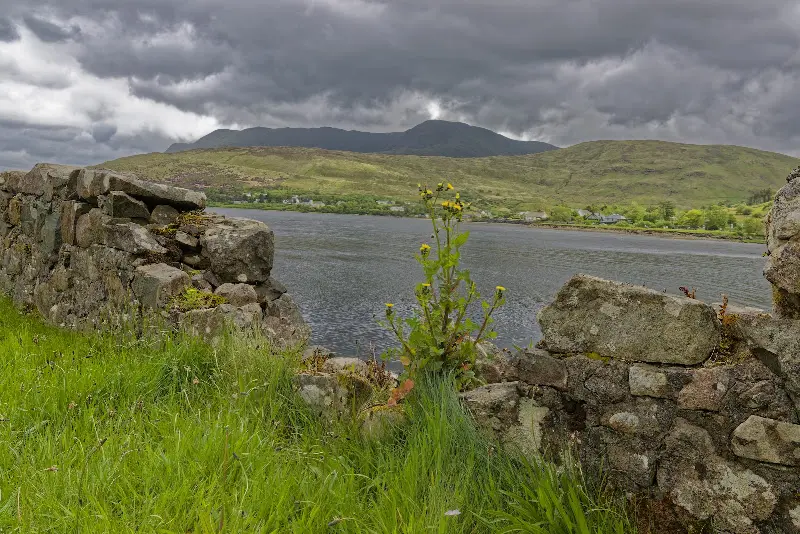
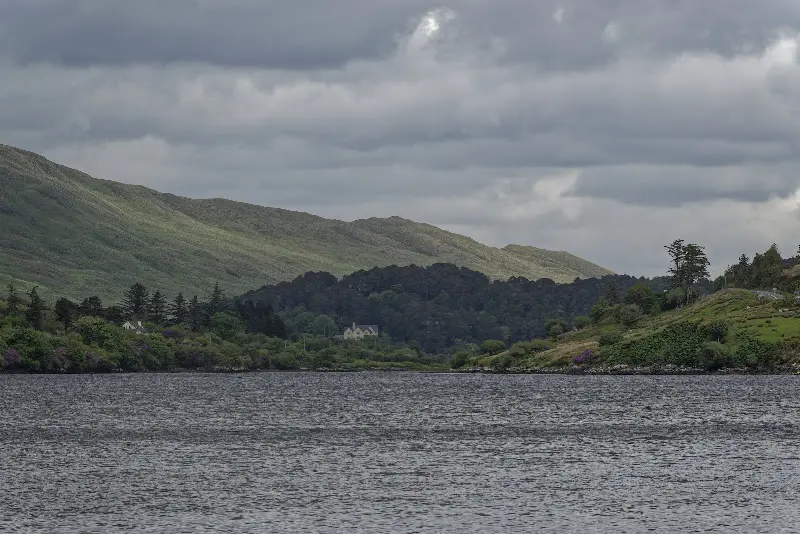
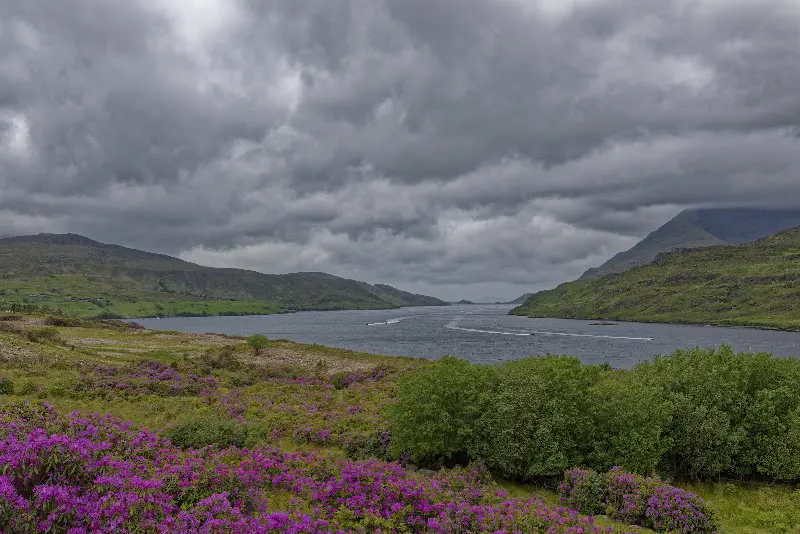
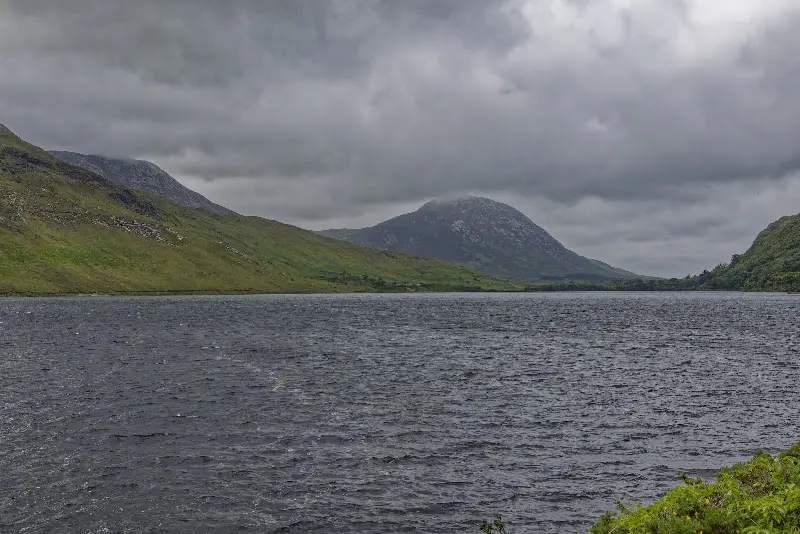
Doo Lough Valley is one of the most dramatic landscapes in County Mayo, lying between Louisburgh to the north and Leenane to the south, close to the border with Connemara. The valley takes its name from Doo Lough, from the Irish Dúloch, meaning “black lake.” The dark surface of the lake lies beneath the steep slopes of the Mweelrea Mountains to the west and the Sheeffry Hills to the east, giving the place a severe and almost solemn beauty. Although it is close to well-known areas such as Clew Bay and Connemara, the valley itself often feels quiet, remote and exposed.
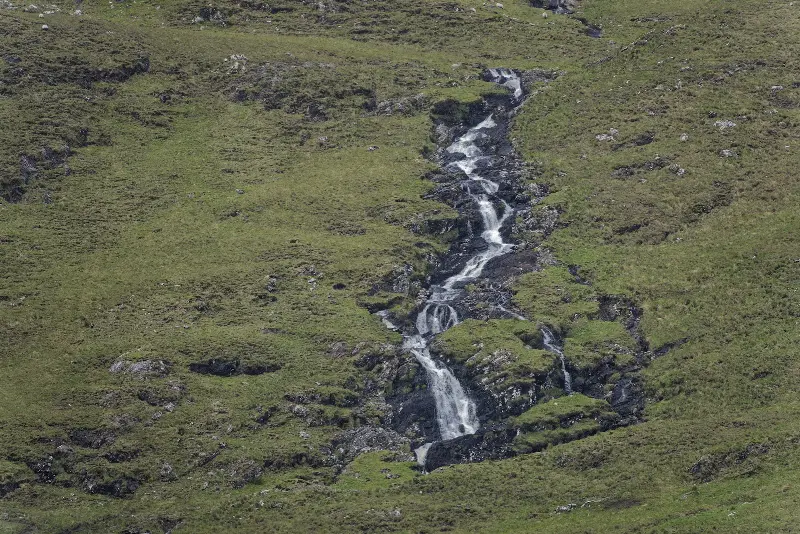
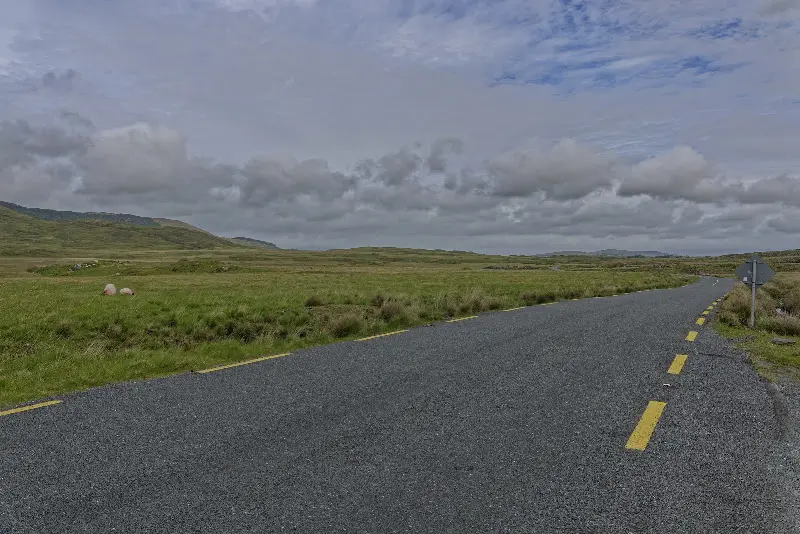
The narrow R335 road runs through the valley and is part of the Wild Atlantic Way. Even without leaving the road, the scenery is striking: dark lakes, rough mountain slopes, open bogland and a sense of great emptiness. In clear weather the landscape can be magnificent; in rain or low cloud it becomes much more austere. Doo Lough and the smaller Glenullin Lough reflect the surrounding hills, adding to the valley’s stark atmosphere. It is a place where the western Irish landscape feels less gentle and green, and more raw, lonely and elemental.
Doo Lough Valley is also remembered for one of the tragic episodes of the Great Famine. In March 1849, during a period of severe hunger and poverty in Mayo, hundreds of destitute people from the Louisburgh area were required to present themselves for inspection in order to continue receiving poor relief. After first gathering in Louisburgh, they were told that the inspection would instead take place the next morning at Delphi Lodge, many kilometres away through the valley. Weak from hunger, poorly clothed and in bad weather, men, women and children walked through the night in the hope of keeping the small support on which their survival depended.
When they reached Delphi Lodge, they were reportedly refused assistance and sent back without food. Several people died in the valley; contemporary reports gave a number of around twenty deaths, though local memory often suggests the true toll may have been higher. Today a simple stone memorial cross beside Doo Lough commemorates the victims of what became known as the Doolough Tragedy. Each year a memorial walk retraces the route from Louisburgh through the valley towards Delphi, keeping alive the memory of those who suffered there. For that reason, Doo Lough is not only a beautiful place, but also one of the landscapes where Ireland’s famine history feels especially close.
Kylemore Abbey
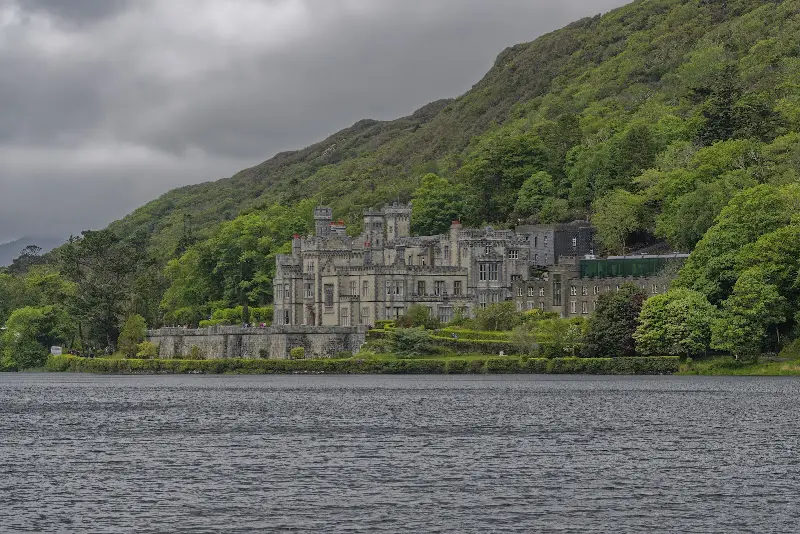
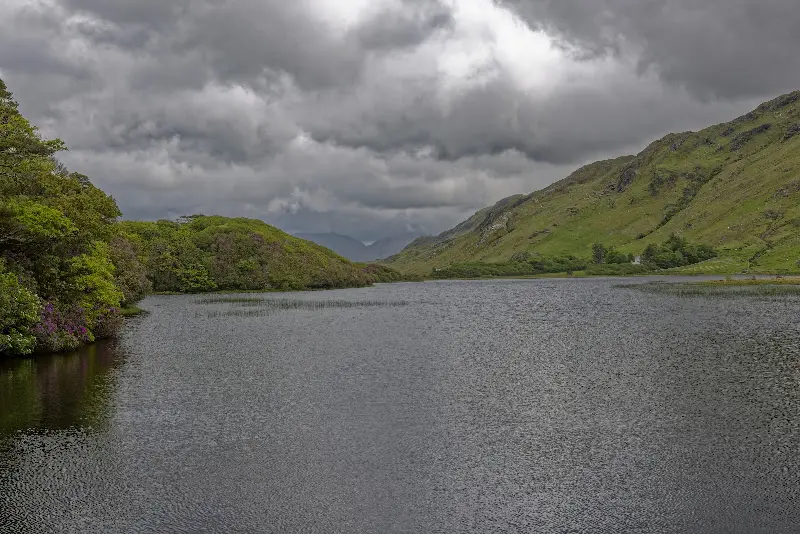
Kylemore Abbey is one of the best-known historic sites in Connemara, County Galway, set beside Pollacapall Lough with mountains rising behind it. It was originally built as Kylemore Castle in the late 19th century by Mitchell Henry, a wealthy doctor, businessman and politician, as a romantic residence for his wife Margaret. The building’s Gothic Revival style and dramatic lakeside setting made it one of the most striking private houses in the west of Ireland.
In 1920 the estate was acquired by Benedictine nuns who had fled Belgium during the First World War, and it became Kylemore Abbey. The community later ran a girls’ boarding school there for many decades. Today Kylemore is a major visitor attraction, known for the abbey building, the small neo-Gothic church, woodland and lakeside walks, and the restored Victorian Walled Garden. The combination of architecture, cultivated garden and Connemara mountain scenery gives the place its distinctive character.
Sun May 24 - from Road Races to thriving Galway
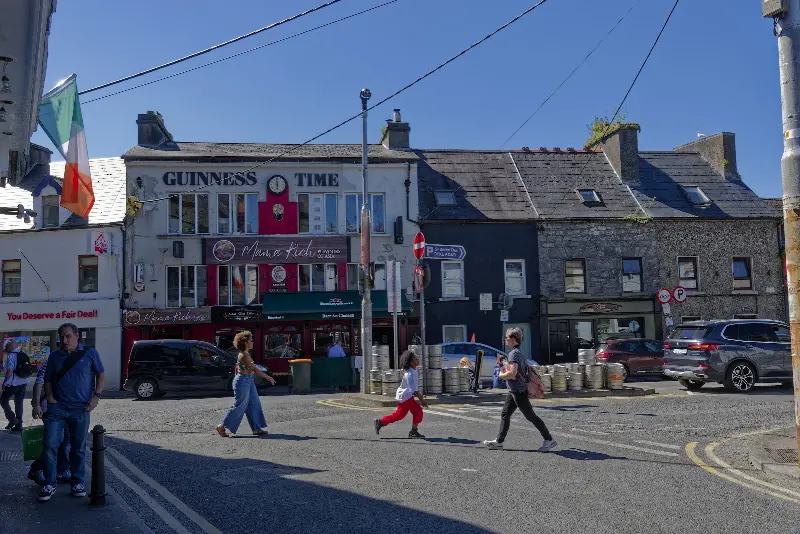
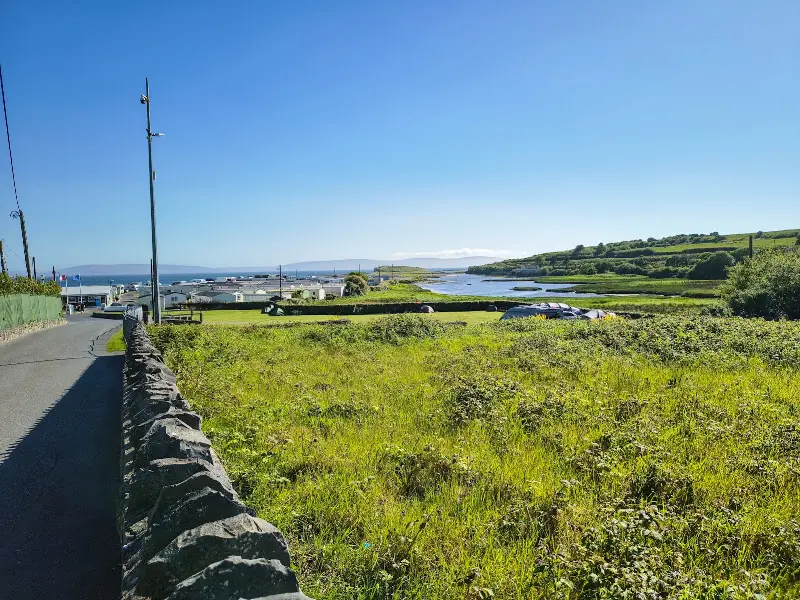
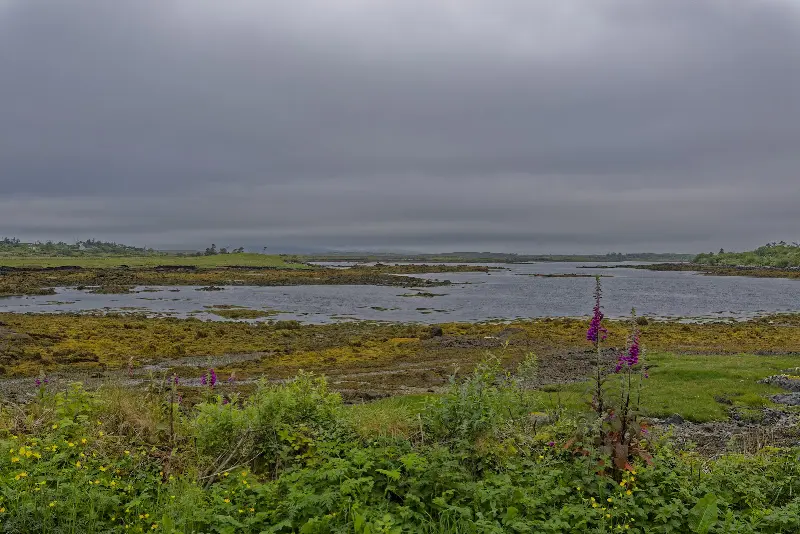
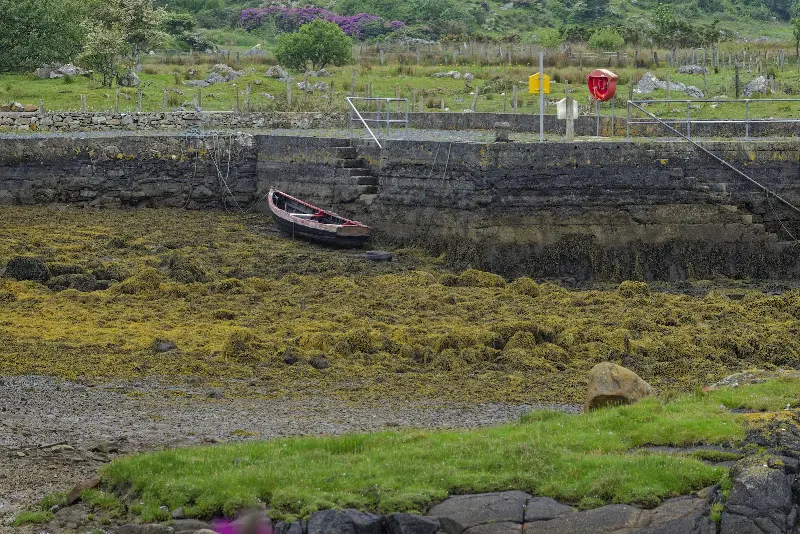
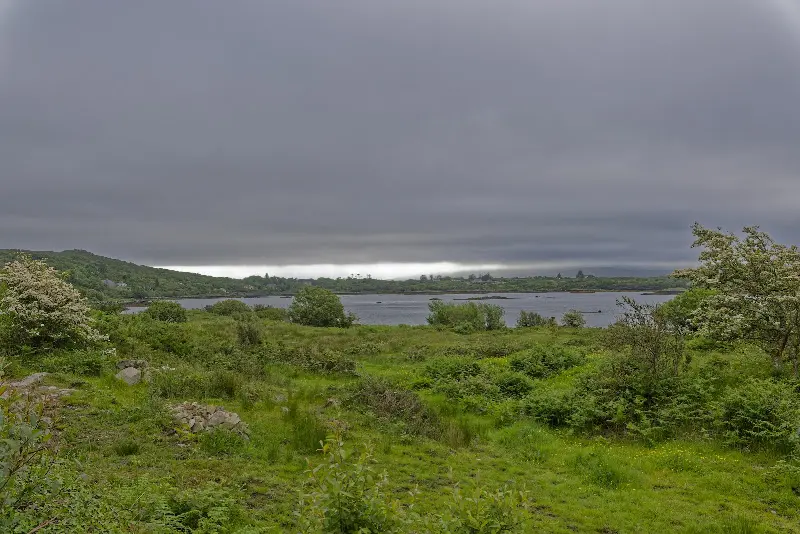
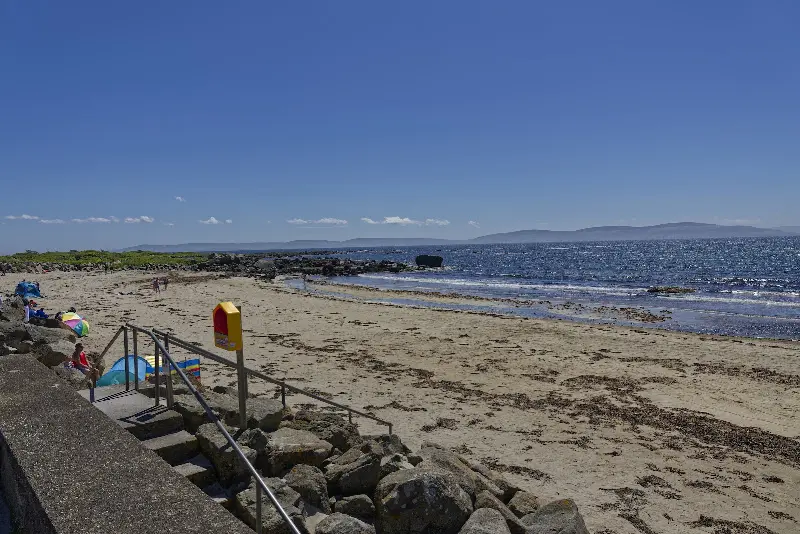
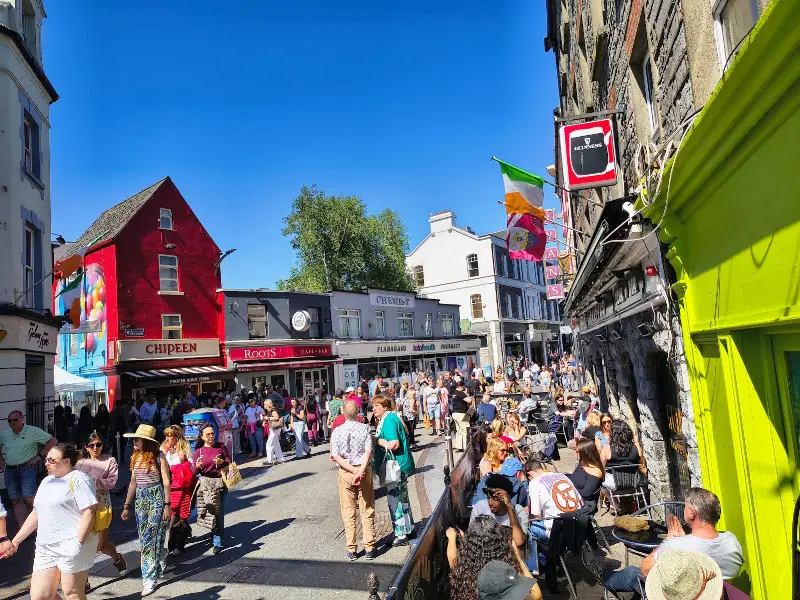
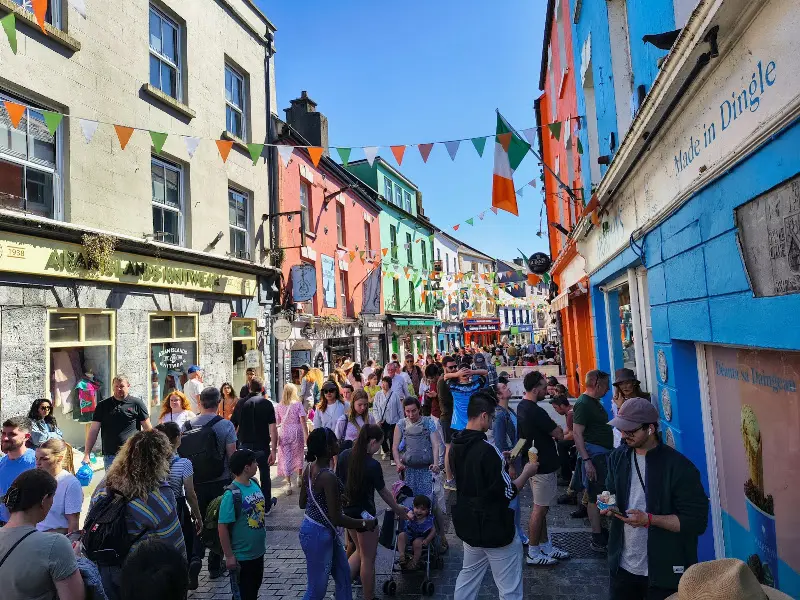
Breakfast in the campsite kitchen this morning. Until about 11 a.m. it was very cloudy and damp, but then: here comes the sun. A westerly wind pushed me, together with more and more cars, towards Galway. The campsite was a few kilometres west of the city, and I decided to take a bus into town. It seemed as if all the people of Galway had been waiting for that sun too. Everyone was out on the streets, all pubs had tables outside, and there was live music every 50 metres. Tomorrow there will be more kilometres to cover. In about three days I should reach the deep south.
Galway
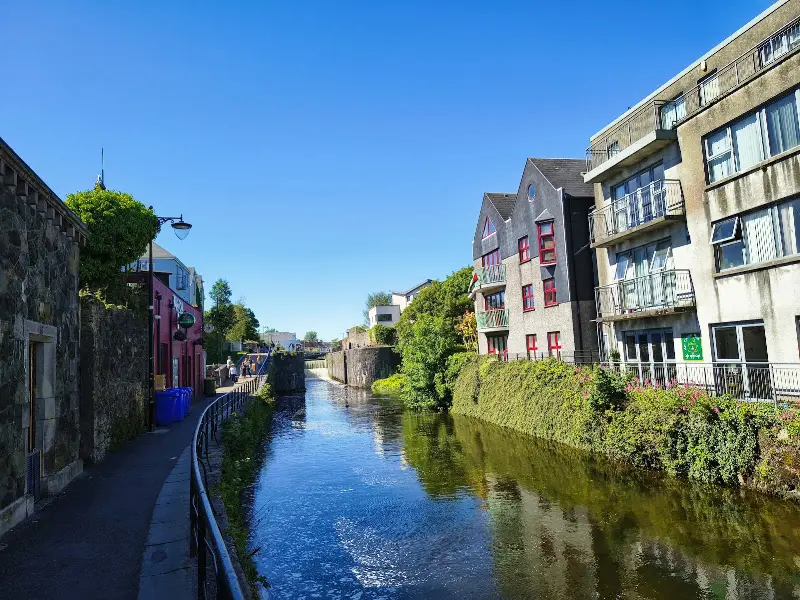
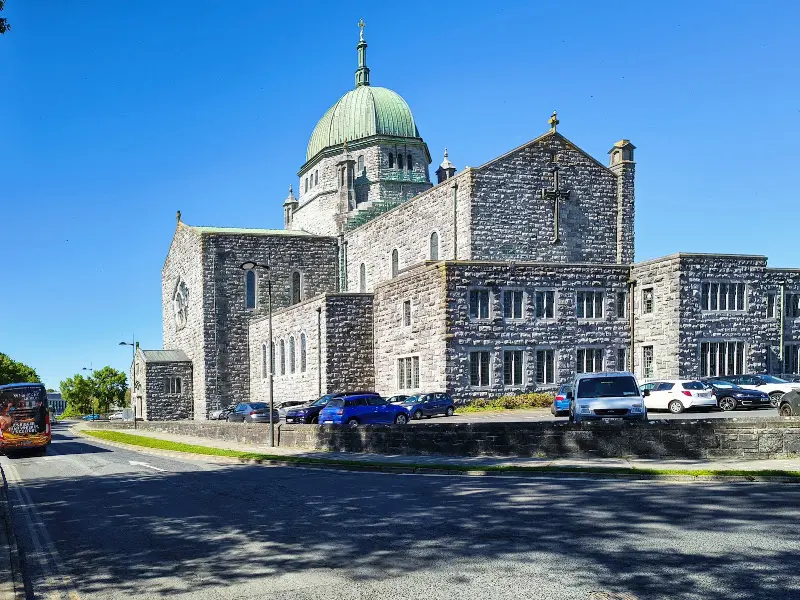
Galway is the largest city in the west of Ireland and one of the main urban centres on the Atlantic coast. It stands where the River Corrib flows from Lough Corrib into Galway Bay, giving the city a long connection with trade, fishing and the sea. Its Irish name is Gaillimh, and the city is often called the “City of the Tribes,” referring to the fourteen merchant families who dominated its political and commercial life in the later medieval period. Because of its position between Connemara, the Burren and the Aran Islands, Galway has long served as a gateway to some of the most distinctive landscapes of western Ireland.
Galway grew as a medieval trading town after the Anglo-Norman period and developed strong links with Spain, France and other Atlantic ports. Remains of the old town walls, the Spanish Arch, Lynch’s Castle and the medieval street pattern still point to this mercantile past. The city’s importance declined after the 17th century, especially after the political upheavals of the Cromwellian period and the Williamite wars, but its maritime and regional role continued. In the 19th and 20th centuries Galway expanded again, helped by education, tourism and its growing cultural reputation.
The city is especially known for its artistic and musical life. Traditional Irish music is heard in many pubs, especially around the Latin Quarter, Quay Street and the West End, while festivals give Galway much of its modern identity. Major events include the Galway International Arts Festival, the Galway Film Fleadh and the Galway Races. In 2020 Galway was a European Capital of Culture, reflecting its role as one of Ireland’s most important cultural centres. The presence of the University of Galway also gives the city a large student population and a young, lively atmosphere.
Today Galway combines historic streets, harbour life, pubs, cafés, markets and easy access to the Atlantic landscapes around it. Salthill, with its promenade along Galway Bay, lies just west of the city centre, while roads lead out towards Connemara, the Aran Islands, the Burren and the Cliffs of Moher. For a cyclist arriving from the west coast, Galway can feel suddenly busy and urban after long stretches of mountains, bogs and small settlements — but also full of music, people and life, especially when the sun comes out.